BUSINESS
The booming exotic pet trade is fueling illegal wildlife sales across online platforms. Advocates are urging stricter regulations to curb trafficking and protect endangered species.
The growing exotic pet trade drives illegal sales online and a push for tighter rules
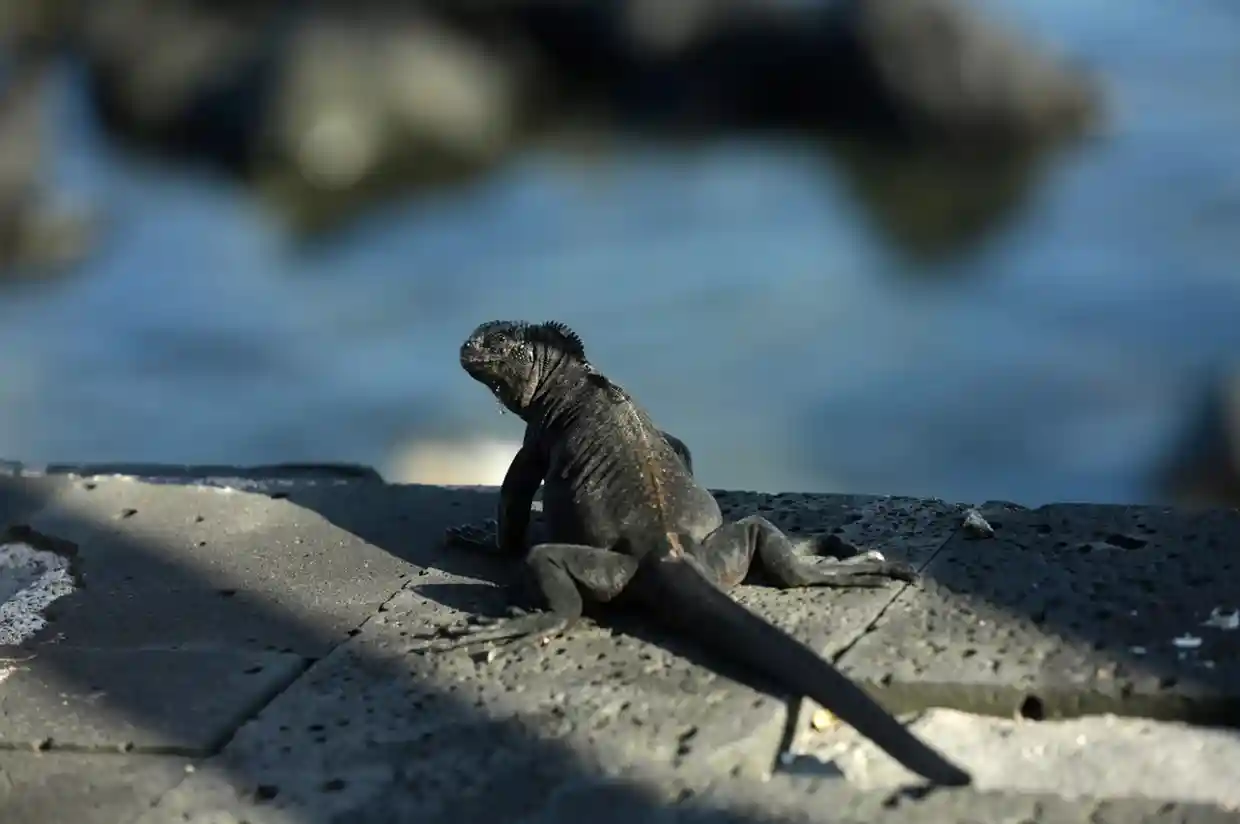
A growing exotic pet trade has conservationists calling for stronger regulations to protect the reptiles, birds and other animals in the wild that are increasingly showing up for sale on internet marketplaces and becoming popular on social media; the two-week Convention on International Trade in Endangered Species of Wild Fauna and Flora in Samarkand, Uzbekistan, will run through Friday, with several proposals related to the pet trade to be considered, including tighter regulations or complete bans on the trade of iguanas from the Galápagos Islands, more than a dozen species of Latin American tarantulas and an odd-looking turtle from Africa; “What we’re seeing is the pet trade much more looking at reptiles, amphibians. People want rare species and they don’t have to go into a pet shop,” said Susan Lieberman of the Wildlife Conservation Society, explaining that thousands of animals, including endangered and illegally obtained species, are now available online; live animals are increasingly turning up on the internet, said Matt Collis of the International Fund for Animal Welfare, warning that the growth of online marketplaces connects consumers directly to wildlife traffickers, while social media influencers are contributing by making exotic pet ownership appear trendy; many of the species proposed for protection are in Latin America, where an IFAW report found illegal trade is rising, with more than 100,000 animals seized or poached from 2017 to 2022, reptiles making up about 60%, birds nearly 30% and amphibians over 10%, and many live animals destined for Europe, Asia and the U.S.; among reptile species up for tighter trade controls are Home’s Hinged-back Tortoise, two Ethiopian vipers, two rattlesnake species from Mexico, Australia’s leaf-tailed gecko and two South American sloth species increasingly seen in sloth-themed cafes in Asia, with bans approved Tuesday for the vipers and tortoise but the rattlesnake proposal rejected; a Wednesday proposal from Ecuador seeks to ban trade in Galápagos marine and land iguanas, which are deemed critically endangered or vulnerable and face illegal capture for black-market sales up to $25,000 each, mostly to Japan and other Asian countries; the U.S.
supports protections for iguanas, sloths, vipers, tortoises and geckos but opposes the rattlesnake listing; Collis notes that traders circumvent bans by abusing CITES permits and falsely claiming animals are captive bred, with many countries not checking origins, enabling laundering of wild-caught animals; Lieberman says captive breeding, once thought to reduce pressure on wild populations, often fuels further demand and provides a laundering mechanism; a proposal to regulate more than a dozen tarantula species was rejected Tuesday, though Bolivia, Argentina and Panama argued the spiders are heavily traded and vulnerable due to slow reproduction and limited ranges; the U.S. Association of Reptile Keepers opposed the tarantula listing and argued that other proposals, including iguana restrictions, constitute overreach because captive-bred trade is limited and not threatening wild populations; however, a forthcoming report from the Center for Biological Diversity shared with the AP found the U.S.
is one of the world’s largest exotic pet markets, importing an average of 90 million live amphibians, arachnids, birds, aquarium fish, mammals and reptiles annually, concluding that wildlife exploitation for the pet trade is driving the global extinction crisis, with one million species facing potential extinction and urgent action needed to curb U.S. involvement to protect biodiversity..

More News To Explore

IMF urges China to address economic imbalances as trade surplus hits $1 trillion