BUSINESS
Donald Trump claims tariffs could eventually replace federal income taxes, but economists say that’s unrealistic. Experts note tariffs can’t generate enough revenue to fund the government.
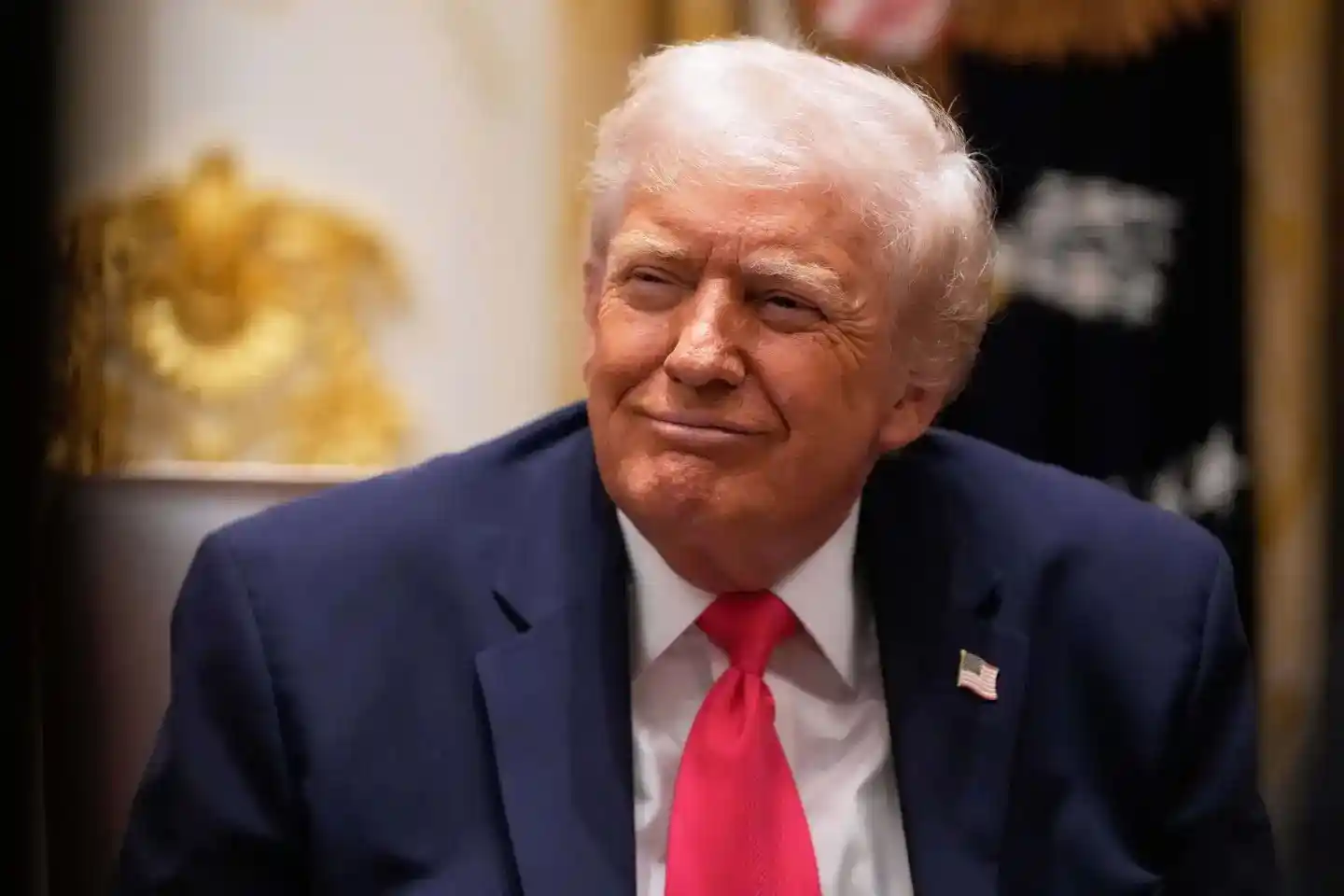
FACT FOCUS: Trump says tariffs can eventually replace federal income taxes. Experts disagree
President Donald Trump has long praised tariffs as key to increasing U.S. wealth, claiming they could eventually replace federal income taxes — most recently at a Cabinet meeting Tuesday — but this is false, as individual income taxes brought in about $2.66 trillion last fiscal year compared to just $195 billion from tariffs, with experts calling the idea mathematically and economically impossible due to the unreliability of tariff revenue, the harm tariffs inflict on economic growth and their disproportionate impact on lower earners; nevertheless, Trump repeated the claim twice in the last week, asserting that tariff revenue is “so enormous” Americans may no longer need to pay income tax, even though Treasury data show income taxes accounted for more than half of total federal revenue last year while tariffs made up only 3.7%, a gap that persists in the current fiscal year, with $217 billion coming from individual income taxes in the first month compared to about $31 billion from tariffs; Trump has also touted billions from foreign investments, though many of these figures are either disputed or not fully detailed, and eliminating federal income taxes would require an act of Congress and complete restructuring of the budget, since the modern income tax, established in 1913 with the ratification of the 16th Amendment, generates trillions more than tariffs; White House spokesman Kush Desai defended Trump’s tariffs by claiming they raise “trillions” that will ultimately be paid by foreign exporters, but in reality U.S.
importers pay tariffs and typically pass the costs to consumers through higher prices, which can still harm foreign producers by reducing demand in the American market; replacing income taxes with tariffs — a Republican talking point since the 1990s — would also risk retaliation, decreased imports and falling tariff revenue as rates rise, effectively forcing the U.S. into “a completely different world,” according to Steve Wamhoff of the Institute on Taxation and Economic Policy, and Trump’s tariffs are currently being challenged in a Supreme Court case that could strike them down, prompting companies like Costco to sue for refunds; beyond economic feasibility, replacing income taxes with tariffs would shift the tax burden onto lower-income households, worsen inequality, eliminate flexibility and incentives like charitable deductions and child credits, and, as Yale tax law professor Michael Graetz notes, reduce taxes on the wealthy at a time when the U.S.
has more millionaires and billionaires than ever, making the proposal politically potent for fundraising but profoundly inequitable..

More News To Explore

IMF urges China to address economic imbalances as trade surplus hits $1 trillion