FINANCE
After a red-hot start, the IPO market has slowed due to government shutdowns and increased investor caution. Analysts note that volatility is prompting companies to reconsider timing for public offerings.
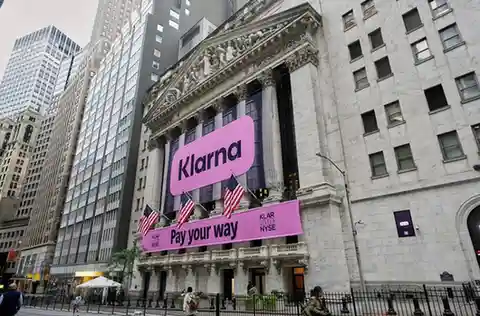
IPO market’s red-hot year has been cooled by the shutdown and more caution among investors
A strong year for initial public offerings on Wall Street has fizzled out due to the government shutdown and a cautious turn by investors. Many IPOs targeted for the end of the year will likely be pushed into next year as the Securities and Exchange Commission works through a backlog of hundreds of registration statements, while shares of recently debuted companies have struggled amid concerns that stocks have become too expensive following another double-digit market gain. “A backlogged SEC, the approaching holiday slowdown, and pressure on AI and other tech stocks are all weighing on hopes for a near-term rebound,” wrote Bill Smith, CEO of Renaissance Capital. Still, several offerings already far along in the regulatory process are expected in November and December.
Central Bancompany, the holding company for The Central Trust Bank, raised $373 million in its IPO Thursday, though November is shaping up to be one of the slowest IPO months of 2025. Medline may go public in December, potentially raising up to $5 billion, and cryptocurrency firm BitGo could also debut next month. The market’s caution has dragged down recent IPOs: Figma has lost nearly all gains since its July debut, now trading slightly above its $33 price after tripling on day one; Klarna has fallen from its $40 September pricing to about $29; CoreWeave, priced at $40 in March, soared initially but has retreated to roughly $72; and software company Navan, priced at $25 during the shutdown, now trades near $15. The S&P 500 is down 3.5% so far in November, driven largely by a pullback in tech after AI-fueled gains sparked valuation concerns, though the index remains up more than 12% for the year and the Nasdaq more than 15%.
Renaissance Capital’s IPO Index is down about 0.8% for the year and has lagged the S&P 500 since mid-October, a sign that “investors very quickly monetized, they didn’t want to take the long-term risk,” said Samuel Kerr of Mergermarket. Still, underlying demand for IPOs remains strong as investors seek cheaper entry points into an otherwise pricey market. “Increasingly, as a money manager, you have to find other places to make money and typically, IPOs are that place,” said David Kaufman of Thompson Coburn LLP, noting large funds sitting on excess cash. The market’s 2026 direction will help determine what IPOs emerge, with highly anticipated names such as Databricks, Canva, and Plaid seen as potential candidates.
Meanwhile, despite the public slowdown, companies are busy preparing behind the scenes. “It’s a busy time for lawyers and bankers trying to tee things up for the first and second quarter of next year,” Kaufman said..

More News To Explore

Rallies for Nvidia and Big Tech help Wall Street nearly erase last week’s loss