FINANCE
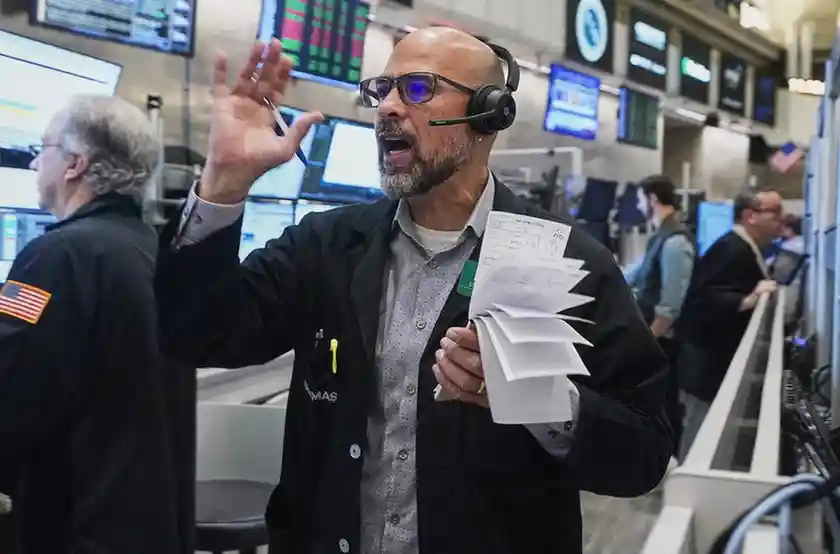
U.S. stocks fell sharply after wiping out a morning surge, highlighting persistent volatility on Wall Street. Investors continue reacting to economic data and market uncertainty.
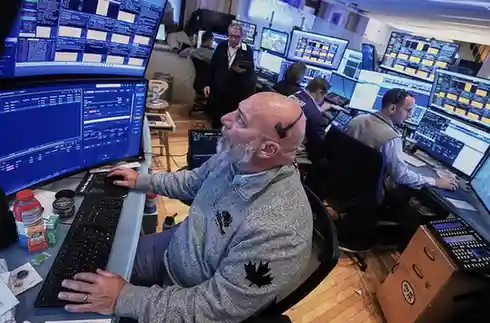
Big swings keep rocking Wall Street as US stocks drop sharply after erasing a morning surge
Jarring swings continued to batter Wall Street on Thursday as U.S. stocks erased a big morning gain and fell sharply, reflecting persistent market skittishness after weeks of doubts and volatile moves. The S&P 500, up as much as 1.9% early in the day, reversed course and fell 1.6%, while the Dow Jones Industrial Average dropped 386 points, or 0.8%, and the Nasdaq composite sank 2.2%. The steepest losses again hit former market leaders such as Nvidia, cryptocurrencies, and other high-momentum names that traders had previously chased aggressively; Bitcoin slid below $87,000 after nearing $125,000 last month.
Market weakness heading into Thursday stemmed largely from two concerns: that Nvidia and other AI-driven superstar stocks may have surged too far too fast, raising bubble fears, and that the Federal Reserve may be nearing the end of its market-boosting interest-rate cuts. Nvidia initially appeared to calm bubble worries by reporting strong summer profits and issuing a revenue forecast far above analysts’ expectations, with UBS analysts saying the AI infrastructure boom is still lifting “all boats.” Nvidia jumped 5% early but then reversed to a 3.2% loss, exerting heavy pressure on the S&P 500 due to its massive market weight. Despite Nvidia’s strength, doubts remain about whether the enormous spending on AI chips and data centers will ultimately generate the profits and economic productivity that proponents promise. A Bank of America survey showed a record number of global fund managers believe companies are “overinvesting.” Amazon swung from a 2.1% gain to a 2.5% loss, while Palantir reversed from a 5.5% jump to a 5.8% drop.
Thursday’s huge intraday swings were the biggest since April, when President Donald Trump shocked markets with his “Liberation Day” tariffs. On the interest-rate front, a mixed U.S. jobs report offered some relief: hiring was stronger than expected, but unemployment ticked up slightly, potentially giving the Fed reason to cut rates in December. Traders now see roughly a 40% chance of a December cut, up from 30% a day earlier, though cuts risk worsening inflation, which remains above the Fed’s 2% target.
Walmart was a bright spot, jumping 6.5% after reporting blowout quarterly earnings and sales as it continued attracting budget-conscious shoppers. But gains in retail were not enough to offset tech losses, and crypto-related stocks tumbled alongside Bitcoin, with Robinhood down 10.1% and Coinbase off 7.4%. The S&P 500 ended down 103.40 points at 6,538.76, the Dow fell 386.51 to 45,752.26, and the Nasdaq lost 486.18 to 22,078.05. The 10-year Treasury yield eased to 4.09% from 4.13%, while overseas markets rose broadly, including Japan’s Nikkei 225 up 2.6% and South Korea’s Kospi up 1.9%..

More News To Explore
Rallies for Nvidia and Big Tech help Wall Street nearly erase last week’s loss