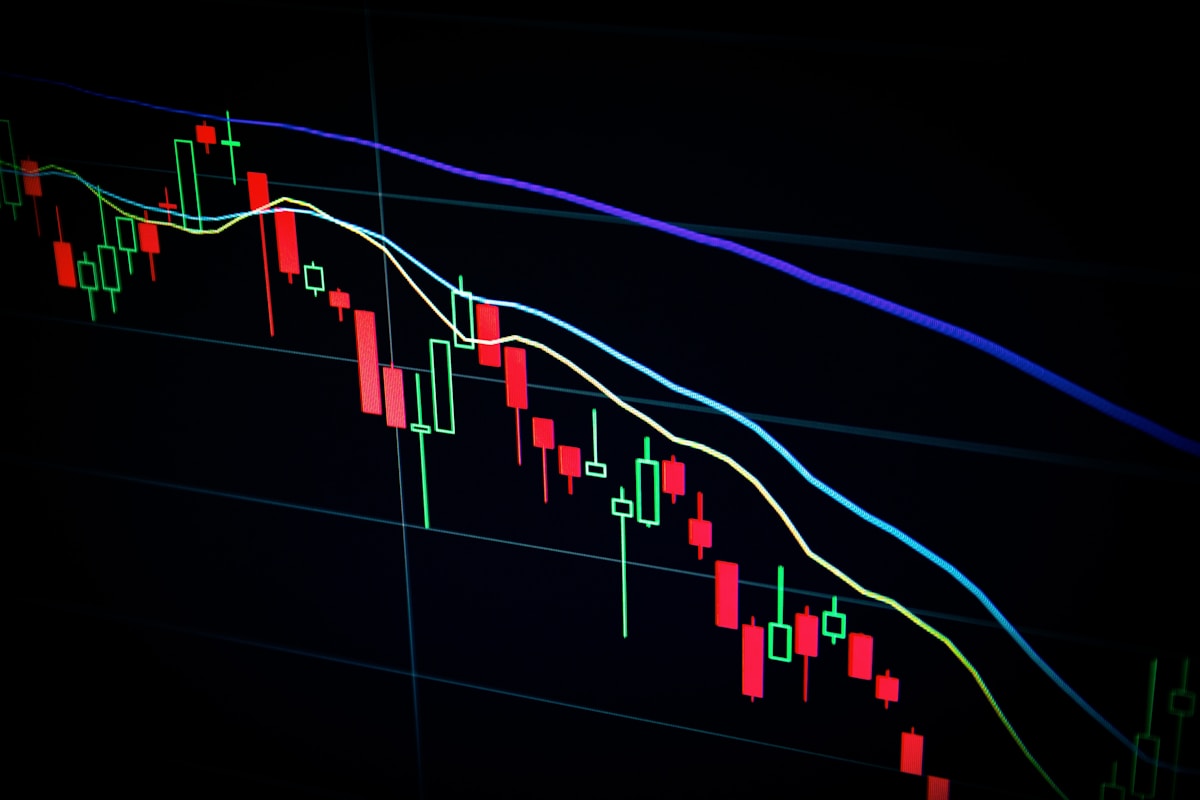

Sector Rotation as Investors Brace for Volatility
The inflation data gauntlet of the coming week is prompting significant sector rotation activity as institutional investors reconfigure their equity portfolios to perform better across the range of plausible inflation scenarios that Friday's CPI and subsequent releases could confirm. Energy stocks, which have been among the strongest performers in the S&P 500 over the past month as crude oil prices have surged above $110 per barrel, are being held by most major institutional portfolios as a hedge against the scenario where the Strait of Hormuz crisis prolongs elevated oil prices and drives continued inflation upside surprises. Financial stocks, particularly large commercial banks, are viewed positively in a sustained higher-rates-for-longer scenario because their net interest margins — the difference between what they earn on loans and what they pay on deposits — expand when rates remain elevated, providing an earnings tailwind even as higher rates weigh on other sectors of the economy. Technology stocks, particularly the large-cap growth companies that dominate index composition, present the most complex positioning challenge, because they are simultaneously the sector most sensitive to interest rate changes through their duration characteristics and the sector with the most powerful underlying earnings growth engines that can partially offset valuation compression from rising rates. Portfolio managers at several major asset management firms described to FiscalFusion this week a strategy of maintaining core technology exposure while hedging with interest rate options rather than reducing stock holdings — an approach designed to capture continued tech earnings growth while managing the rate risk that makes the sector's valuation vulnerable.
Fed Officials Signal Openness to Further Tightening
Ahead of the blackout period that prevents Fed officials from making public statements in the two weeks before a rate meeting, several members of the Federal Open Market Committee made carefully calibrated public remarks this week that collectively signal genuine openness to one additional rate increase if the inflation data disappoints, while also acknowledging the growing risks of overtightening in an economy showing signs of meaningful stress. Fed Governor Michelle Bowman, one of the committee's more hawkish members, delivered a speech at a banking conference in Charlotte on Thursday in which she said that she does not yet have confidence that inflation is on a sustainable path back to 2 percent and that she believes the committee should retain full optionality about further rate increases until the data clearly indicates they are no longer necessary. Chicago Fed President Austan Goolsbee, by contrast, emphasized in a Wednesday interview the significant cumulative tightening already delivered, the lagged effects of monetary policy that have not yet fully worked through the economy, and the asymmetric risk of causing unnecessary economic damage through excessive tightening at a moment when inflation is already trending lower. Chair Powell's most recent public communications have carefully avoided committing to a specific course of action, emphasizing data dependence and the committee's commitment to returning inflation to target without causing unnecessary economic hardship — a balanced message that keeps all options open while providing little specific guidance about the September decision. Financial markets have responded to this ambiguity by pricing approximately 55 percent odds of a hold and 45 percent odds of a final quarter-point increase, a near-coin-flip that underscores just how much will ride on the inflation data the market receives in the coming days.