POLITICS
California's gubernatorial and Los Angeles mayoral races remain highly competitive as voters head toward the June primary election, with no candidate establishing a decisive lead in either contest.
California Contests for Governor, LA Mayor Head Toward Primary Election With No Clear Leaders
California voters are heading into one of the state's most unpredictable primary elections in recent years as both the race to succeed term-limited Governor Gavin Newsom and the contest for Los Angeles mayor remain wide open with no clear front-runner emerging ahead of voting day. Political analysts say the uncertainty reflects growing voter frustration over issues including housing affordability, homelessness, public safety, the rising cost of living, wildfire preparedness, economic inequality, and concerns about government effectiveness. In the governor's race, a crowded field of candidates from both major parties has prevented any contender from establishing a dominant lead, creating the possibility of a highly competitive finish under California's top-two primary system in which the two highest vote-getters advance to the general election regardless of party affiliation. Democratic candidates including Xavier Becerra and Tom Steyer have attracted significant attention, while Republican Steve Hilton has emerged as a major challenger capable of capitalizing on voter dissatisfaction and consolidating support among conservative voters. Recent polling has shown Becerra holding a narrow advantage, but the race remains fluid with a substantial number of undecided voters and no guarantee regarding which two candidates will ultimately advance. The contest has been further shaped by record-breaking campaign spending, particularly from billionaire businessman and environmental activist Tom Steyer, whose extensive advertising efforts have dramatically increased his visibility across the state. Despite massive expenditures, analysts note that financial resources alone may not be enough to secure a place in the general election as voters continue weighing candidates based on leadership qualities, policy proposals, and their ability to address California's long-standing challenges. The governor's race has also been influenced by the departure of several prominent candidates earlier in the campaign cycle, contributing to shifting voter preferences and creating opportunities for remaining contenders to gain momentum during the final days before the primary.
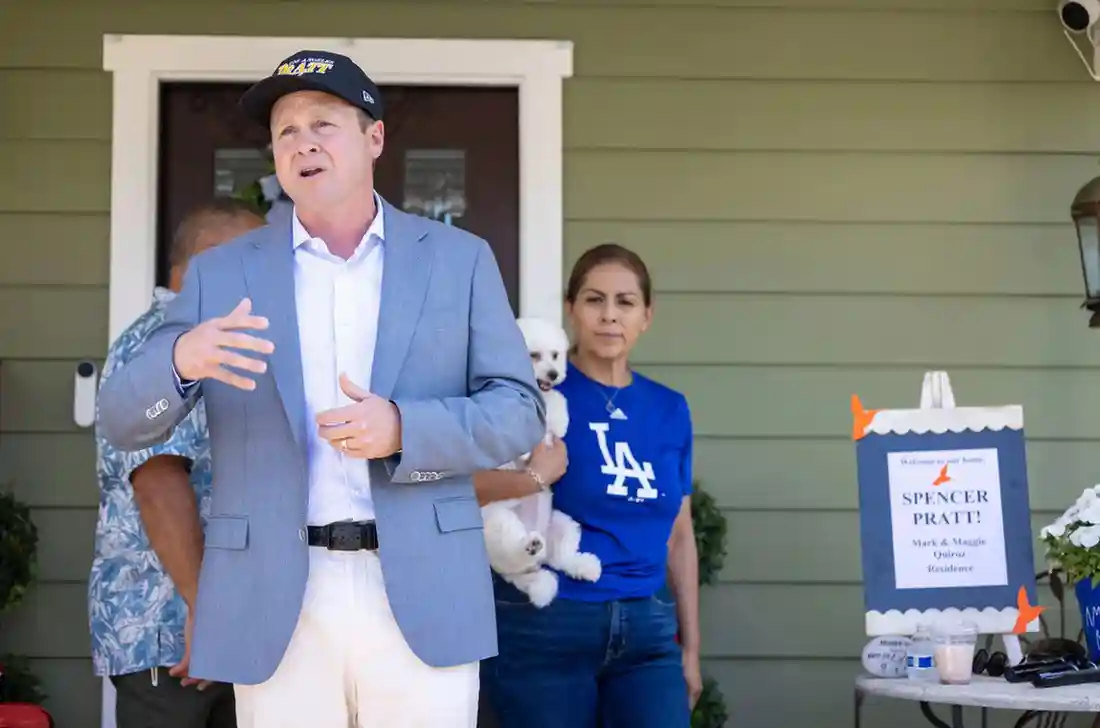
Democrats have expressed concern that a fragmented field could divide the party's vote and potentially create an opening for Republicans under California's unique election rules. Party leaders have repeatedly urged candidates to realistically assess their campaigns and consider the broader implications of vote splitting in a race that could determine the state's political direction for years to come. Meanwhile, the Los Angeles mayoral contest has become equally unpredictable. Incumbent Mayor Karen Bass is seeking another term while facing challenges from progressive councilmember Nithya Raman and television personality Spencer Pratt, whose outsider campaign has attracted attention from voters frustrated with traditional political leadership. Bass has defended her record by highlighting efforts to address homelessness, public safety, economic recovery, and city services, but critics argue that many of Los Angeles' most pressing problems remain unresolved. Raman has positioned herself as a progressive alternative focused on housing reform, social services, and community-based solutions, while Pratt has sought to channel anti-establishment sentiment and public dissatisfaction into a broader movement for change. The emergence of unconventional candidates and outsider campaigns reflects a wider trend in American politics in which voters increasingly seek alternatives to established political figures. Political observers note that frustration over homelessness, crime perceptions, traffic congestion, housing costs, and economic pressures has become a central theme across both races.
These concerns have fueled debates about government accountability and policy effectiveness, creating an environment in which voters appear more willing to consider nontraditional candidates. Early voting data has suggested relatively low participation rates, adding another layer of uncertainty to election forecasts. Campaign strategists from both parties acknowledge that turnout patterns could significantly influence outcomes, particularly in races where margins between leading candidates remain narrow. California's gubernatorial election is receiving national attention because the state is often viewed as a political trendsetter whose policy decisions and electoral outcomes can influence debates across the country. The winner will inherit responsibility for managing the nation's largest state economy while confronting major issues including housing shortages, environmental regulations, wildfire risks, budget pressures, water management, transportation infrastructure, and healthcare access. Likewise, the Los Angeles mayoral race carries national significance because the city serves as one of the country's largest urban centers and faces challenges that mirror those confronting metropolitan areas across the United States. Analysts say the election results may offer insights into voter attitudes toward progressive governance, public spending priorities, urban policy, and political leadership during a period of economic and social change. Campaign messaging in both races has increasingly focused on competence, accountability, and practical solutions rather than ideological debates alone.
Candidates are seeking to convince voters that they possess the experience and vision necessary to address complex challenges while restoring confidence in public institutions. At the same time, the competitive nature of the contests has led to intensified advertising campaigns, public appearances, endorsements, and voter outreach efforts aimed at persuading undecided voters. Political organizations, advocacy groups, labor unions, business interests, and community leaders have become heavily involved in supporting candidates whose policies align with their priorities. Election experts caution that with no candidate holding a decisive advantage, late-breaking developments, turnout shifts, and voter sentiment during the final days before the primary could dramatically alter the outcome. The absence of clear leaders in either race underscores broader political volatility within California and highlights the evolving priorities of voters who appear increasingly focused on results rather than traditional party loyalties. As election day approaches, candidates are making final appeals to voters while analysts, pollsters, and political observers closely watch a pair of races that could reshape California's political landscape and influence national political conversations for years to come..

More News To Explore
Donald Trump Meets Xi Jinping in High-Stakes Beijing Summit Amid Iran War