POLITICS
A Texas judge ordered Attorney General Ken Paxton’s divorce records unsealed as a contentious Senate primary intensifies, injecting new scrutiny into an already volatile race.
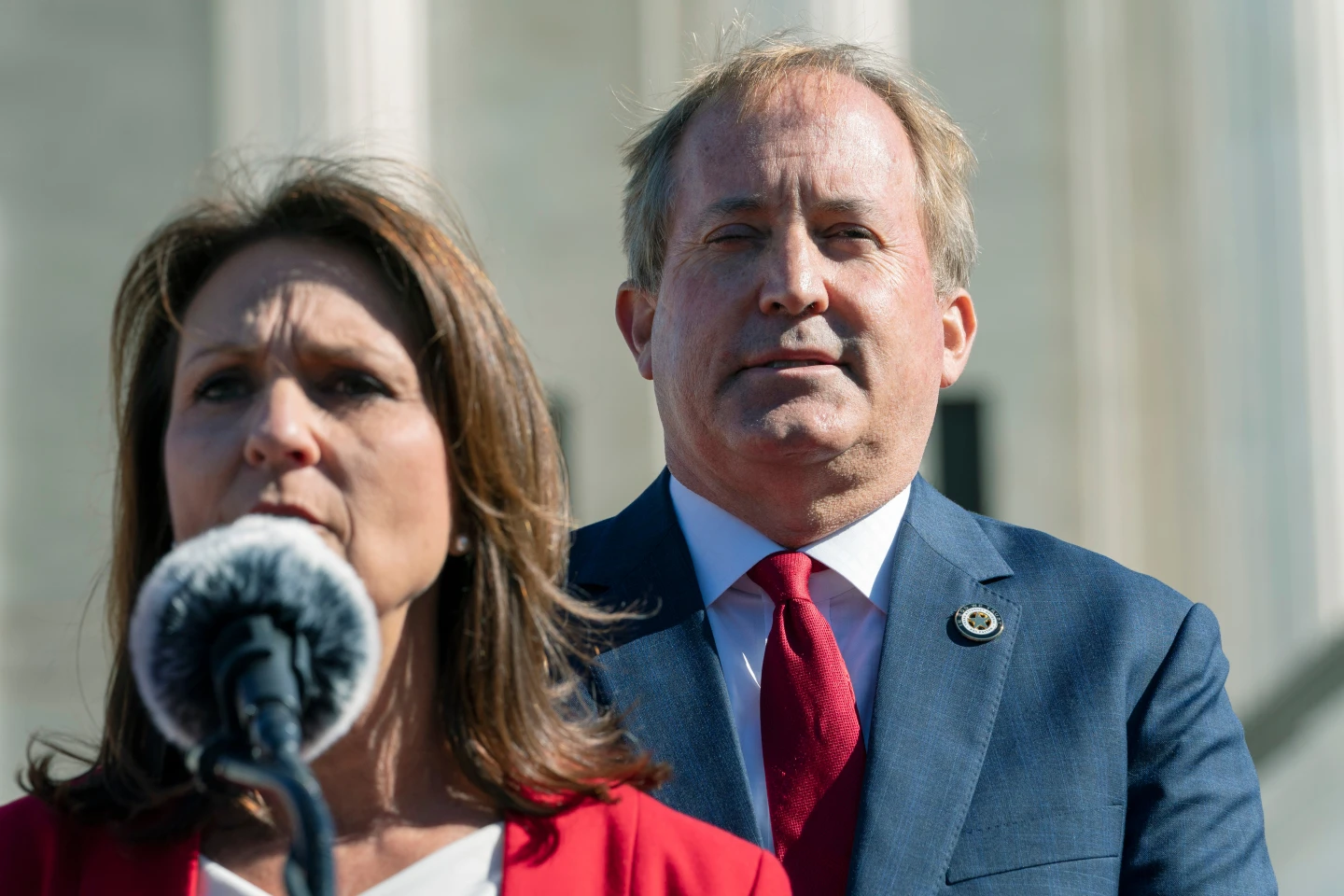
Texas judge orders Attorney General Ken Paxton’s divorce records unsealed amid heated Senate primary
A Texas judge has ordered the unsealing of divorce records involving Attorney General Ken Paxton, a decision that comes amid a heated U.S.
Senate primary and adds a new layer of legal and political scrutiny to an already contentious campaign season; the ruling allows previously sealed court documents to become public, raising questions about transparency, privacy, and the role of personal legal matters in high-stakes political contests; the timing of the order is particularly significant, as Paxton is locked in a fiercely competitive primary that has drawn national attention, deepened divisions within the Republican Party, and heightened focus on his long history of legal and ethical controversies; supporters of the unsealing argue that voters have a legitimate interest in understanding the full context of a candidate’s legal record, especially when allegations or disputes may intersect with broader questions of judgment, credibility, or conduct in office; critics counter that divorce proceedings are inherently personal and that releasing such records risks politicizing private family matters for electoral gain; the judge’s decision reflects a legal determination that the justification for keeping the records sealed no longer outweighs the public interest, a balance courts often must strike when public officials seek confidentiality in civil cases; the unsealing order does not itself establish wrongdoing, but it opens the door for political opponents, media, and voters to examine details that had previously been shielded from view; in the context of a closely watched Senate primary, the development threatens to shift campaign dynamics, as candidates and outside groups recalibrate messaging in response to new information that may emerge; Paxton has faced a series of legal challenges over the years, including investigations and allegations that have both energized his supporters, who see him as a target of political attacks, and galvanized critics, who argue that the pattern raises serious concerns about accountability; the release of divorce records adds to that broader narrative, potentially reinforcing existing views rather than changing minds, but it may still influence undecided voters or affect turnout in a race expected to be decided by narrow margins; the ruling also underscores how courts can become focal points in political battles, even when cases are not directly related to election law or campaign conduct; legal experts note that while unsealing records is not uncommon, the political context can amplify the impact of such decisions far beyond the courtroom, especially when the individual involved is a prominent statewide official seeking higher office; the primary itself has been marked by sharp rhetoric, competing claims of conservative credentials, and significant spending, making any new development a potential catalyst for escalation; allies of Paxton are likely to frame the unsealing as part of a broader effort to undermine his candidacy through personal attacks, while opponents may argue that transparency is essential for informed voting; the episode highlights the tension between privacy rights and public accountability that often arises when personal legal matters intersect with political ambition; beyond the immediate race, the decision could have implications for how future candidates approach requests to seal records, particularly in jurisdictions where courts weigh public interest heavily when elected officials are involved; voters, meanwhile, are left to decide how much weight to give to personal legal documents when evaluating candidates for federal office, a judgment that varies widely depending on individual values and perceptions of relevance; as the Senate primary moves forward, attention will focus not only on the contents of the newly unsealed records but also on how campaigns respond, whether the issue gains traction with voters, and whether it alters the trajectory of a race already defined by controversy; the judge’s order serves as a reminder that legal proceedings can intersect unpredictably with political timelines, introducing new variables into campaigns that are often carefully choreographed; in the end, the unsealing of Paxton’s divorce records adds another chapter to a turbulent political story, illustrating how personal history, legal decisions, and electoral competition can converge in ways that test the boundaries between private life and public service during one of the most intense moments of a political career..

More News To Explore
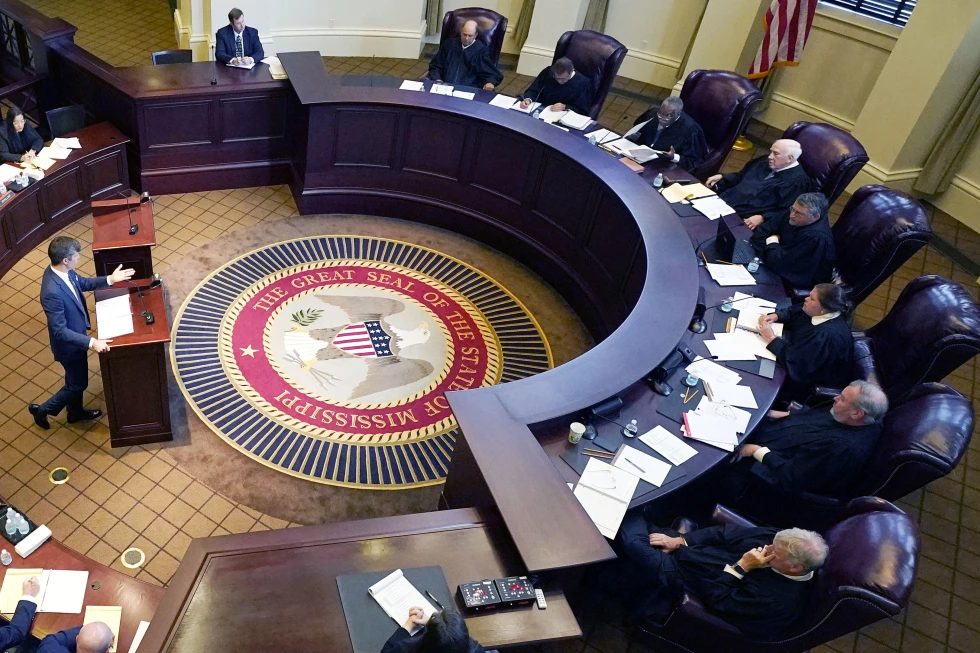
Judge orders special elections for Mississippi Supreme Court after Voting Rights Act violation