POLITICS
Donald Trump’s boastful claims of an “A+++++” economy clash with on-the-ground realities in a pivotal Pennsylvania city where economic anxiety could shape the midterm elections.
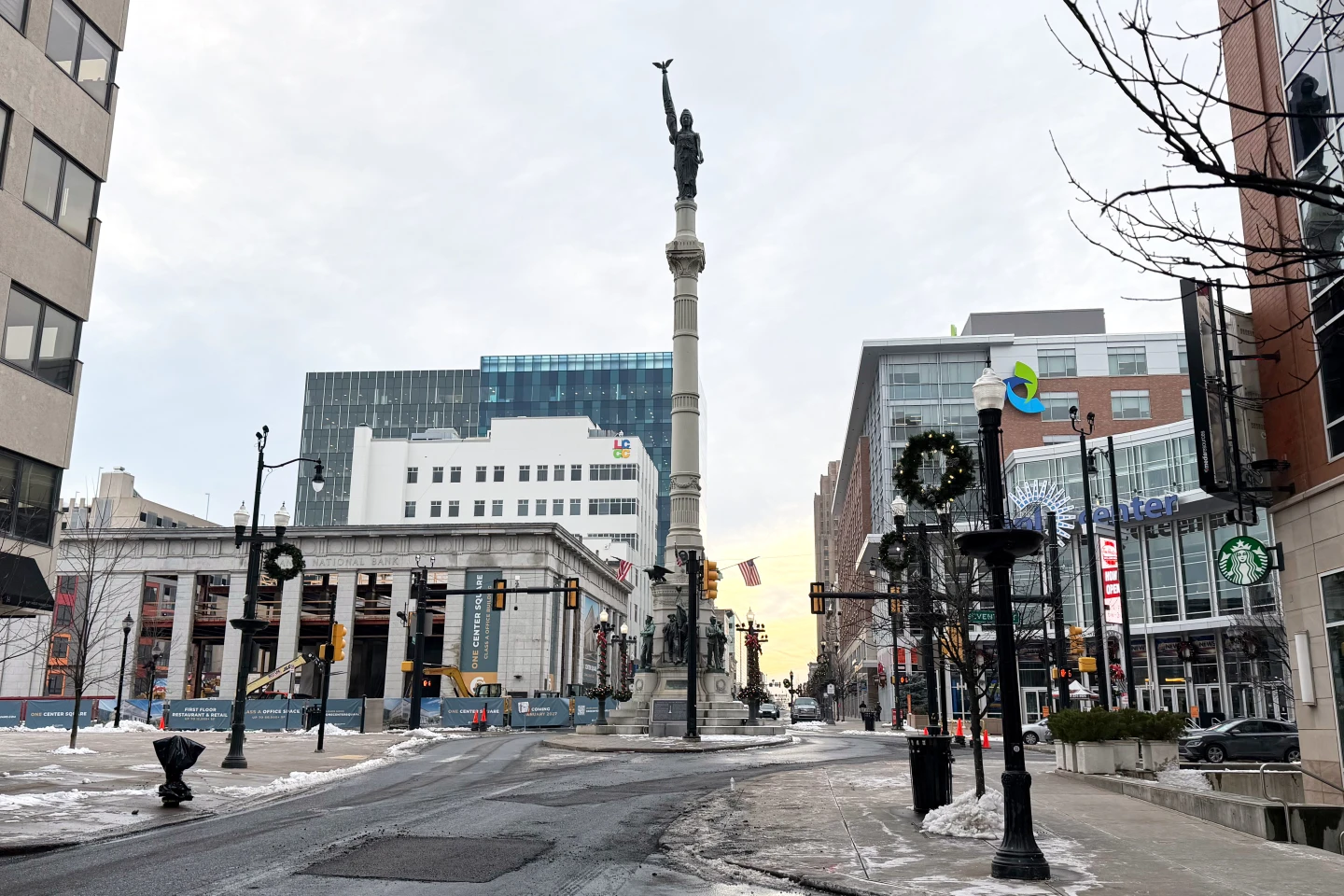
Trump’s ‘A+++++' economy collides with reality in a Pennsylvania city critical to the midterms
Former President Donald Trump’s glowing description of the economy as “A+++++” meets a far more complicated reality in a critical Pennsylvania city where everyday economic pressures are shaping political attitudes ahead of the midterm elections, revealing a stark contrast between national rhetoric and local experience that could influence control of Congress; in a state long regarded as one of the nation’s most important political battlegrounds, this city sits at the intersection of manufacturing heritage, shifting demographics, and persistent economic uncertainty, making it a bellwether for how voters interpret broad economic claims through the lens of their own lives; while Trump and his allies point to indicators such as job growth, market performance, and business confidence to argue that the economy is thriving, many residents describe a more uneven picture marked by rising costs, stagnant wages, and lingering insecurity that complicates simplistic narratives of success; conversations with workers, small business owners, and families reveal concerns about inflation’s impact on groceries, housing, and utilities, alongside frustration that paychecks have not kept pace with expenses, leaving little room for savings or long-term planning; these pressures are especially pronounced in communities that once relied on stable industrial employment, where economic transitions have created pockets of growth alongside persistent vulnerability; supporters of Trump’s economic message argue that broader trends matter more than local fluctuations and credit his policies with laying the groundwork for strength and resilience, but skeptics counter that aggregate statistics often obscure disparities that define daily life in places like this Pennsylvania city; the disconnect between rhetoric and reality has become a focal point for both parties as they craft messages aimed at persuading undecided voters who may be less interested in ideological debates than in tangible improvements to their standard of living; Democrats have sought to highlight investments in infrastructure, manufacturing, and workforce development, arguing that targeted policies can deliver concrete benefits to communities that feel left behind, while Republicans emphasize deregulation, tax relief, and energy production as pathways to renewed prosperity; the city’s political significance lies not only in its voting history but in its role as a testing ground for these competing economic visions, as candidates visit factories, town halls, and neighborhood businesses to demonstrate empathy and credibility; residents express a mix of skepticism and cautious hope, acknowledging improvements in employment opportunities while remaining wary of volatility and external shocks that could quickly erode progress; for many, the question is not whether the economy earns a high grade on paper but whether it provides stability, dignity, and opportunity in practice; the midterms amplify these concerns, as control of Congress could shape economic policy on taxes, spending, and regulation, directly affecting communities already navigating uncertainty; analysts note that voters in such swing areas often decide elections based on perceptions of economic competence rather than party loyalty, making messaging around the economy especially consequential; Trump’s assertion of an exceptional economy may resonate with voters who feel optimistic or aligned with his broader worldview, but it risks alienating those whose lived experiences contradict the claim; the resulting tension underscores a broader challenge in American politics, where national leaders must reconcile macroeconomic narratives with localized realities that vary widely across regions; as Election Day approaches, the Pennsylvania city stands as a reminder that economic success is not monolithic and that political outcomes often hinge on whether voters feel seen and understood; the collision between bold claims and everyday realities will likely shape turnout, persuasion, and ultimately the balance of power, illustrating how the economy remains both a powerful talking point and a deeply personal issue in a midterm election defined by narrow margins and high stakes..

More News To Explore
US senator from Wyoming won’t seek reelection in 2026 in Republican stronghold