POLITICS
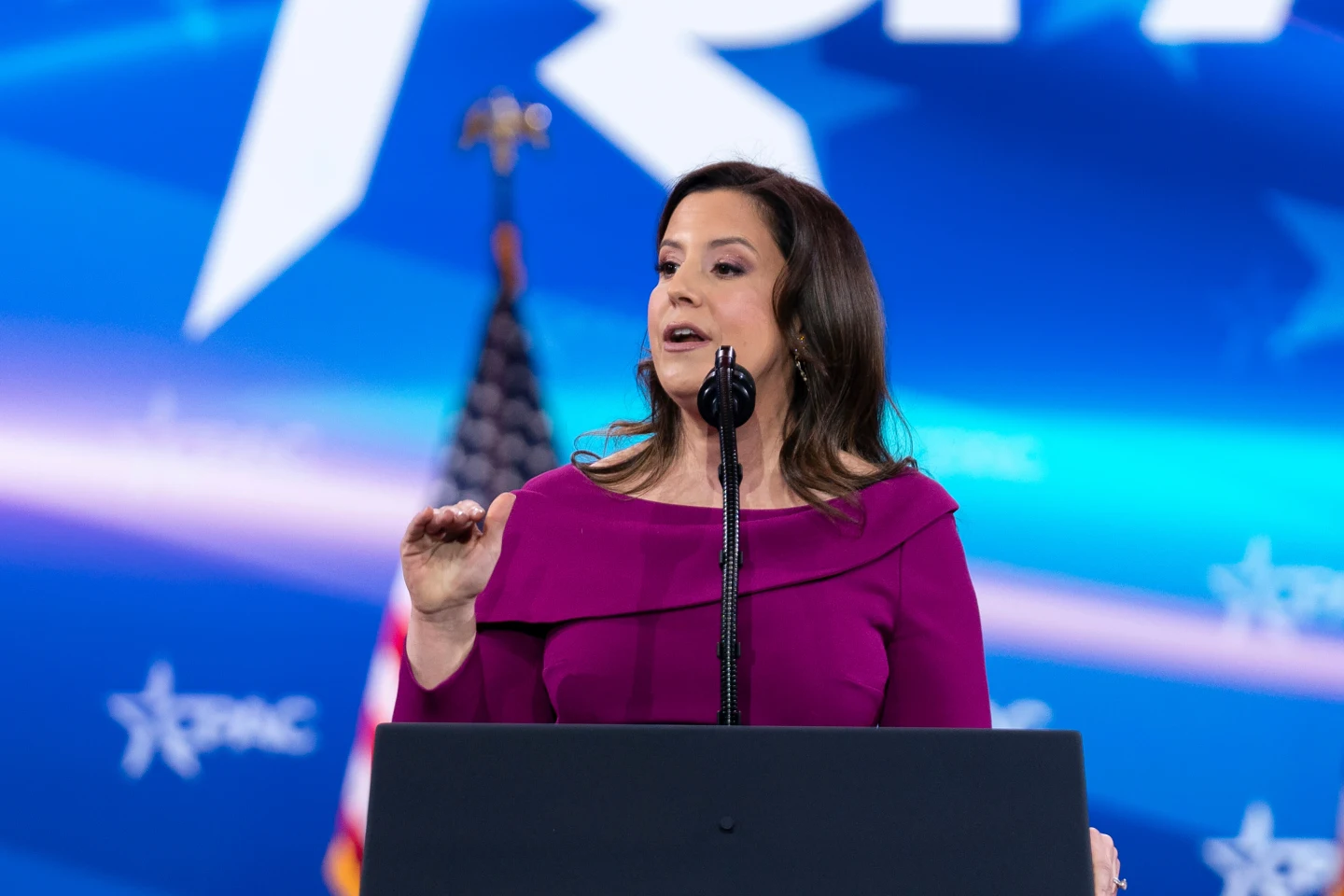
Donald Trump endorsed a New York county executive for governor just days after longtime ally Elise Stefanik suspended her potential campaign, reshaping the early Republican field.

Trump endorses county executive for NY governor, days after longtime ally Stefanik suspends campaign
Former President Donald Trump has moved quickly to shape the Republican field in New York’s gubernatorial race, endorsing a sitting county executive for governor only days after longtime ally Elise Stefanik suspended her campaign, a sequence of events that underscores Trump’s continued influence over party politics in the state and signals an effort to consolidate support behind a preferred contender early in the race; the endorsement follows Stefanik’s decision to step aside after months of speculation about her intentions, removing a high-profile figure with deep national connections from contention and opening space for other Republicans to position themselves as the party’s standard-bearer against entrenched Democratic power in New York; Trump’s backing of the county executive elevates a candidate with executive experience at the local level, aligning with his frequent emphasis on law-and-order themes, suburban appeal, and governance credentials rooted in managing budgets, public safety, and local services; the timing of the endorsement suggests a deliberate attempt to prevent a prolonged or fractious primary, particularly in a state where Republicans face long odds statewide and often struggle to unify behind a single candidate early enough to build momentum; for the endorsed candidate, Trump’s support offers immediate name recognition, fundraising potential, and access to a loyal base of voters who remain influential within Republican primaries, though it also carries political risks in a state where Trump remains polarizing among general election voters; Stefanik’s suspension altered the political calculus almost instantly, as her status as one of Trump’s most visible allies in Congress had made her a presumed favorite for the former president’s backing had she entered the race, and her exit cleared the way for Trump to redirect his support without appearing to undercut a close associate; the episode highlights the fluid nature of Republican leadership in New York, where ambitious officeholders must weigh national alliances against local political realities, and where Trump’s endorsement can be both an asset and a complication depending on the audience; Democrats, meanwhile, are likely to frame the endorsement as evidence of Trump’s continued grip on the Republican Party, a message they have used effectively in recent statewide races to mobilize their base and appeal to independent voters wary of national political polarization; the county executive now elevated by Trump will need to balance loyalty to the former president with efforts to broaden appeal beyond the GOP base, emphasizing pragmatic governance and local accomplishments to counter Democratic narratives; Stefanik’s decision to suspend her campaign also reflects the strategic challenges facing Republicans in New York, including fundraising demands, organizational hurdles, and the difficulty of building a statewide coalition in a heavily Democratic environment, even for candidates with strong national profiles; Trump’s intervention may streamline the Republican contest, but it does not resolve the structural obstacles the party faces, from voter registration gaps to Democratic dominance in urban centers; nonetheless, the endorsement sends a clear signal that Trump intends to remain actively involved in key races, using his influence to reward allies, shape candidate fields, and project relevance heading into a broader election cycle; for Republican voters, the move offers clarity about Trump’s preference and may accelerate consolidation around the endorsed candidate, while for undecided figures considering a run, it raises the cost of entering a race already defined by the former president’s backing; as the campaign develops, attention will focus on whether the county executive can translate Trump’s endorsement into tangible organizational strength, fundraising success, and a message that resonates beyond the primary electorate; the rapid shift from Stefanik’s suspension to Trump’s endorsement illustrates how quickly political dynamics can change and how central Trump remains to Republican decision-making, even in states where electoral success has been elusive; in the coming months, the impact of this endorsement will be measured not only by primary results but by whether it helps Republicans mount a credible challenge in a state where victories are rare, making the episode a revealing snapshot of power, loyalty, and strategy in contemporary American politics..

More News To Explore
US senator from Wyoming won’t seek reelection in 2026 in Republican stronghold