POLITICS
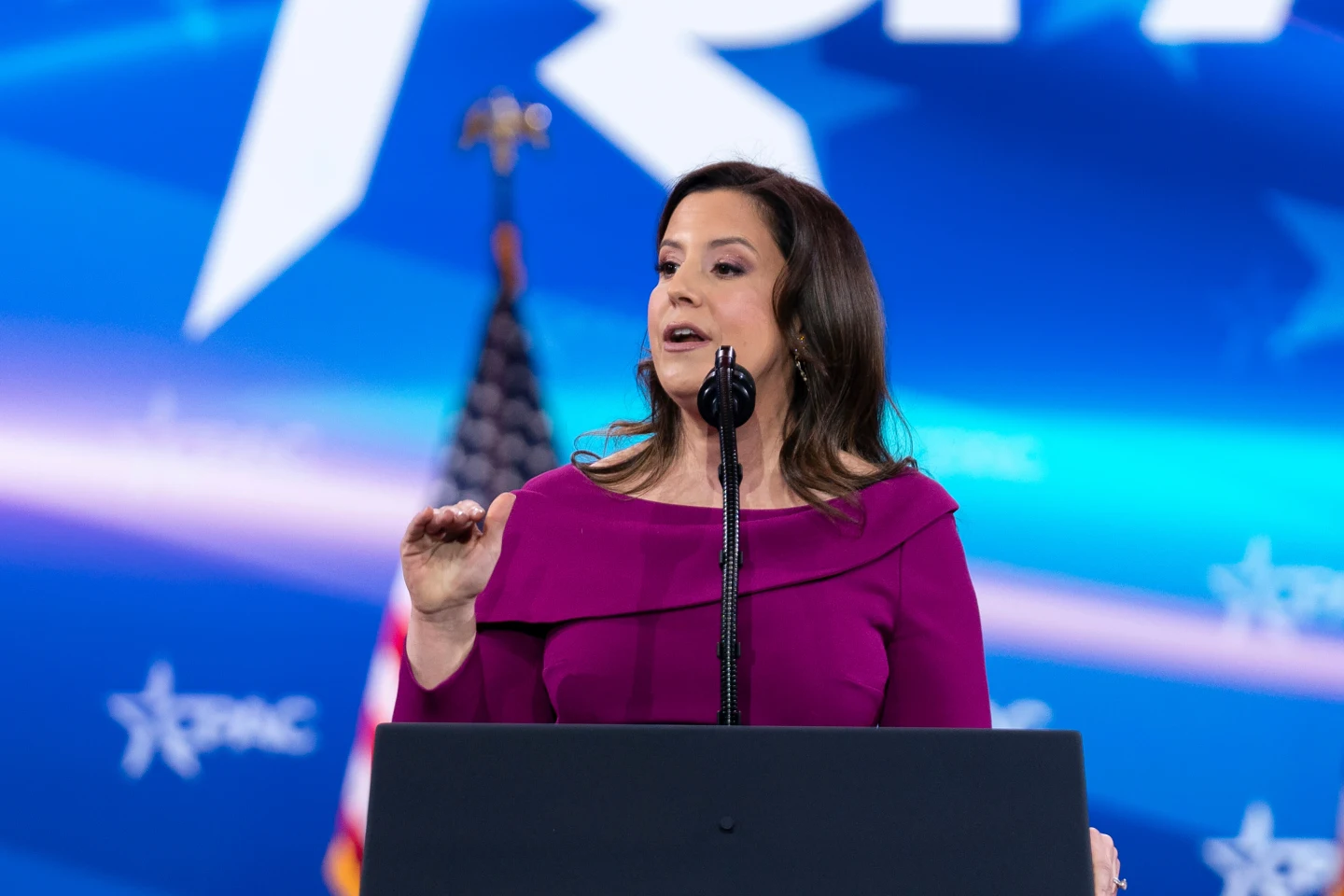
A U.S. senator from Wyoming announced they will not seek reelection in 2026, opening the door to a wide-open race in one of the nation’s most reliably Republican states.
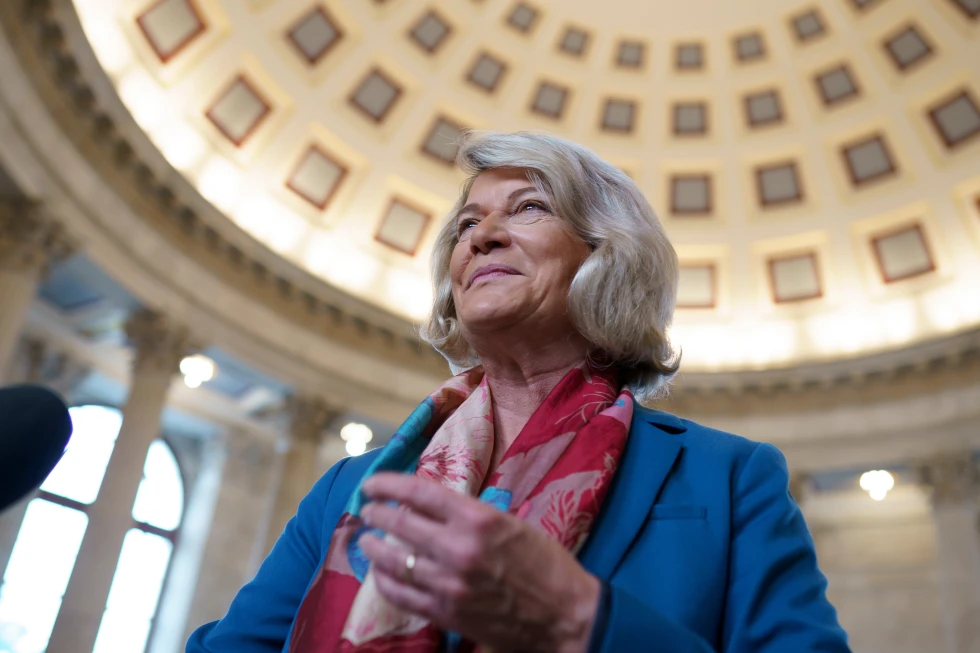
US senator from Wyoming won’t seek reelection in 2026 in Republican stronghold
A longtime U.S.
senator from Wyoming has announced plans not to seek reelection in 2026, setting the stage for a competitive Republican primary in a state widely regarded as one of the party’s strongest strongholds and signaling a rare moment of transition in Wyoming’s federal representation; the decision ends speculation about the senator’s political future and immediately shifts attention to who might step forward to fill a seat that has been firmly in Republican hands for decades; Wyoming’s deeply conservative electorate means the eventual winner of the GOP primary is widely expected to prevail in the general election, making the nomination contest itself the most consequential phase of the race; the announcement is likely to trigger interest from current and former statewide officeholders, members of Congress, and prominent local figures who see an opportunity to advance their political ambitions on a national stage; in a small-population state where retail politics and personal relationships matter deeply, early organization, name recognition, and ties to party activists will be critical factors in shaping the field; the senator’s departure also reflects a broader pattern of turnover in Congress, as some lawmakers choose to step aside rather than seek another term amid shifting political dynamics, increased polarization, and the personal toll of public service; for Wyoming, which values seniority and stability in Washington, the loss of an experienced senator could temporarily reduce the state’s influence, particularly on committees and in leadership roles, though a new lawmaker would bring fresh energy and priorities; Republican leaders are expected to emphasize continuity on issues such as energy development, public lands management, agriculture, and opposition to federal overreach, themes that resonate strongly with Wyoming voters and have long defined the state’s political identity; Democrats, while unlikely to flip the seat, may still field a candidate to highlight policy contrasts and build party infrastructure, using the race to engage voters and sharpen messages ahead of future contests; the open seat could also become a proxy for broader debates within the Republican Party, including questions about ideology, loyalty to national figures, and the balance between pragmatic governance and hardline conservatism; Wyoming’s small electorate means even subtle shifts in turnout or factional alignment can influence primary outcomes, adding an element of unpredictability despite the state’s overall partisan stability; the senator’s decision not to run again allows potential successors time to prepare, fundraise, and stake out positions well ahead of the election year, increasing the likelihood of a crowded and competitive primary; national party organizations and interest groups are expected to monitor the race closely, though their direct involvement may be limited by the state’s strong preference for homegrown candidates and skepticism toward outside influence; voters, meanwhile, may weigh experience against new perspectives as they consider who is best positioned to represent Wyoming’s interests in Washington during a period of significant national and global challenges; the announcement also invites reflection on the senator’s legacy, including years of service on key issues important to the state and their role in shaping federal policy affecting Wyoming’s economy and communities; as the 2026 cycle approaches, the open Senate seat ensures that Wyoming will attract more political attention than usual, even if the ultimate partisan outcome appears largely predetermined; the race will test how the Republican Party in Wyoming manages succession, balances unity with competition, and selects a nominee capable of maintaining the state’s influence in the U.S.
Senate while navigating an increasingly complex and divided political environment..

More News To Explore
Judge orders special elections for Mississippi Supreme Court after Voting Rights Act violation