A new study shows that mailing HPV self-sampling kits directly to women dramatically increases cervical cancer screening rates, offering a powerful solution to reach underserved populations.
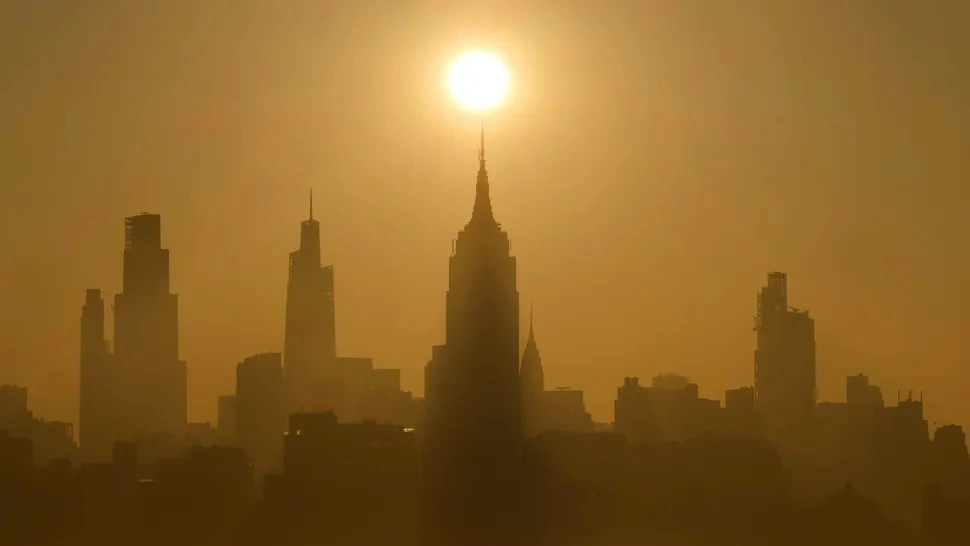
An unusually early and intense heat dome has blanketed the Eastern United States, pushing temperatures to their highest levels in years and triggering health warnings, power demand surges, and wildfire concerns.

The International Space Station marked a historic milestone with the arrival of astronauts from India, Poland, and Hungary — the first representatives from their countries to live and work aboard the orbiting laboratory.
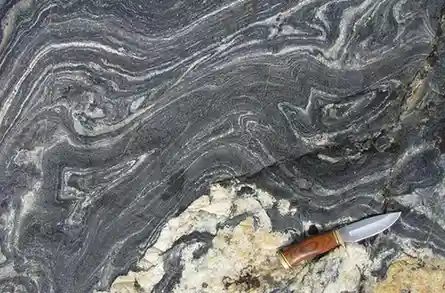
Geologists have discovered ancient rocks in northern Canada that may date back over 4.2 billion years, possibly making them the oldest known rocks on Earth and offering new clues about the planet's early formation.

Independent U.S. presidential candidate Robert F. Kennedy Jr. says the federal government is pulling financial support from Gavi, a major global vaccine alliance, raising concerns about the future of global immunization programs.
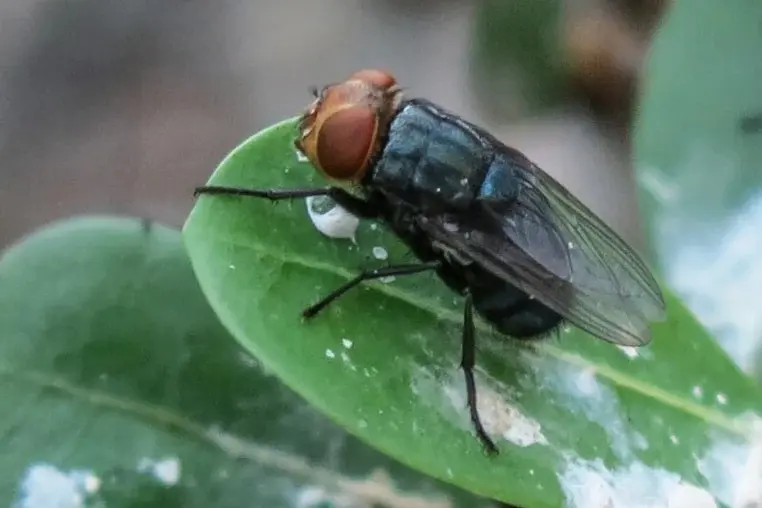
In a bold move to protect U.S. agriculture, federal scientists plan to breed billions of sterile flies to combat the invasive screwworm pest — a technique that blends biology with precision pest control.

Netflix teams up with NASA to create a slate of original content aimed at inspiring a new generation of space enthusiasts and showcasing the real science behind humanity’s mission to explore the cosmos.

Heat domes, massive high-pressure systems that trap hot air, are becoming more frequent and severe. Here's how they form, why they’re intensifying, and the serious impacts they have on health, infrastructure, and the climate.