SCIENCE
A new study shows that mailing HPV self-sampling kits directly to women dramatically increases cervical cancer screening rates, offering a powerful solution to reach underserved populations.
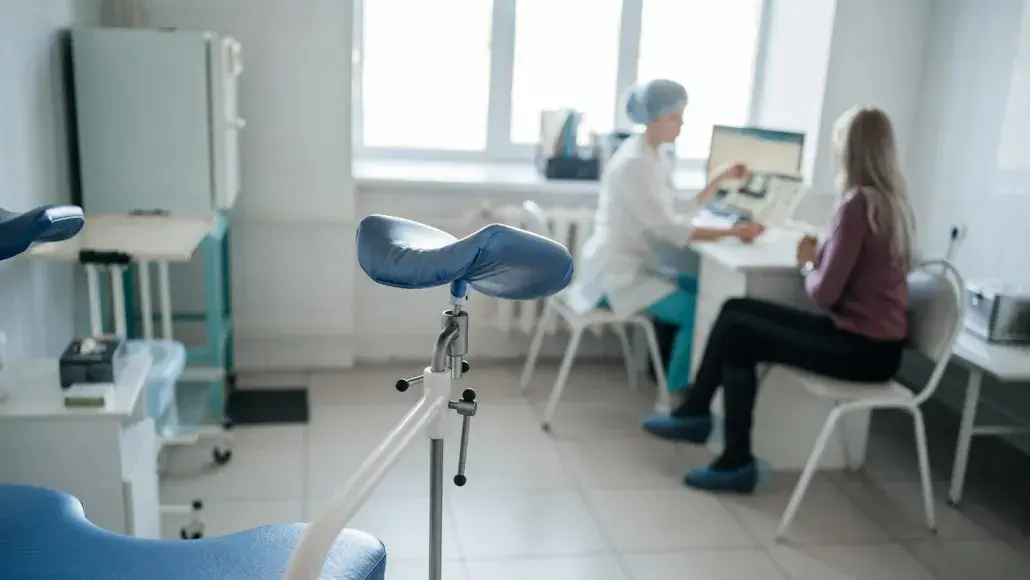
Mailed Self-Sample Kits Significantly Boost Cervical Cancer Screening Rates, Study Finds
A recent groundbreaking study has revealed that mailing HPV self-sampling kits to women substantially increases cervical cancer screening rates, offering an effective and accessible approach to address long-standing gaps in preventive healthcare, particularly among underserved and hard-to-reach populations. Conducted by public health experts and published in a respected medical journal, the study targeted women overdue for cervical cancer screening who faced barriers to attending in-person appointments. Participants who received mailed kits were significantly more likely to complete screening than those who only got standard reminders. These kits included easy-to-follow instructions and all necessary materials for at-home vaginal sample collection, which were then returned to labs for high-risk HPV testing—critical for early detection.
Completion rates nearly doubled or tripled among women receiving kits, especially in lower-income, rural, and minority communities. Experts hailed this as a major public health advancement, emphasizing the potential for mailed self-sampling to address healthcare inequities, reduce strain on clinics, and improve early cancer detection. Many participants found the process comfortable and preferable to clinic visits, citing privacy and convenience. The intervention is scalable and cost-effective, with health advocates pushing for integration into national screening programs.
While follow-up care remains essential, self-sampling is a vital entry point into the healthcare system, especially for those traditionally left out. The study also stresses the need for community outreach, culturally sensitive education, and reliable follow-up to ensure timely care for those who test positive. With cervical cancer still claiming tens of thousands of lives globally, despite being largely preventable, this approach aligns with WHO's elimination goals. Pilot programs in various regions are already showing success, and healthcare agencies are evaluating how to scale distribution in low-resource settings.
Additionally, the findings suggest a broader future for at-home testing in preventive care, including for colorectal cancer and STIs. As the COVID-19 pandemic revealed vulnerabilities in traditional care models, self-testing options are gaining momentum. The study marks a hopeful shift in public health strategy—blending innovation, access, and empowerment to save lives through early detection..

Oliver Matthews
Nullam varius lacinia congue. Donec ac dapibus elit. Proin facilisis nulla in est mattis, ut dapibus justo euismod. Proin sollicitudin a mi vel fermentum. Phasellus aliquam sollicitudin libero nec tincidunt. Sed posuere nisl sit amet erat faucibus, vitae pharetra.
Aliquam quam orci in molestie a tempor nec
Pellentesque habitant morbi tristique senectus et
Comments

Vestibulum id nisl a neque malesuada hendrerit. Mauris ut porttitor nunc, ut volutpat nisl. Nam ullamcorper ultricies metus vel ornare. Vivamus tincidunt erat in mi accumsan, a sollicitudin risus
Vestibulum porta libero leo, sed malesuada enim auctor eget. Duis pretium ipsum nec mi adipiscing fermentum ac eget mauris. Ut posuere volutpat mi, eget condimentum nibh

Vestibulum id nisl a neque malesuada hendrerit. Mauris ut porttitor nunc, ut volutpat nisl. Nam ullamcorper ultricies metus vel ornare. Vivamus tincidunt erat in mi accumsan, a sollicitudin risus
Leave a reply
YOU MAY ALSO LIKE

Japanese Company Attributes Second Moon Crash to Faulty Laser Altimeter

Early-Season Heat Dome Scorches Eastern US With Record-Breaking Temperatures
Categories
Comments
Our Authors