US
An in-depth look at how aging baby boomers are reshaping healthcare, the economy, and social systems across the United States.

A look at aging baby boomers in the United States
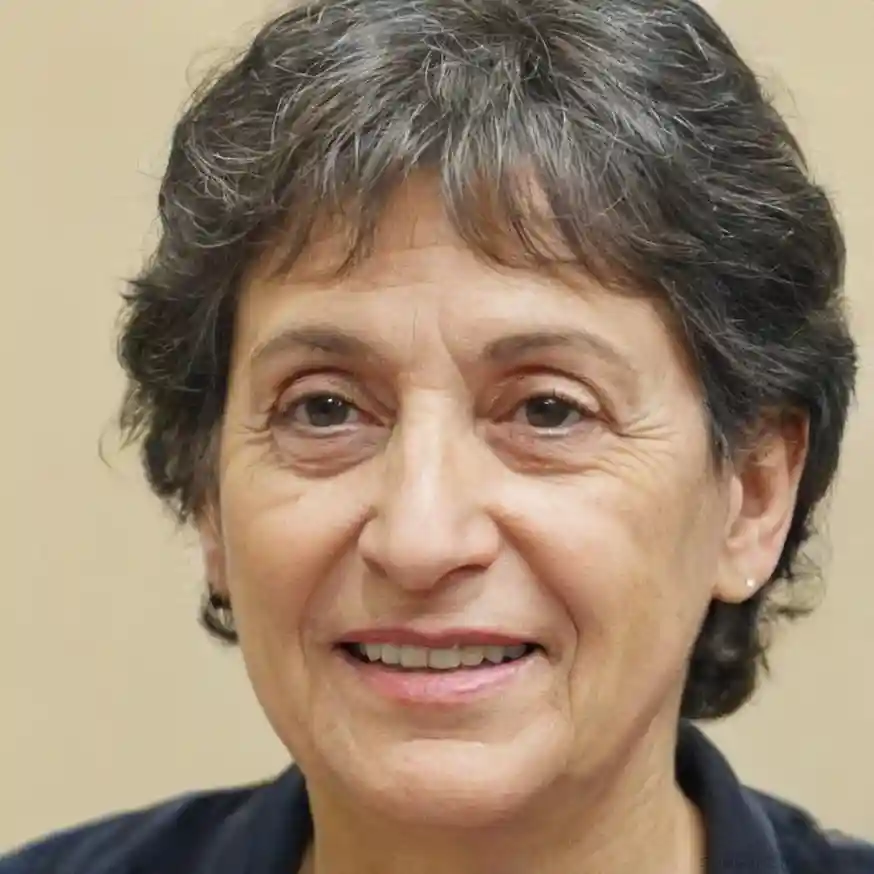
The aging of the baby boomer generation marks one of the most consequential demographic transformations in the history of the United States, reshaping nearly every aspect of American life from healthcare and the economy to family dynamics and public policy. Baby boomers, born between 1946 and 1964, represent a large and influential cohort that benefited from decades of economic expansion, technological progress, and improved life expectancy, but as this generation enters advanced age, the nation faces mounting challenges and opportunities tied to longevity. Healthcare systems are under increasing strain as demand grows for chronic disease management, long-term care, and specialized geriatric services, with conditions such as cardiovascular disease, diabetes, arthritis, dementia, and mobility limitations becoming more prevalent. This surge is placing pressure on hospitals, nursing facilities, home health providers, and Medicare, while exposing workforce shortages among caregivers and medical professionals. Rising healthcare costs continue to burden individuals, families, and government budgets, fueling debates about access, affordability, and the sustainability of public health programs.
Economically, the retirement of millions of baby boomers is transforming labor markets, as experienced workers leave at a faster pace than younger generations can replace them, leading to talent gaps in industries such as manufacturing, healthcare, education, and skilled trades. While this shift challenges productivity, it also creates opportunities for innovation through automation, artificial intelligence, retraining programs, and flexible employment models that allow older adults to remain engaged in the workforce longer. Social Security and pension systems face long-term financial pressures as the ratio of working-age Americans to retirees declines, intensifying discussions about benefit structures, retirement age reforms, and funding solutions. Housing markets are also being reshaped as aging boomers downsize, relocate to retirement-friendly regions, or seek age-adapted housing, influencing real estate demand, urban planning, and community design. At the same time, rural and suburban areas are experiencing shifts as retirees migrate, impacting local economies and infrastructure needs.
Beyond economics, the aging boomer generation is redefining what later life looks like, with many prioritizing active lifestyles, lifelong learning, travel, volunteerism, and civic participation rather than traditional notions of retirement. However, challenges such as social isolation, mental health concerns, and caregiving burdens are growing, particularly as family sizes shrink and geographic mobility separates generations. Adult children increasingly find themselves balancing careers with caring for aging parents, reshaping household responsibilities and increasing demand for supportive services and workplace flexibility. Technology is playing a critical role in addressing these challenges, with advancements in telemedicine, remote monitoring, digital health tools, and financial planning platforms helping older adults maintain independence while easing pressure on care systems. Consumer markets are also evolving as businesses respond to the needs of aging boomers with products and services focused on health, wellness, financial security, and quality of life.
Culturally and politically, baby boomers continue to wield significant influence, shaping public discourse around retirement security, healthcare reform, housing policy, and social equity. As the United States navigates this demographic transition, the way it adapts its institutions, infrastructure, and social systems to support an aging population will have lasting consequences for economic stability, intergenerational relationships, and overall national well-being. Addressing the realities of aging baby boomers is not merely a challenge of care and cost, but an opportunity to rethink aging itself and build a more inclusive, resilient society for future generations..

More News To Explore
Top Trump administration official defends partial release of Epstein files as Democrats cry foul