US
A small Nebraska town faces economic and social upheaval after 3,200 workers lose their jobs, threatening livelihoods and the future of the community.
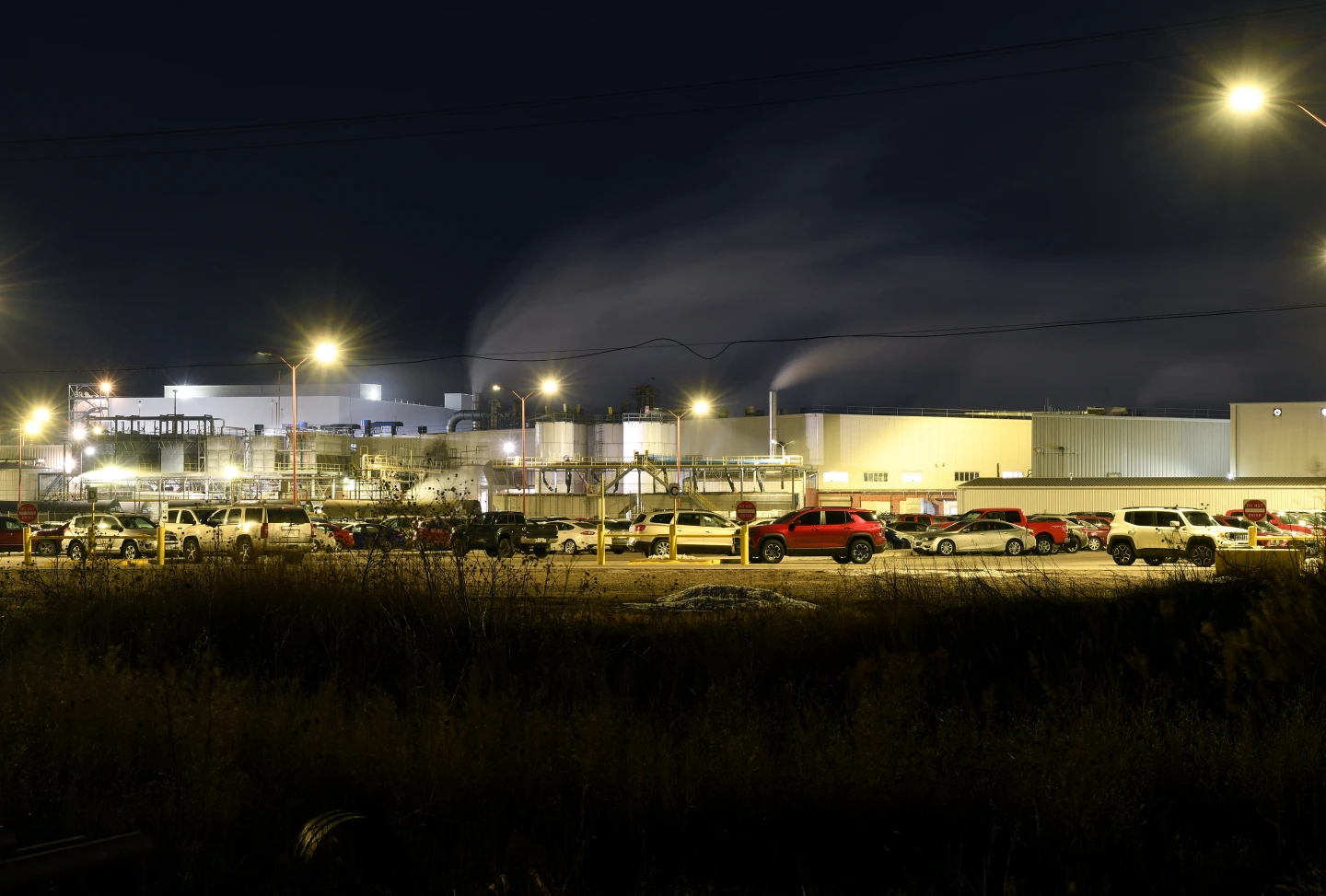
An American Dream at risk: What happens to a small Nebraska town when 3,200 workers lose their jobs
The loss of 3,200 jobs in a small Nebraska town represents far more than a single economic event; it strikes at the heart of the American Dream and exposes the fragile foundation upon which many rural communities depend. In towns built around one dominant employer, jobs are not merely a source of income but the backbone of local identity, stability, and social cohesion. When thousands of workers suddenly find themselves unemployed, the effects ripple outward with speed and severity, touching every aspect of community life. Families face immediate financial strain as paychecks disappear, savings dwindle, and uncertainty replaces routine, forcing difficult decisions about housing, healthcare, education, and daily expenses. Local businesses, from grocery stores and restaurants to hardware shops and service providers, experience sharp declines in customers, triggering layoffs, closures, and reduced hours that deepen the economic downturn.
Property values often fall as residents struggle to keep up with mortgage payments or are forced to move elsewhere in search of work, weakening municipal tax bases and limiting funding for schools, infrastructure, and public services. Schools may see declining enrollment as families leave, while those who remain confront reduced programs, staffing cuts, and fewer extracurricular opportunities for children whose futures suddenly feel less certain. Healthcare access can also suffer, as job loss leads to the loss of employer-sponsored insurance, increasing reliance on underfunded public systems and delaying necessary medical care. Beyond the financial consequences, the psychological toll on workers and their families is profound, marked by stress, anxiety, loss of dignity, and a sense of betrayal that erodes trust in institutions once seen as stable and dependable. For older workers, the challenge can be especially severe, as reemployment opportunities may be limited and retirement plans disrupted or erased entirely.
Younger residents may view the crisis as confirmation that their future lies elsewhere, accelerating population decline and draining the town of talent and energy. Civic institutions, including churches, nonprofits, and volunteer organizations, often struggle to meet rising demand for assistance even as donations decline, creating gaps in support when they are needed most. Local governments are forced into difficult choices, balancing shrinking budgets against growing needs for unemployment services, retraining programs, and economic redevelopment efforts. The broader implications extend beyond a single town, reflecting a national pattern in which globalization, automation, corporate consolidation, and shifting market dynamics leave communities vulnerable to decisions made far away. While some towns attempt to reinvent themselves through workforce retraining, small-business development, or attracting new industries, recovery is rarely quick or guaranteed, and success often depends on access to state and federal support, infrastructure investment, and long-term planning.
The story unfolding in this Nebraska town raises fundamental questions about economic resilience, corporate responsibility, and the social contract between employers, workers, and communities. It challenges the notion that hard work alone ensures security and prosperity, revealing how deeply intertwined local economies are with global forces beyond individual control. As residents confront an uncertain future, the fate of the town serves as a sobering reminder that the American Dream remains vulnerable, particularly in places where opportunity is tied to a single source of employment. What happens next will not only determine the survival of this community but also offer lessons about how the nation can better protect workers and towns facing similar upheaval in an increasingly volatile economic landscape..

More News To Explore
Top Trump administration official defends partial release of Epstein files as Democrats cry foul