US
Illinois members of Congress tour immigration detention facilities following a judge’s ruling, raising renewed questions about conditions and oversight.
Illinois members of Congress are latest to tour immigration facilities after judge’s ruling
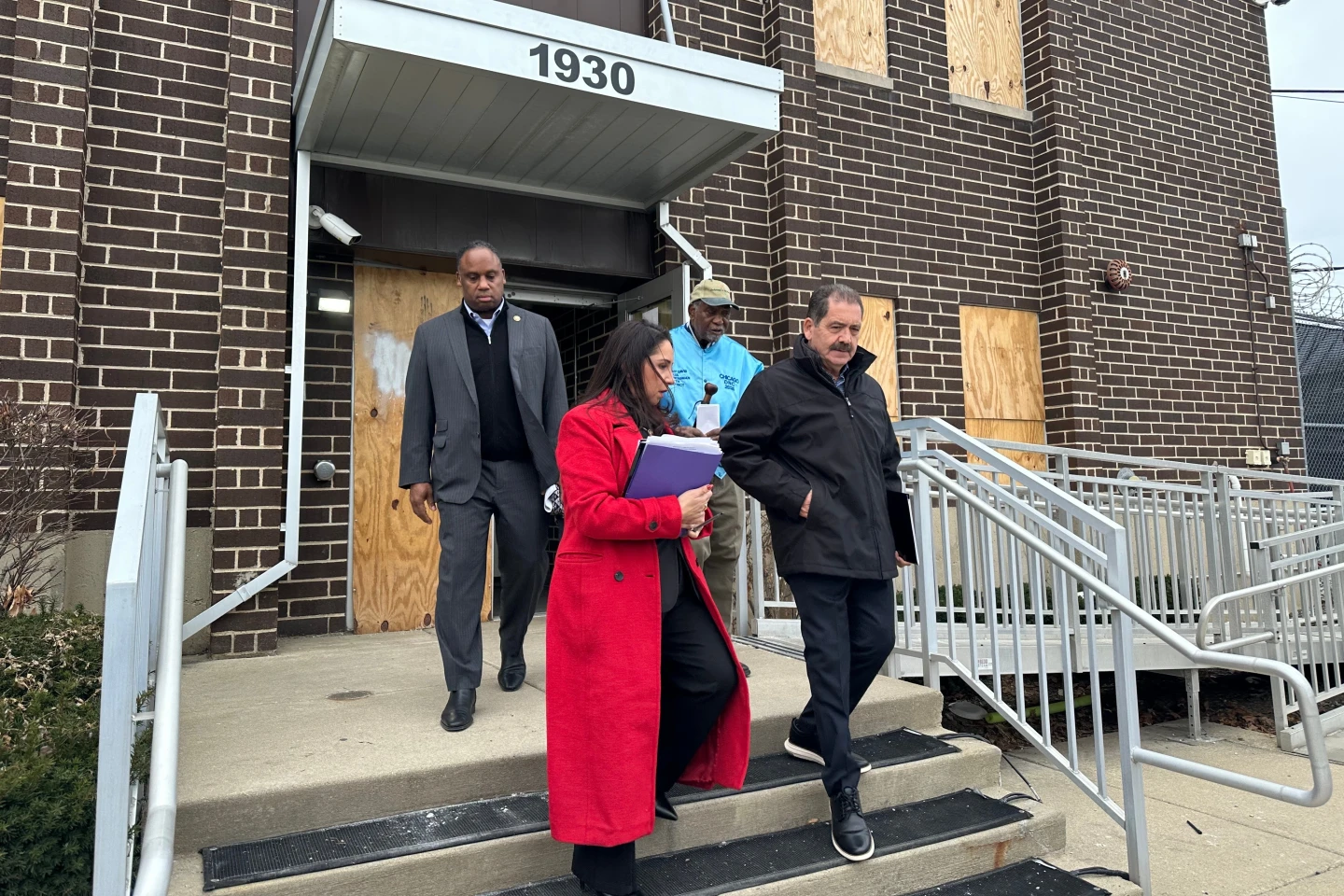
Illinois members of Congress have become the latest lawmakers to tour federal immigration detention facilities following a recent judge’s ruling that heightened scrutiny over detention practices, signaling renewed legislative attention to conditions, due process, and accountability within the immigration system. The visit comes amid growing concern from advocates, legal experts, and community leaders about how migrants are being treated while in custody, particularly after court decisions underscored the rights of detained individuals to challenge their confinement. During the tours, lawmakers sought firsthand insight into living conditions, access to medical care, legal representation, and overall treatment of detainees, emphasizing the importance of transparency in facilities that often operate with limited public visibility. Members of Congress described the visits as a critical oversight function, allowing them to assess whether federal agencies are complying with legal standards and humanitarian obligations following the judge’s ruling. Immigration detention facilities have long been a focal point of controversy, with critics alleging overcrowding, inadequate healthcare, prolonged detention, and barriers to legal access, while government officials argue that detention is necessary to manage border security and immigration enforcement effectively. The judge’s ruling, which reaffirmed detainees’ rights to seek judicial review, has intensified scrutiny of how immigration authorities implement detention policies, prompting lawmakers to examine whether procedural safeguards are being honored in practice.
Illinois representatives, many of whom represent districts with large immigrant populations, stressed that conditions inside detention centers have real and lasting impacts on families and communities far beyond facility walls. Lawmakers noted that migrants detained for extended periods often face psychological stress, uncertainty, and separation from loved ones, raising concerns about the human cost of enforcement-heavy approaches. The tours also highlighted disparities between facilities, with some reportedly meeting basic standards while others raised red flags related to sanitation, access to counsel, and responsiveness to medical needs. Advocacy groups accompanying or briefing lawmakers urged Congress to use its oversight authority to push for reforms, increased funding for alternatives to detention, and stronger enforcement of existing standards. Supporters of detention reform argue that community-based monitoring programs and case management systems can ensure compliance with immigration proceedings while reducing costs and minimizing harm to vulnerable populations. Meanwhile, critics caution that reducing detention capacity could weaken enforcement and strain an already burdened immigration system, reflecting ongoing divisions over how best to balance border control with humanitarian responsibilities.
The timing of the tours underscores how judicial rulings can influence legislative priorities, prompting lawmakers to move beyond policy debates and directly observe conditions on the ground. For Illinois lawmakers, the visits also serve as a way to inform future legislation, budget decisions, and public advocacy related to immigration policy. Some members indicated that what they observed would shape their positions on detention funding, oversight hearings, and potential statutory changes aimed at protecting due process rights. The tours have drawn attention from national media and advocacy organizations, framing Illinois lawmakers as part of a broader congressional effort to respond to court decisions by increasing transparency and accountability. At the same time, immigration authorities maintain that facilities are subject to regular inspections and oversight mechanisms, and that improvements have been made in response to past criticism. However, advocates argue that independent congressional oversight remains essential, particularly in light of court rulings that expose systemic shortcomings.
The situation reflects a larger national debate over the role of detention in immigration enforcement and whether existing systems align with American legal and humanitarian values. As legal challenges continue and courts weigh in on the limits of executive authority, lawmakers’ on-site visits underscore the interconnected roles of the judiciary, legislature, and executive branch in shaping immigration policy. For detained migrants, the attention from elected officials offers a measure of visibility and hope that their conditions and legal rights will not be ignored. Whether these tours lead to concrete policy changes remains uncertain, but they represent a clear signal that immigration detention practices are under intensified scrutiny in the wake of recent judicial decisions, with implications that could extend well beyond Illinois..

More News To Explore

FCC bans new Chinese-made drones, citing security risks