US
A South Dakota hotel owner is found liable for discriminating against Native Americans, highlighting ongoing civil rights challenges in public accommodations.
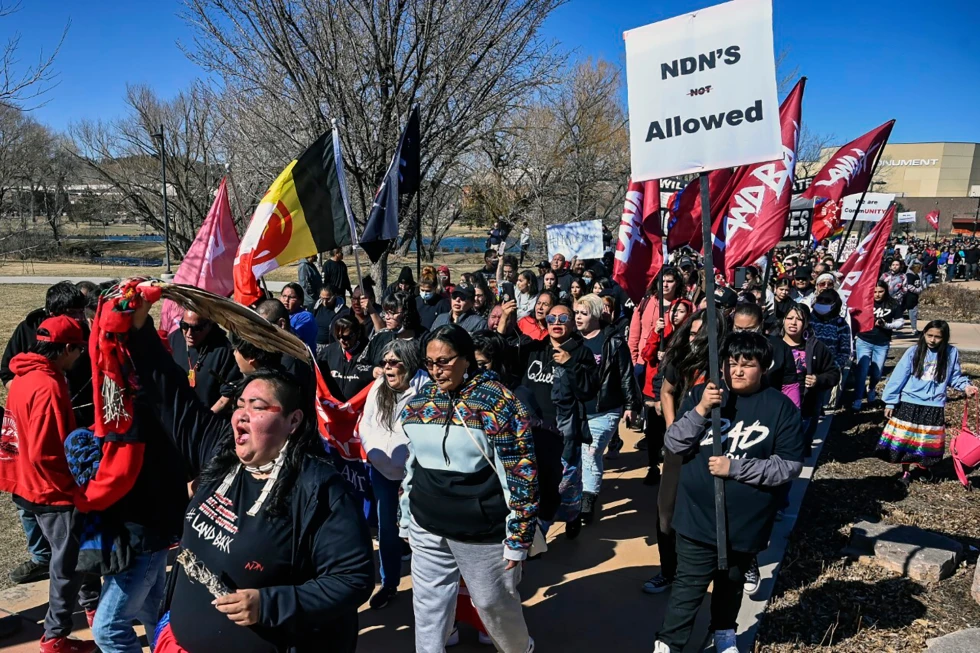
South Dakota hotel owner found liable for discrimination against Native Americans
A South Dakota hotel owner has been found liable for discriminating against Native American guests, a ruling that underscores persistent civil rights challenges faced by Indigenous communities and renews attention on discrimination in public accommodations across the United States. The case centered on allegations that the hotel owner denied lodging, imposed different treatment, or enforced discriminatory policies against Native American customers, actions that violated federal and state anti-discrimination laws designed to ensure equal access to services regardless of race or ethnicity. Evidence presented during the proceedings detailed patterns of exclusion and unequal treatment, reinforcing claims that the conduct was not an isolated incident but part of a broader practice that disproportionately harmed Native American individuals and families. Civil rights advocates argue that such discrimination reflects longstanding stereotypes and systemic biases that Indigenous people continue to encounter in everyday life, particularly in regions where Native American populations are significant but economic and social inequalities remain entrenched. The ruling sends a strong legal message that businesses open to the public are obligated to uphold civil rights protections and that discriminatory behavior, whether overt or subtle, carries serious legal consequences.
For Native American communities, the decision represents both a measure of accountability and a reminder of the barriers that persist despite decades of civil rights progress. Advocates note that discrimination in lodging and hospitality can have far-reaching effects, limiting access to employment opportunities, medical care, family gatherings, and cultural events, especially in rural areas where hotel options may be limited. The case also highlights the emotional and psychological toll of discrimination, as individuals subjected to unequal treatment often experience humiliation, stress, and a diminished sense of belonging. Legal experts point out that while civil rights laws provide avenues for redress, many victims hesitate to come forward due to fear of retaliation, skepticism about outcomes, or lack of resources, making successful cases like this particularly significant. The ruling may encourage other individuals who have experienced discrimination to assert their rights and seek accountability through legal channels.
From a business perspective, the case serves as a cautionary example of how discriminatory practices can result in financial penalties, reputational damage, and long-term harm to community relationships. Industry leaders emphasize that inclusive policies, employee training, and clear anti-discrimination standards are not only legal obligations but essential components of ethical and sustainable business operations. The decision also raises broader questions about enforcement, as civil rights protections rely on consistent oversight and willingness by authorities to investigate complaints thoroughly. In South Dakota and across the country, Native American leaders continue to call for stronger enforcement mechanisms, public education, and systemic reforms to address discrimination in housing, employment, healthcare, and public services. The case has drawn attention from national civil rights organizations, which view it as part of a larger pattern of legal actions aimed at confronting discrimination against Indigenous peoples and reinforcing the principle of equal treatment under the law.
As public awareness grows, advocates hope the ruling will contribute to cultural change by challenging harmful stereotypes and promoting greater understanding between communities. While the legal outcome represents progress, many stress that true equality requires more than courtroom victories, demanding sustained commitment from businesses, policymakers, and society as a whole to confront bias and ensure dignity for all. The South Dakota ruling stands as a reminder that discrimination remains a present reality, not a relic of the past, and that the enforcement of civil rights laws continues to play a critical role in advancing justice and accountability in everyday life..

More News To Explore

FCC bans new Chinese-made drones, citing security risks