Critical Infrastructure Repair Underway
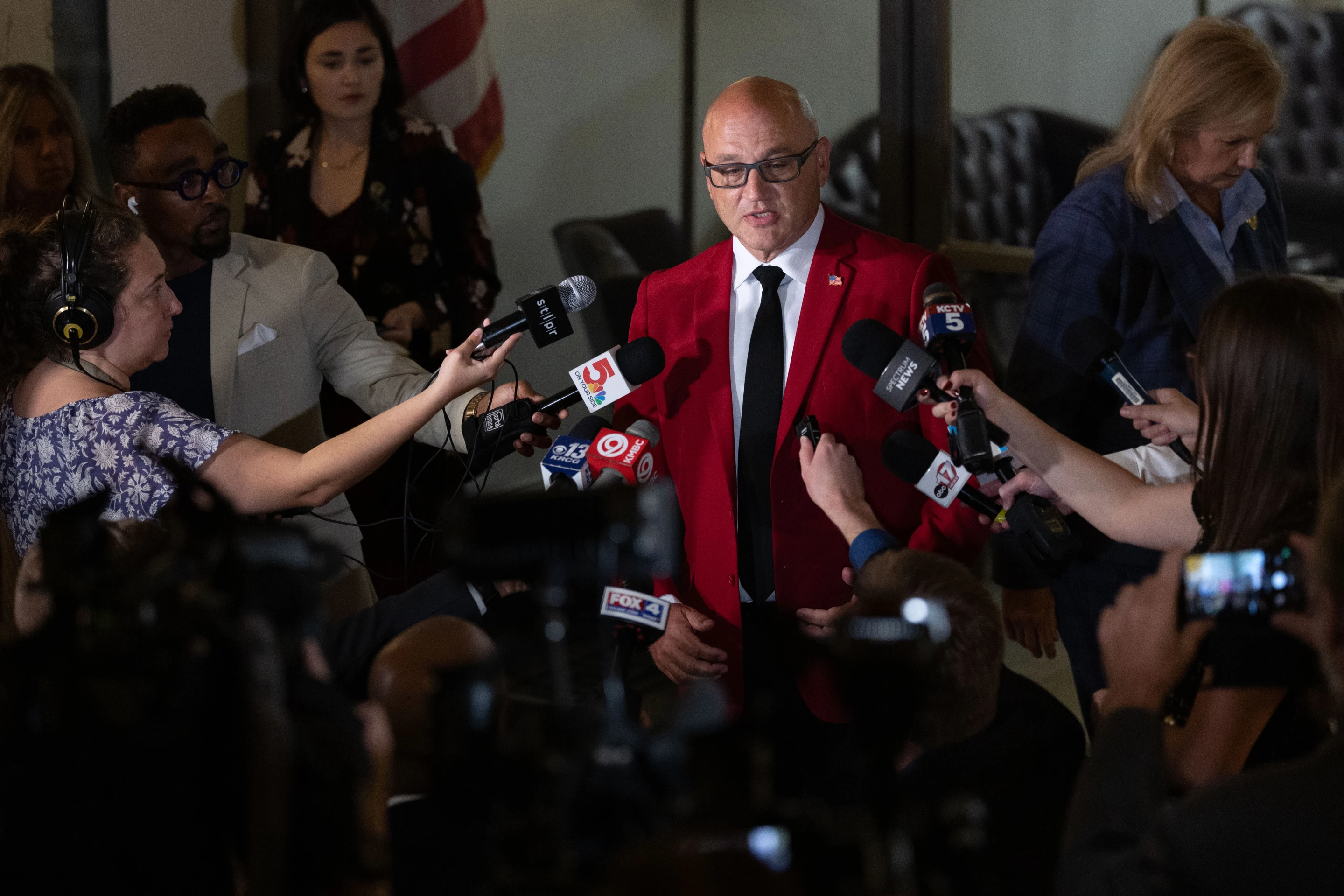
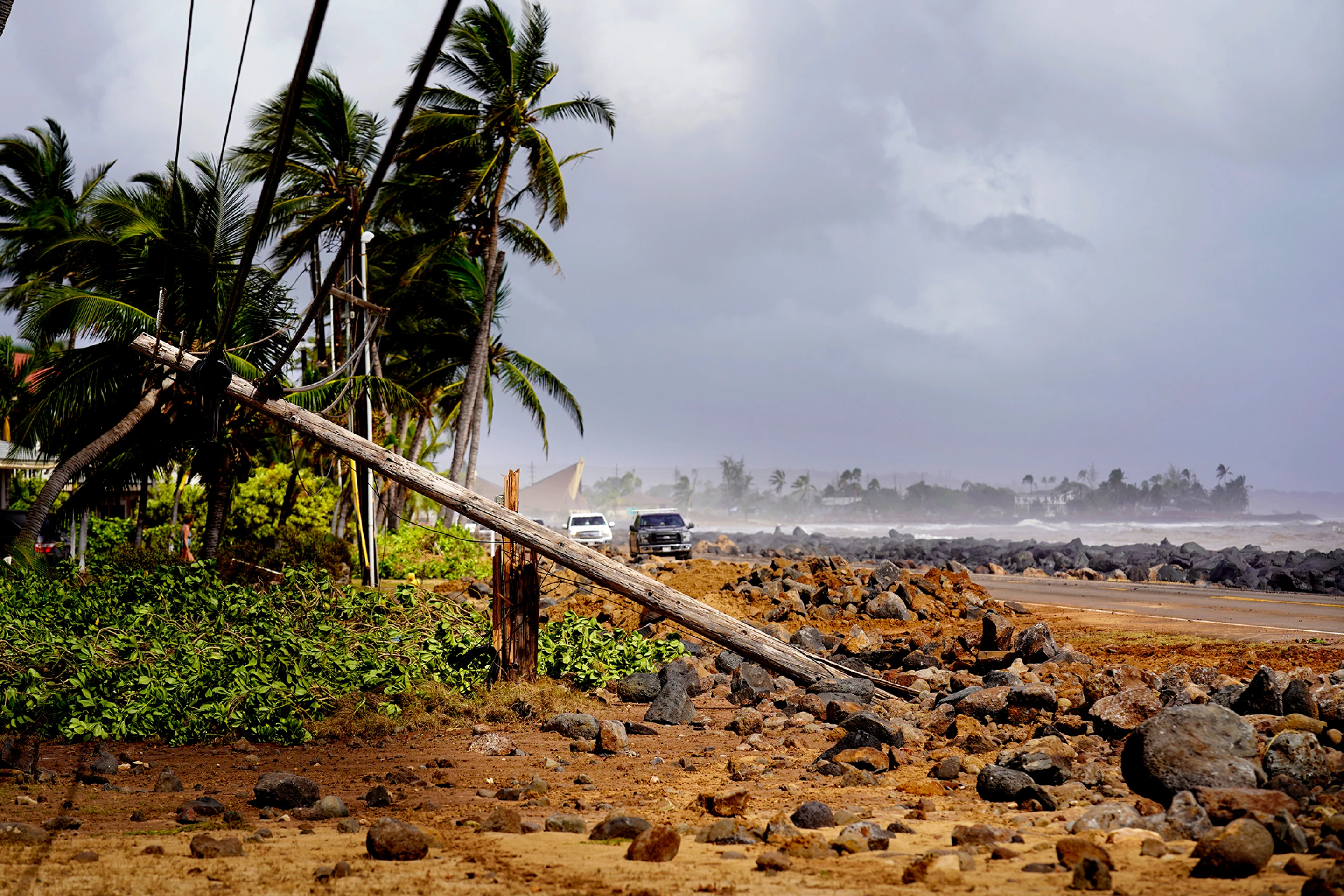
The immediate priority for Kauai's recovery teams is the restoration of power and safe drinking water to the approximately 42,000 residents who remain without either service more than five days after the storm's passage, a situation that officials describe as a genuine public health emergency given the tropical heat and humidity that make food spoilage and dehydration serious risks, particularly for elderly residents and those with medical conditions requiring refrigerated medications. Hawaiian Electric crews supplemented by linemen dispatched from utility companies across the mainland under mutual aid agreements have been working in shifts since Saturday, but the scale of damage to transmission infrastructure, substations, and distribution lines means full restoration is expected to take three to four weeks in the best-case scenario. The Waimea and Lihue wastewater treatment plants both sustained storm damage that has required their temporary shutdown, and crews are working to restore functionality while residents on compromised water lines have been advised to boil water before consumption. Kauai County Mayor Derek Kawakami held a press conference on Thursday at which he was direct about the situation for potential tourists: the island's hotel infrastructure is severely damaged, with the majority of the island's major resort properties closed due to storm damage or loss of power; the roads connecting tourism destinations are either closed or operating under extreme restrictions; and emergency personnel, utilities, and supply chain resources are overwhelmed managing the immediate needs of the resident community and cannot absorb the demands that tourist populations place on local services. Officials asked visitors with upcoming bookings to contact their travel providers about postponement or cancellation and to monitor official state and county channels for guidance on when tourism can safely resume.
Long Road to Tourism Recovery
Kauai's economy is almost entirely dependent on tourism, which accounted for approximately 67 percent of the island's economic activity and the vast majority of employment in the hospitality, retail, transportation, and service sectors before Hurricane Lowell struck. The prospect of a prolonged period during which the island cannot accommodate visitors is therefore not merely an inconvenience for would-be travelers but an existential economic challenge for tens of thousands of workers and business owners whose livelihoods depend on a functioning tourist economy. The Hawaii Tourism Authority announced Thursday an emergency working group that will coordinate with the hospitality industry, airlines, travel agencies, and major booking platforms to develop a structured plan for phased re-opening of tourism as infrastructure is progressively restored, with the goal of providing clear and credible guidance to travelers rather than the uncertainty that tends to drive prolonged visitor avoidance well beyond the period when an island is actually capable of receiving guests. Industry analysts note that Kauai's reputation for exceptional natural beauty — the Napali Coast, Waimea Canyon, and Hanalei Bay remain among Hawaii's most iconic destinations — provides a strong foundation for eventual recovery, and that pent-up demand from travelers who had planned Kauai visits will likely translate into a strong rebound once conditions normalize. However, the physical rebuilding of hotel properties, roads, and natural landscapes like beaches reshaped by storm surge will take considerably longer than the restoration of power and water, meaning that the full tourism recovery may take twelve to eighteen months. Travel insurance companies are advising policyholders with affected bookings to file claims promptly, as many comprehensive travel insurance policies cover trip cancellations caused by declared natural disasters.