Armed Conflict Hampers Emergency Response
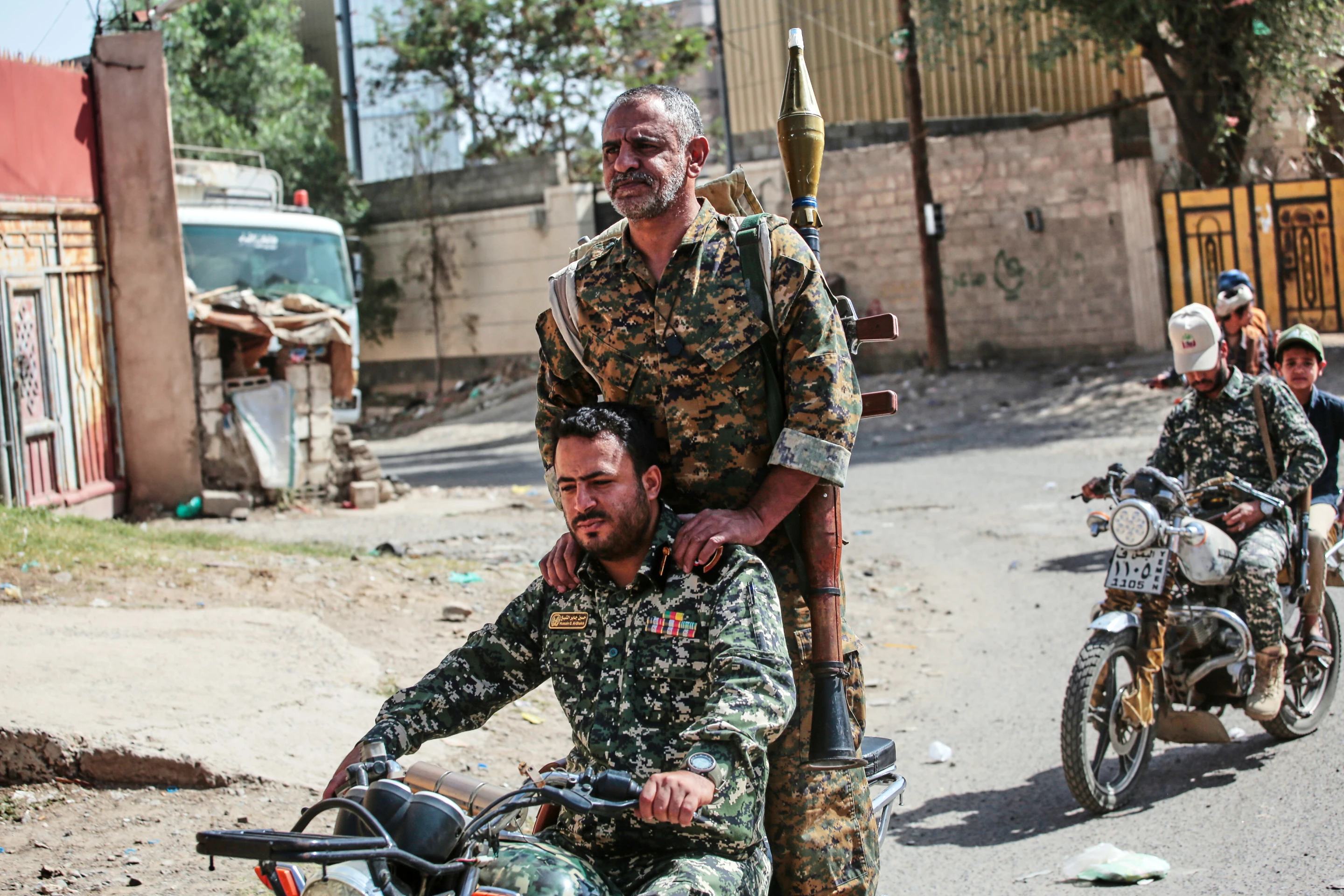
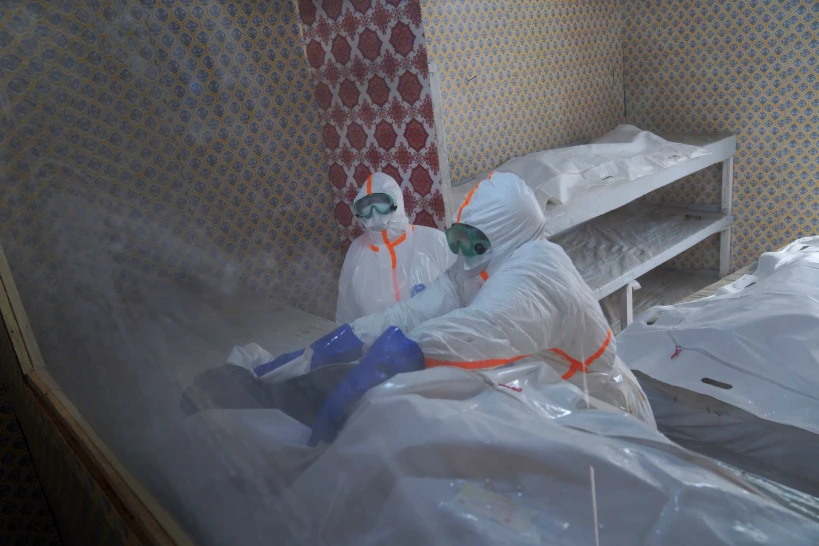
The Ebola outbreak is unfolding against a backdrop of sustained and intensifying armed conflict in eastern Democratic Republic of Congo that is making the basic requirements of effective epidemic containment — contact tracing, isolation of confirmed cases, vaccination of close contacts, and safe burial of the deceased — extraordinarily difficult or in some areas entirely impossible to execute. The M23 rebel movement and its affiliated armed factions maintain control of significant portions of North Kivu, and several of the communities where confirmed Ebola transmissions have been detected are either behind active frontlines or accessible only through contested territory where the movement of health teams requires armed escort that cannot always be guaranteed. Aid workers from multiple international organizations told FiscalFusion this week that they have been unable to reach at least eleven communities identified as high-priority contact tracing targets due to active fighting, roadblocks erected by armed groups, and a pervasive security environment in which humanitarian workers have been targeted and killed with near-impunity. Meanwhile, the mass displacement of civilians driven by the conflict is creating exactly the conditions most conducive to rapid viral spread, with tens of thousands of people crowded into informal displacement camps where water, sanitation, and healthcare are critically inadequate and where the social structures that typically support community-level disease surveillance have been entirely disrupted. DRC Health Minister Samuel Roger Kamba appealed urgently to international donors on Thursday to release emergency funding and expedite the delivery of experimental vaccines and therapeutic treatments.
International Community Mobilizes Cautiously
The international response to the Congo Ebola escalation is being shaped by a difficult combination of genuine humanitarian urgency, donor fatigue from several previous DRC Ebola outbreaks in recent years, and the geopolitical complexities of operating in a conflict zone where the DRC government's authority is contested and where some donor relationships with Kinshasa have been strained by political disagreements over governance, mining rights, and regional security arrangements. The World Health Organization dispatched an emergency team of epidemiologists and logisticians to Goma on Wednesday and confirmed it is pre-positioning supplies including personal protective equipment, isolation unit materials, and experimental Sudan ebolavirus vaccine doses that have shown promising preliminary efficacy in earlier trials but have not yet received full regulatory approval for widespread deployment. The United States CDC has offered to embed technical advisers with the DRC Ministry of Health's Emergency Operations Center and has identified approximately forty million dollars in existing emergency health security funding that could be reprogrammed toward the response without requiring new congressional authorization. The European Union announced Thursday an initial contribution of fifteen million euros through its humanitarian aid office ECHO, while the African Union's Peace and Security Council scheduled an emergency session to discuss whether the simultaneous public health and security crises in eastern Congo require a coordinated continental response that goes beyond what individual health agencies can deliver. Epidemiologists warn that if the outbreak is not contained within the next two to three weeks, the risk of spread to neighboring Rwanda, Uganda, and Burundi — all of which maintain significant cross-border movement with eastern Congo — will increase substantially.