Infrastructure Crisis in Conflict Zones
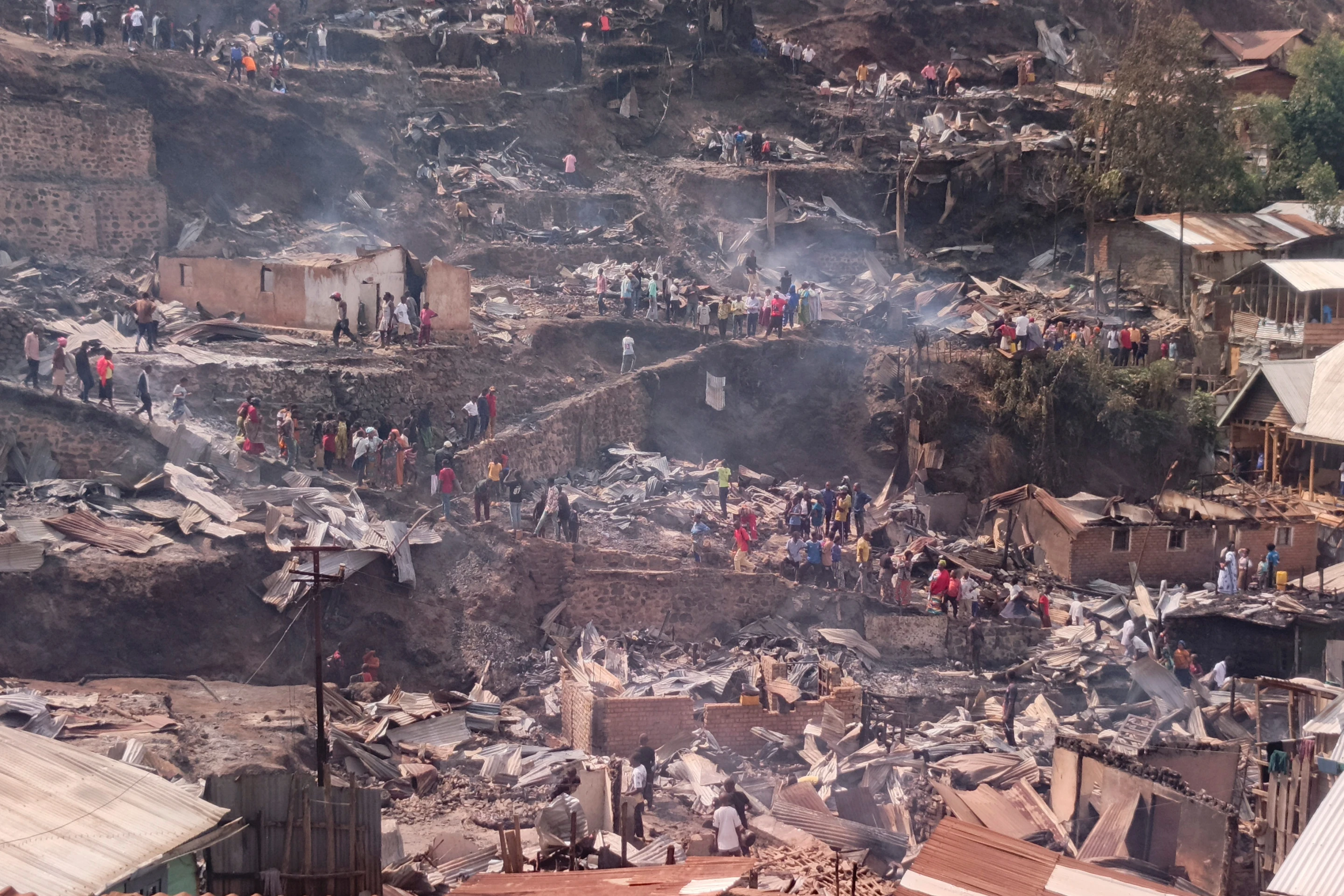
The Rutshuru school fire has cast a brutal spotlight on the catastrophic state of educational infrastructure across eastern Democratic Republic of Congo, where years of armed conflict, chronic government under-investment, and the mass displacement of civilian populations have combined to create a school environment that is not only educationally inadequate but in many cases physically dangerous for the children it is supposed to serve. The United Nations Children's Fund has documented repeatedly in its annual education in emergencies reports that hundreds of schools in eastern Congo operate in structures that would not pass the most basic safety assessments, constructed from flammable materials, lacking fire exits, without smoke detectors or fire suppression equipment of any kind, and often overcrowded to two or three times their intended capacity as communities attempt to accommodate children displaced by conflict. The structural deficiencies are compounded by a near-total absence of systematic building inspection or safety certification processes in areas where government authority is fragmented and civil service capacity has been hollowed out by decades of conflict and institutional neglect. Teachers and local community leaders interviewed in the days following the fire described having submitted repeated written requests to provincial education authorities over the past three years requesting funding for basic fire safety improvements including smoke alarms, fire extinguishers, and metal roof upgrades that would reduce the risk of rapid fire spread. None of these requests had received responses or funding allocations at the time of the disaster. International education advocacy organizations are calling for an immediate emergency audit of school building safety standards across all conflict-affected provinces in the country.
Grief, Accountability, and the Long Road to Reform
In communities across Rutshuru and neighboring territories, the grief following the school fire has quickly given way to deep anger directed at government officials who parents and community leaders accuse of criminal negligence in their failure to address long-known safety hazards at schools serving some of the most vulnerable and traumatized children in the world. Mothers of victims who gathered outside the ruins of the school buildings on Monday morning described the anguish of losing children who had already survived displacement, violence, and the destruction of their homes to the armed conflict raging around them, only to perish in a fire that they believe could easily have been prevented with minimal investment in basic safety infrastructure. Community leaders are demanding that provincial officials be held personally accountable for the deaths and are calling for a transparent public investigation with independent oversight rather than an internal government inquiry that they fear will produce findings designed to minimize institutional liability. National education reform advocates note that the Rutshuru fire is not an isolated incident but part of a recurring pattern of deadly school fires across eastern Congo and other parts of the country that have claimed student lives with disturbing regularity without triggering the systemic safety reforms that could prevent future tragedies. The Education Cannot Wait fund, which provides emergency education financing in crisis contexts, pledged on Monday to expedite disbursement of already-approved funding for school reconstruction and safety upgrades in North Kivu, and urged bilateral donors to match its commitment with additional emergency contributions. For the families of the 26 children who died, however, no amount of policy reform or international pledging can restore what has been lost in the fire that consumed their future.