Croatia Confronts a Pattern of School Violence
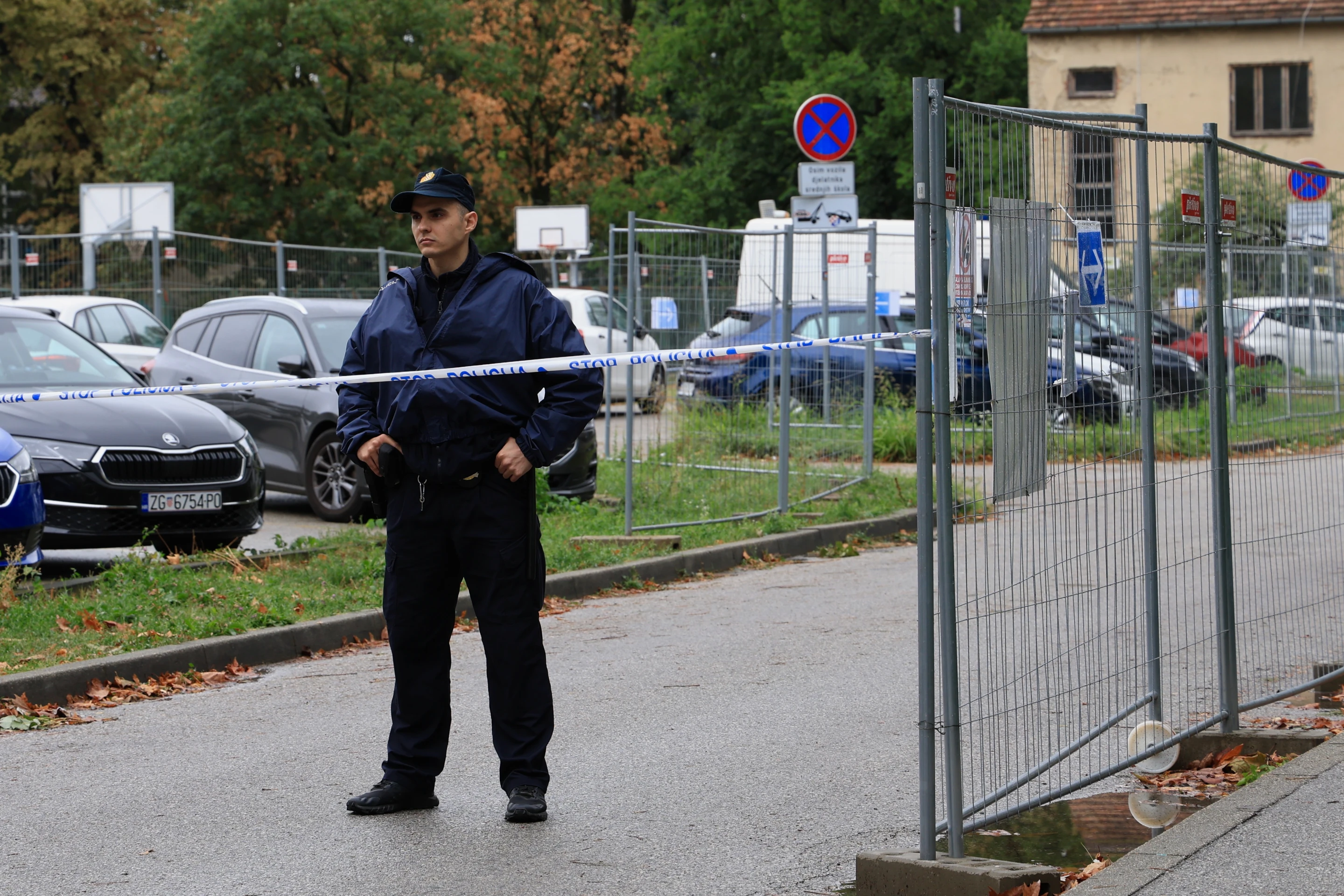
While knife attacks at Croatian schools remain relatively rare compared to European averages and are far less frequent than school shooting incidents in countries like the United States, Thursday's Zagreb stabbing is the third such incident at a Croatian educational institution in the past fourteen months, a pattern that has alarmed parents, educators, and child psychology professionals across the country and prompted growing pressure on the government to take more comprehensive action on school safety and adolescent mental health. The most serious of the previous incidents occurred in April 2025, when a knife-wielding student attacked a teacher and two classmates at a primary school in Split, leaving one child with severe injuries that required emergency surgery. That attack, which received widespread media coverage and sparked protests outside Croatian education ministry offices in Zagreb, prompted the government to announce an accelerated rollout of school security measures including visitor registration systems, increased presence of school counselors, and a pilot program placing trained security staff at a small number of larger secondary schools. Critics argued at the time that the government's response was inadequate and insufficiently focused on the underlying mental health and social integration factors that drive violent behavior among young people who are increasingly isolated, digitally saturated, and under extreme academic and social pressure. Youth psychiatry professionals in Croatia have repeatedly warned of a deteriorating mental health landscape among adolescents, citing rising rates of anxiety, depression, and self-harm that have persisted in the years following the COVID-19 pandemic.
Calls for Systemic Reform Grow Louder
In the immediate aftermath of Thursday's stabbing, Croatian civil society organizations, opposition politicians, and teachers' unions united in calling for an urgent and comprehensive government response that goes well beyond incremental adjustments to school security protocols. The Croatian Teachers Union issued a statement calling on the government to immediately fund a substantial expansion of school counseling and psychologist positions, noting that the current national average of one psychologist per seven hundred students is entirely inadequate to provide meaningful early intervention for students showing signs of distress or behavioral escalation. The Association of Croatian Psychologists similarly called for mandatory mental health screenings as part of annual school enrollment processes and for investment in teacher training programs that equip educators to recognize warning signs and initiate appropriate referrals to mental health professionals. Opposition Social Democratic Party leader Peđa Grbin used the incident to launch a broader attack on the ruling party's education policy, accusing the government of chronically underfunding school counseling services, special education support, and community youth programs while prioritizing infrastructure spending that provides better political optics. The government, for its part, convened an emergency session of the National Council for Schools and Education Safety on Thursday afternoon, with Education Minister Radovan Fuchs pledging to accelerate implementation of a broader school safety strategy that has been under development since the 2025 Split incident. He promised a comprehensive update to parliament within two weeks outlining new investment commitments and concrete policy changes, though opposition legislators expressed skepticism that promises made in the heat of a crisis would translate into sustained and adequately funded action.