BUSINESS
Florida has reportedly filed a lawsuit against OpenAI and CEO Sam Altman, accusing the artificial intelligence company of concealing significant risks associated with ChatGPT, intensifying legal and regulatory scrutiny surrounding the rapidly expanding AI industry.
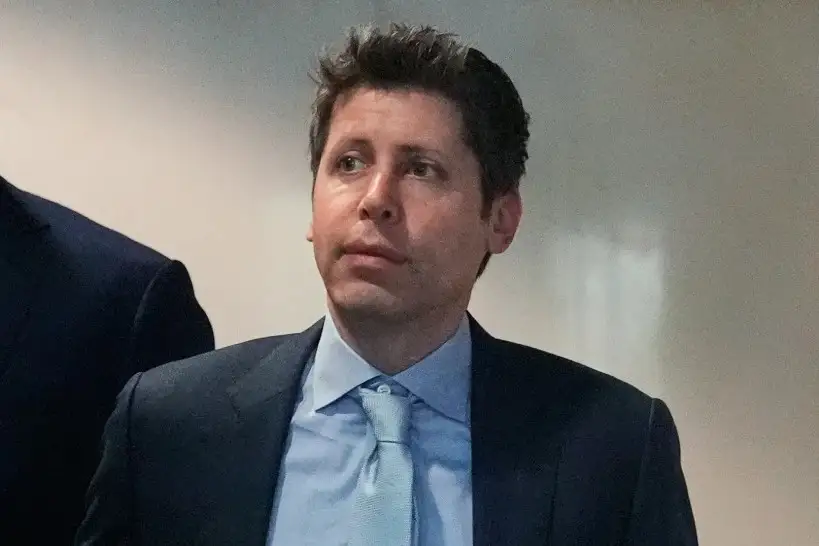
Florida Sues OpenAI and CEO Sam Altman Over Alleged Concealment of ChatGPT Risks
The state of Florida has reportedly launched a major legal challenge against OpenAI and its chief executive officer Sam Altman, alleging that the company failed to adequately disclose and address serious risks associated with its widely used artificial intelligence chatbot ChatGPT, marking one of the most significant state-level legal actions yet against a leading AI developer as governments and regulators around the world increasingly examine the societal, economic, ethical, and security implications of generative artificial intelligence technologies, with the lawsuit reportedly accusing the company of concealing known dangers linked to misinformation, privacy violations, deceptive outputs, manipulation risks, and potential harm to consumers and businesses using AI-generated content, while Florida officials claim that OpenAI prioritized rapid commercial expansion and market dominance over transparency and public safety during the explosive growth of ChatGPT, which has become one of the fastest-adopted consumer technologies in history since its public release, attracting hundreds of millions of users globally and transforming industries ranging from education and media to customer service, finance, software development, healthcare, and marketing, and according to allegations outlined in the legal complaint, state authorities argue that the company did not sufficiently warn users, institutions, and policymakers about the limitations and potential risks of large language models despite internal awareness of concerns surrounding hallucinations, inaccurate outputs, fabricated information, bias, misuse by malicious actors, and the broader societal impact of advanced AI systems capable of generating highly realistic text, code, images, and automated interactions, while the lawsuit also reportedly seeks accountability from OpenAI leadership including Sam Altman for decisions related to AI deployment practices, corporate disclosures, and product safety oversight, intensifying pressure on the company at a time when artificial intelligence regulation is becoming a central political and economic issue in the United States and internationally, as lawmakers, consumer protection agencies, and technology experts continue debating how governments should regulate rapidly advancing AI systems without stifling innovation and competitiveness in the global technology race, particularly as companies across Silicon Valley and the broader tech industry aggressively invest billions of dollars into generative AI research, cloud infrastructure, and enterprise AI services in an effort to secure dominance in what many analysts consider the next major technological revolution, while OpenAI has repeatedly defended its approach to AI development by emphasizing safety research, iterative deployment strategies, external partnerships, and efforts to improve model alignment and reduce harmful outputs through continuous updates and safeguards, with the company frequently highlighting its collaborations with policymakers, academic institutions, and independent researchers to address concerns surrounding responsible AI development and long-term societal impact, yet critics argue that existing safeguards remain insufficient given the extraordinary scale and influence of modern AI systems, especially as generative AI tools become deeply integrated into workplaces, educational environments, online communication platforms, and critical business operations, increasing the potential consequences of inaccurate or manipulated information generated by AI models, and the Florida lawsuit could further intensify national debate over whether current consumer protection laws and technology regulations are adequate to address the unique challenges posed by advanced artificial intelligence systems capable of autonomous reasoning, persuasive communication, and mass-scale content generation, while legal experts suggest the case may also test the boundaries of liability for AI developers regarding the behavior and outputs of large language models, a legal question that remains largely unresolved as courts and regulators worldwide attempt to adapt existing frameworks to rapidly evolving AI technologies, and the legal action arrives during a period of mounting scrutiny facing major AI companies including OpenAI, Google, Microsoft, Meta, and Anthropic, all of which are competing aggressively to release more advanced AI systems and enterprise products while simultaneously facing concerns about data usage, copyright disputes, misinformation, cybersecurity threats, labor displacement, election interference, and ethical governance, and analysts believe the outcome of the Florida lawsuit could influence future regulatory strategies adopted by other U.S.
states and potentially encourage additional legal actions targeting AI developers if courts determine companies can be held responsible for insufficient disclosure of technological risks or consumer harms associated with AI products, while business leaders and investors closely monitor the situation because expanding legal scrutiny could impact valuation models, compliance costs, commercialization strategies, and product deployment timelines across the artificial intelligence industry, especially as AI startups and major technology firms continue seeking massive investments to fund the enormous computational and infrastructure requirements necessary for training and operating cutting-edge AI systems, and despite growing criticism, OpenAI remains one of the most influential and commercially successful AI companies globally due to the popularity of ChatGPT and strategic partnerships with major corporations including Microsoft, which has integrated OpenAI technology across multiple products and cloud services as part of its broader AI expansion strategy, while Sam Altman himself has become one of the most prominent figures in the global AI boom, regularly appearing before lawmakers, investors, and international forums to discuss the opportunities and risks associated with artificial intelligence, often advocating for balanced regulation and international cooperation to address long-term safety concerns surrounding advanced AI systems, and the lawsuit may further intensify public attention on how governments should balance innovation, consumer protection, national competitiveness, and ethical oversight as artificial intelligence technologies become increasingly embedded in everyday life and critical economic infrastructure, while legal proceedings are expected to draw extensive interest from technology companies, regulators, policymakers, investors, and civil society organizations due to the potentially far-reaching implications for the future governance of artificial intelligence and corporate accountability in the rapidly evolving digital economy, and as the case moves forward, industry observers anticipate broader discussions regarding transparency standards, disclosure obligations, AI auditing practices, safety testing requirements, and the responsibilities of developers deploying advanced generative AI tools at global scale, making the lawsuit another major chapter in the intensifying intersection between artificial intelligence innovation, public policy, and regulatory enforcement in the modern technology era..

More News To Explore

Tariffs catch up to resurgent Build-A-Bear, overshadowing financial performance