BUSINESS
Alan Greenspan, the influential former chairman of the U.S. Federal Reserve who guided American monetary policy for nearly two decades, has died at the age of 100, marking the end of a significant chapter in modern economic history.
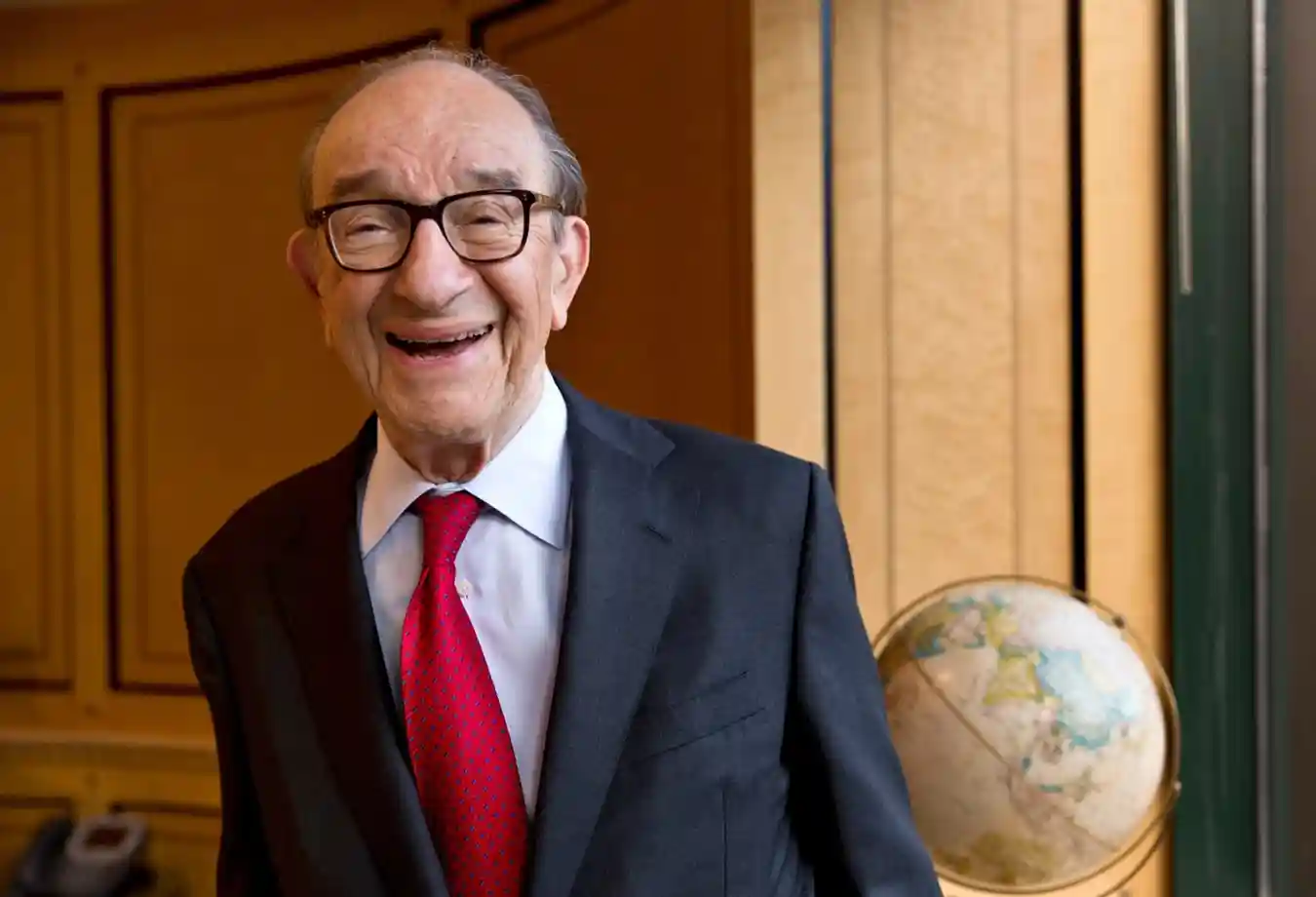
Former Federal Reserve Chairman Alan Greenspan Dies at 100
Alan Greenspan, one of the most influential central bankers in modern history and a towering figure in global finance, has died at the age of 100. His death marks the end of a remarkable era in American economic policymaking that spanned decades and shaped financial markets around the world. Greenspan served as chairman of the Federal Reserve from 1987 to 2006, overseeing U.S. monetary policy through periods of economic expansion, market volatility, technological transformation, and major financial events. During his nearly nineteen-year tenure at the central bank, he became one of the most recognizable and closely watched economic policymakers in the world, earning a reputation for his careful communication style, extensive economic knowledge, and significant influence over interest rates, inflation management, and financial stability. Born in New York City in 1926, Greenspan developed an early interest in economics, statistics, and finance. He pursued academic studies in economics and eventually built a successful career as an economic consultant before entering public service. His expertise in economic forecasting and policy analysis attracted the attention of political leaders, leading to advisory roles in Washington and increasing involvement in national economic discussions. Prior to becoming Federal Reserve chairman, Greenspan served in several government and policy-related positions, gaining experience that would later shape his approach to monetary policy and economic management. When President Ronald Reagan appointed Greenspan to lead the Federal Reserve in 1987, he inherited responsibility for guiding the world's largest economy through a period of significant change. Shortly after taking office, he faced one of his earliest challenges when global stock markets experienced the dramatic crash of October 1987.
The Federal Reserve responded by providing liquidity and reassuring financial markets, actions that were widely credited with helping stabilize the financial system. This early crisis established Greenspan's reputation as a steady and pragmatic central banker capable of responding effectively during periods of uncertainty. Throughout the 1990s, Greenspan presided over one of the longest economic expansions in U.S. history. Low inflation, strong productivity growth, technological innovation, and rising employment contributed to a period of sustained prosperity. During this time, the Federal Reserve played a central role in balancing economic growth with inflation control. Greenspan became known for his nuanced and often deliberately complex public statements, which investors, economists, and policymakers analyzed carefully for clues regarding future monetary policy decisions. His influence extended far beyond the United States, as financial markets around the world frequently reacted to Federal Reserve announcements and economic assessments. One of the most frequently cited moments of Greenspan's tenure occurred in 1996 when he warned about what he described as irrational exuberance in financial markets. The phrase became one of the most famous expressions in modern economic history and reflected concerns that asset prices could become disconnected from underlying economic fundamentals. Although markets continued to rise in subsequent years, the warning remained a notable example of his willingness to highlight potential financial risks even during periods of optimism.
During his leadership, the Federal Reserve navigated numerous economic and financial challenges, including the Asian financial crisis, the Russian debt crisis, the collapse of Long-Term Capital Management, the dot-com boom and bust, and the economic aftermath of the September 11 attacks. In each case, Greenspan and the Federal Reserve sought to maintain financial stability while supporting economic growth. Supporters praised Greenspan for helping sustain economic growth while keeping inflation relatively under control for much of his tenure. Many credited him with contributing to an environment that encouraged investment, entrepreneurship, technological innovation, and job creation. Under his leadership, the Federal Reserve became increasingly influential, and Greenspan himself achieved a level of public recognition rarely attained by central bankers. However, Greenspan's legacy has also been the subject of significant debate. Following the global financial crisis of 2008, economists, policymakers, and analysts reexamined decisions made during the years preceding the crisis. Critics argued that low interest rates, limited financial regulation, and confidence in market self-regulation may have contributed to conditions that allowed financial imbalances to grow. In later years, Greenspan acknowledged that certain assumptions about financial market behavior had proven incorrect and that the crisis exposed weaknesses in prevailing economic theories regarding risk management and financial oversight. His reflections became an important part of broader discussions about the future of financial regulation and central banking. Even after leaving office, Greenspan remained an influential voice on economic matters.
He authored books, delivered speeches, participated in policy forums, and provided commentary on issues ranging from government spending and taxation to global trade and financial markets. His views continued to attract attention from investors, business leaders, academics, and policymakers around the world. Beyond his policy achievements and controversies, Greenspan's career reflected the growing importance of central banking in modern economic governance. During his tenure, globalization, technological change, and increasingly interconnected financial markets transformed the economic landscape, requiring central banks to adapt to new challenges and risks. Tributes from political leaders, economists, financial institutions, and former colleagues have highlighted Greenspan's profound impact on economic policy and global finance. Many described him as one of the defining economic figures of the late twentieth and early twenty-first centuries, whose decisions influenced generations of Americans through their effects on employment, borrowing costs, inflation, investment returns, and economic growth. Historians will likely continue to study Greenspan's tenure for decades, examining both the successes and controversies associated with his leadership. His career encompassed periods of extraordinary prosperity, major market disruptions, and transformative economic change, making him one of the most consequential figures in the history of modern central banking. Alan Greenspan's death at the age of 100 closes an important chapter in the history of American economic policymaking. Whether remembered primarily as a steward of economic growth, a symbol of modern central banking, or a controversial figure whose legacy includes both achievements and criticisms, his influence on monetary policy, financial markets, and economic thought remains firmly established. His life and career left a lasting imprint on the institutions, policies, and economic debates that continue to shape the global economy today..

More News To Explore

Tariffs catch up to resurgent Build-A-Bear, overshadowing financial performance