ENTERTAINMENT
CBS News’ iconic newsmagazine program 60 Minutes faces growing scrutiny as internal tensions, leadership challenges, and shifting media dynamics spark debate about its future. Despite maintaining a strong audience and a reputation for hard-hitting journalism, questions persist about how the long-running broadcast will navigate an increasingly polarized media landscape.
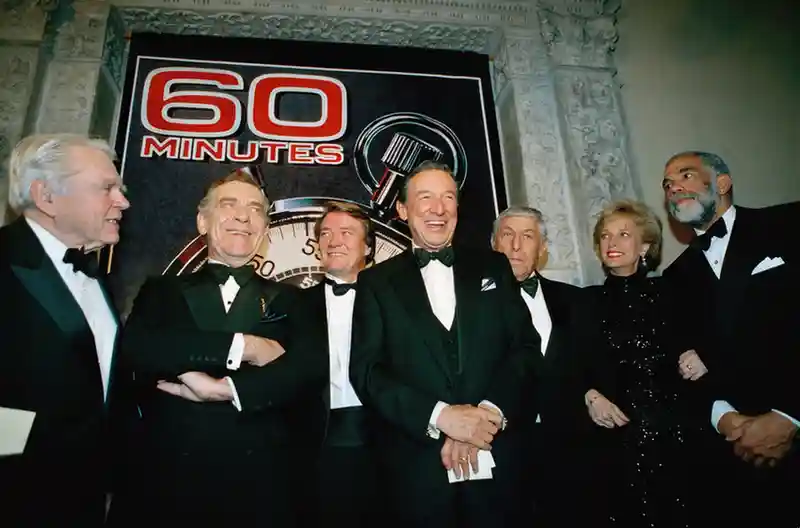
Whither ‘60 Minutes’? As Public Turmoil Grows, Questions Mount Over the Future of CBS News’ Flagship Program
The future of CBS News’ iconic newsmagazine program “60 Minutes” has become a subject of intense discussion as a series of public controversies, leadership changes, corporate pressures, and broader transformations within the media industry continue to fuel uncertainty about the show’s direction. For decades, “60 Minutes” has stood as one of the most respected and influential programs in American journalism, earning a reputation for hard-hitting investigations, in-depth interviews, and rigorous reporting that shaped public discourse across generations. Yet recent developments have prompted observers, media analysts, journalists, and longtime viewers to ask whether the program can maintain its historic stature amid mounting challenges facing both CBS News and the television news business as a whole. The debate extends beyond ratings or individual editorial decisions and touches on larger concerns about journalistic independence, newsroom morale, corporate ownership, audience trust, political scrutiny, and the evolving economics of news production in a digital-first era. Public disagreements involving network leadership, high-profile departures, and questions surrounding editorial oversight have unfolded in unusually visible fashion, drawing attention to internal tensions that traditionally remained behind closed doors. Supporters of the program argue that “60 Minutes” retains extraordinary strengths, including its globally recognized brand, experienced correspondents, loyal audience base, and proven ability to deliver impactful investigative journalism that resonates across platforms.
They point to the show’s continued prominence in ratings and its history of adapting to changing media landscapes as evidence that concerns about its future may be overstated. Critics and skeptics, however, contend that the current environment presents challenges unlike those faced in previous decades, with increasing competition from streaming platforms, social media, independent journalism outlets, podcasts, and digital video producers all competing for audience attention. The broader television industry is also confronting declining linear viewership, changing advertising models, and shifting consumer habits that have forced legacy media organizations to rethink long-standing business strategies. Within this context, any signs of instability at a flagship program such as “60 Minutes” inevitably attract heightened scrutiny. Observers note that the show’s credibility has historically depended on a perception of editorial autonomy and a commitment to pursuing stories regardless of political, corporate, or institutional pressure. Any public perception that these principles are being tested can generate significant debate about the program’s long-term health and reputation.
At the same time, defenders emphasize that internal disagreements are not unusual in major news organizations and that vigorous debate over editorial decisions can be a sign of a functioning newsroom rather than evidence of decline. They argue that the true measure of the program’s health will be reflected not in headlines about organizational turmoil but in the quality, depth, and impact of its reporting over time. Industry experts remain divided on whether recent events represent a temporary period of adjustment or a more fundamental turning point for CBS News and its most celebrated franchise. Some see the current moment as part of a broader reckoning facing legacy media institutions as they navigate technological disruption, audience fragmentation, and growing public skepticism toward news organizations. Others believe the enduring strength of the “60 Minutes” brand provides a significant advantage that many competitors lack, enabling the program to weather controversy while continuing to attract viewers and produce influential journalism. The discussion has also sparked renewed examination of the role flagship news programs play in contemporary media ecosystems, particularly as audiences increasingly consume information through multiple digital channels rather than traditional broadcast schedules.
Questions about succession planning, newsroom culture, resource allocation, investigative priorities, and digital expansion have become intertwined with broader conversations about the future of television journalism itself. Despite the uncertainty, “60 Minutes” remains a powerful symbol of American broadcast journalism and continues to command attention from policymakers, media executives, journalists, and viewers alike. Whether the current turbulence ultimately proves to be a brief chapter in the show’s long history or a signal of deeper structural challenges remains an open question. What is clear is that the debate surrounding the program reflects not only concerns about a single television show but also wider anxieties about the future of trusted journalism institutions in an era defined by rapid technological change, intense political polarization, evolving audience expectations, and relentless competition for public attention. As these pressures continue to unfold in public view, the ultimate health of “60 Minutes” will likely be judged by its ability to preserve its journalistic mission, maintain audience confidence, adapt to changing media realities, and continue delivering the kind of reporting that made it one of the most influential programs in television history..

More News To Explore

Shrey Parikh Wins 2026 Scripps National Spelling Bee After Dramatic Lightning-Round Finish