FINANCE
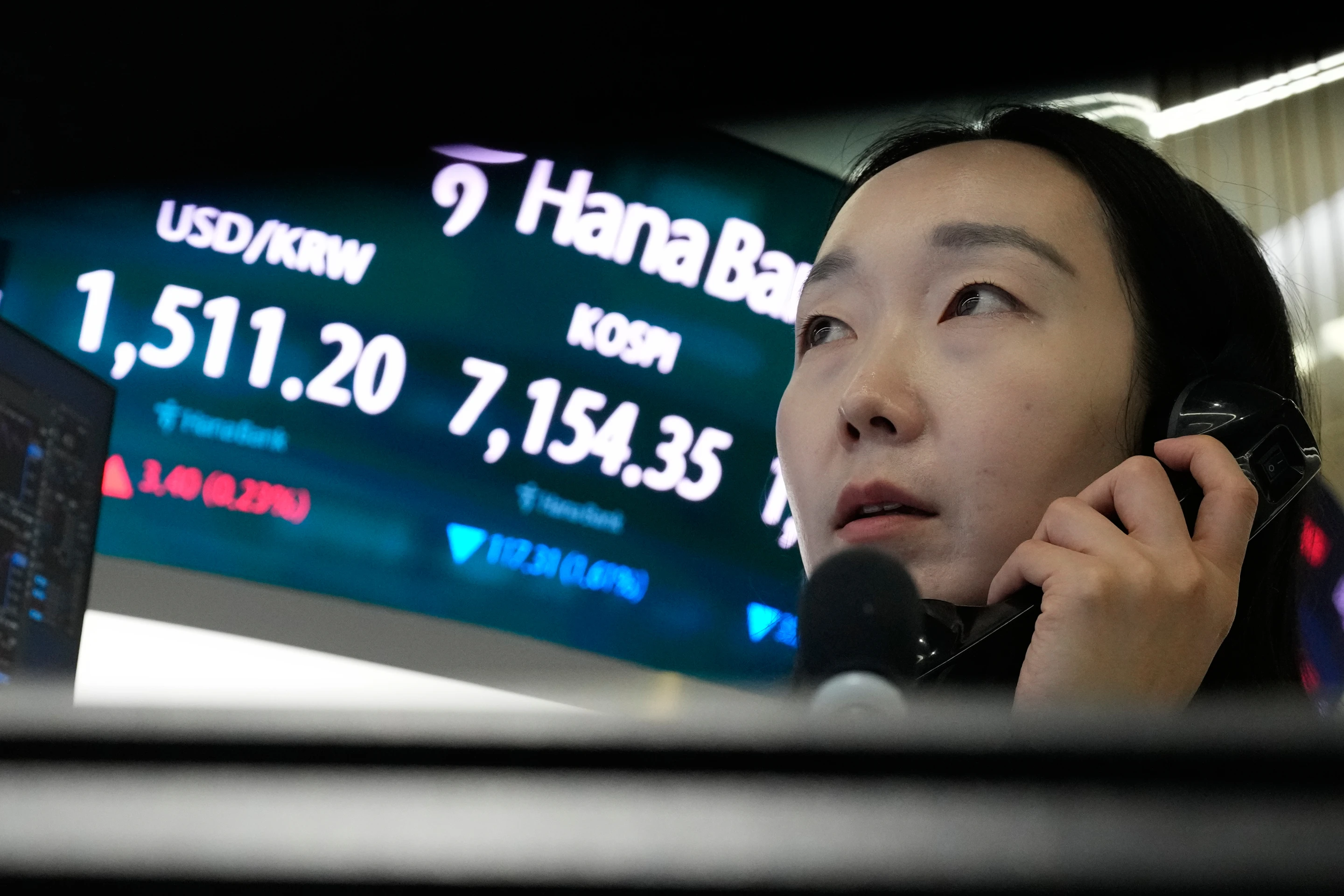
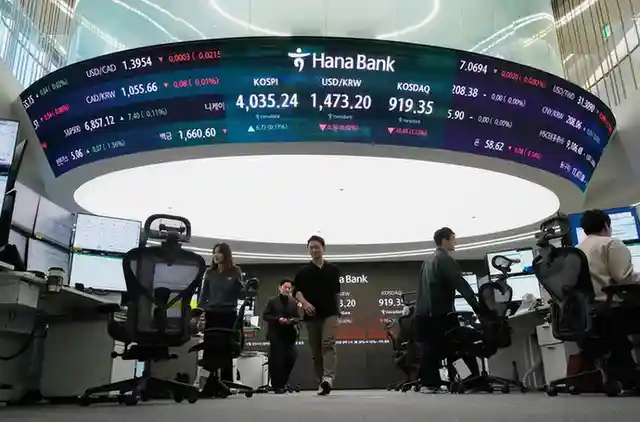
Asian stock markets showed mixed results as Wall Street approached its all-time high. Investors monitored global trends and market sentiment for guidance.
Asian shares are mixed after Wall Street inches closer to its all-time high
Asian shares were mixed on Friday after the U.S. stock market held near its records in a quiet day of trading, with U.S. futures higher and oil prices falling. Japan’s Nikkei 225 trimmed gains from the previous day, shedding 1.2% to 50,408.70 after government data showed household spending fell 3.0% year-on-year in October, below expectations and marking the sharpest drop since January 2024. Technology shares declined, with Advantest Corp. down nearly 2.3% and Tokyo Electron falling 2.8%.
Traders remained cautious ahead of a key U.S. inflation report that could influence Federal Reserve policy, and expectations for a coming rate cut slipped slightly Thursday after reports suggested the job market may be healthier than thought. In Chinese markets, Hong Kong’s Hang Seng index slid 0.1% to 25,921.69, while the Shanghai Composite rose 0.1% to 3,877.83 as traders awaited key Chinese data next week, including inflation, trade, and producer prices, along with signals from high-level economic meetings. South Korea’s Kospi rose 1.1% to 4,074.00, with LG Electronics up 5.6% and Hyundai Motors adding 7.2%. Australia’s S&P/ASX200 edged up less than 0.1% to 8,623.40, Taiwan’s Taiex was nearly unchanged, and India’s Sensex edged 0.1% higher after the Reserve Bank cut its repo rate to 5.25% from 5.5% due to weak price pressures and slowing growth expectations. On Thursday, the U.S.
stock market continued its calm streak following weeks of sharp swings: the S&P 500 inched up 0.1% to 6,857.12, just 0.5% below its record; the Dow dipped 0.1% to 47,850.94; and the Nasdaq rose 0.2% to 23,505.14. Dollar General rallied 14% after reporting stronger-than-expected quarterly profits, with more customers shopping and improved profitability per dollar of sales. Ongoing concerns about potential overinvestment in AI and uncertainty over Federal Reserve interest-rate decisions have caused volatility since the S&P 500’s late-October record. Investors generally expect the Fed to cut rates next week to support the slowing jobs market, which would be the third cut this year, though lower rates risk worsening inflation that remains above the 2% target. Hopes for a cut dimmed slightly after new data showed fewer unemployment claims—the lowest in over three years—and layoffs falling sharply from October’s surge, suggesting the job market may not require as much rate-cut support. In Friday dealings, U.S.
benchmark crude fell 17 cents to $59.50 per barrel, while Brent crude slipped 11 cents to $63.15. The U.S. dollar eased to 154.77 Japanese yen from 155.12 yen, and the euro ticked up to $1.1657 from $1.1645..

More News To Explore
Asian Shares and Oil Prices Mixed After US Launches Strikes in Southern Iran