SPORTS
Former NBA center Jason Collins, who made history as the league’s first openly gay active player, has died at 47 after battling brain cancer.
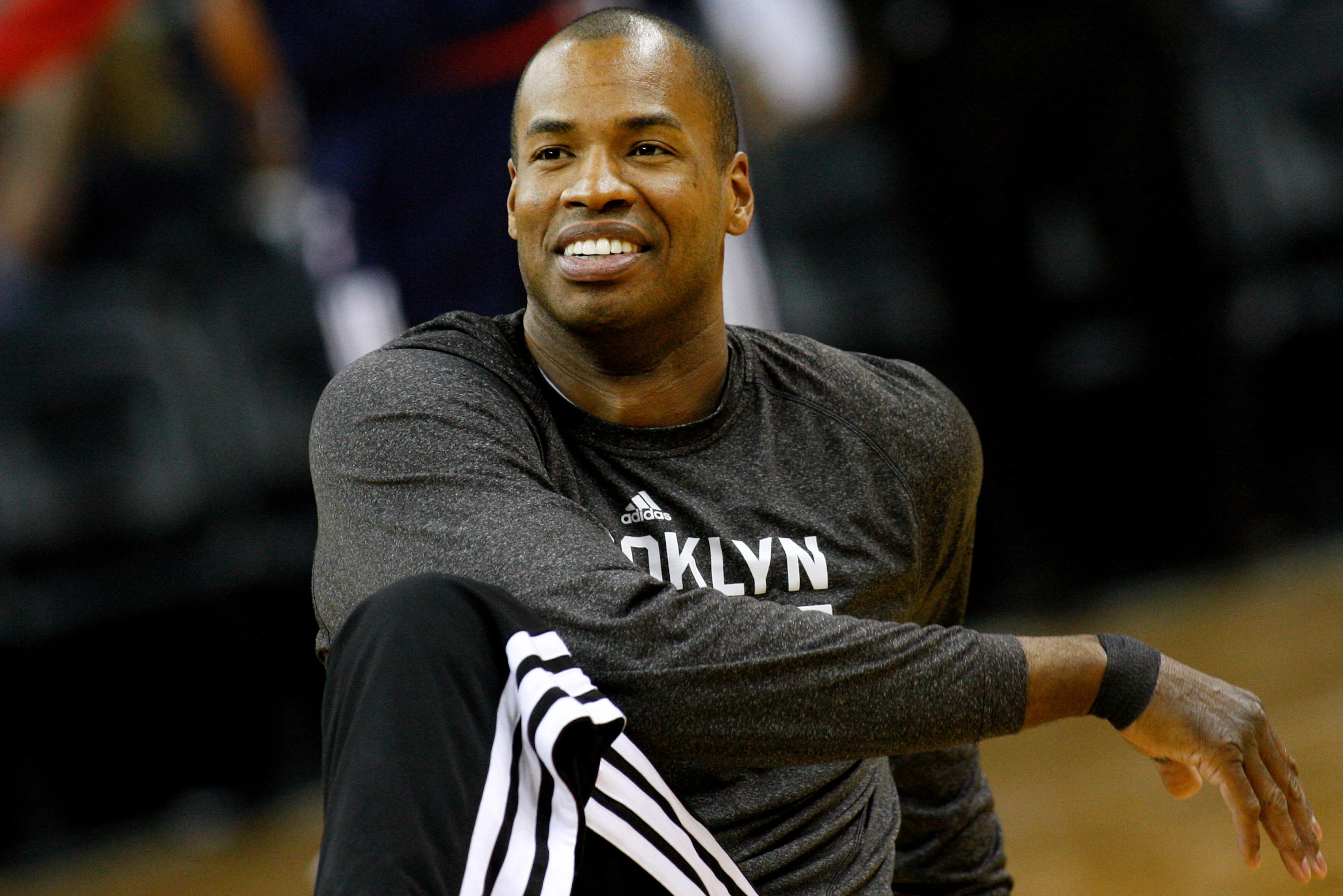
Jason Collins, NBA’s first openly gay player, dies at 47 of brain cancer
Former NBA player , who became the first openly gay active player in NBA history and later emerged as a major advocate for inclusion and equality in sports, has died at the age of 47 after an eight-month battle with Stage 4 glioblastoma, an aggressive form of brain cancer, according to a statement released Tuesday by his family through the , ending the life of a player whose impact extended far beyond basketball because of the historic role he played in changing attitudes toward LGBTQ+ athletes in professional sports and the example he set through his courage, leadership, and public advocacy, while his family said Collins inspired countless people both personally and publicly and thanked supporters for their prayers and compassion during his illness as well as the doctors and nurses who cared for him throughout his treatment, with tributes immediately arriving from around the basketball world, including from NBA Commissioner , who praised Collins for helping make the NBA, WNBA, and the broader sports community more inclusive and welcoming for future generations while also recognizing his professionalism, leadership, and humanitarian work as an NBA Cares ambassador, and Collins had only recently been selected to receive the inaugural Bill Walton Global Champion Award at the Green Sports Alliance Summit in recognition of his advocacy and influence, though he was too ill to attend the ceremony and the award was accepted by his twin brother , who emotionally described Jason as the bravest and strongest man he had ever known, reflecting the close relationship shared by the brothers who both starred at before reaching the NBA, where Jason Collins built a respected 13-year career playing for six franchises including the , , , , , and , averaging 3.6 points and 3.7 rebounds while becoming known as a reliable defensive center and valued teammate who contributed to the Nets reaching two NBA Finals appearances during his career, while his best statistical season came in 2004-05 when he averaged 6.4 points and 6.1 rebounds, though Collins became internationally recognized in 2013 when he publicly announced in a first-person essay published by that he was gay, making him the first openly gay active male athlete in one of America’s four major professional sports leagues and breaking a barrier many believed impossible because of the stigma and pressure surrounding sexuality in men’s professional athletics, with Collins writing at the time that he wished someone else had already taken the step before him but felt compelled to do so because nobody else had, a decision that was widely praised across sports, politics, and civil rights communities, drawing support from athletes such as as well as public figures including former President , while Collins later explained that his decision to come forward was partly influenced by seeing former classmate and future congressman openly participate in Boston’s gay pride parade while he himself still felt unable to publicly acknowledge his sexuality, illustrating the emotional pressure he had carried for years within professional sports culture, and Collins used his platform not only to advocate for LGBTQ+ acceptance but also to honor victims of anti-gay violence, including by wearing jersey number 98 as a tribute to , the gay college student murdered in Wyoming in 1998 in a crime that became a defining moment in national conversations about hate crimes and LGBTQ+ rights, while after retiring Collins remained active as a speaker, mentor, and advocate focused on equality and inclusion initiatives throughout sports and society, earning widespread respect for his integrity, intelligence, and compassion, with former teammate and coach describing Collins as a pioneer whose courage changed lives and remembering him as an incredible teammate and friend, while the praised Collins for boldly changing the conversation around LGBTQ+ representation in athletics and called him a lasting legend within the community because his public honesty helped future athletes feel more accepted and less alone, and longtime agent said Collins’ courage transcended basketball itself because of the profound impact his decision had on countless people inside and outside sports, while moments of silence were held before NBA playoff games to honor Collins and recognize the influence he had on the league and society more broadly, and former Stanford coach remembered him as one of the greatest players in Stanford basketball history as well as a bright, kind, skilled, and unique person whose legacy would continue to inspire future generations, ensuring that Jason Collins will be remembered not only for his basketball career but also for the historic barrier he broke and the lasting cultural impact he made through his courage, dignity, and commitment to equality..
More News To Explore
Tomas Hertl’s Late Winner Lifts Golden Knights Past Hurricanes 5-4 in Stanley Cup Final Opener