The Iran Conflict Echoes on the Anniversary
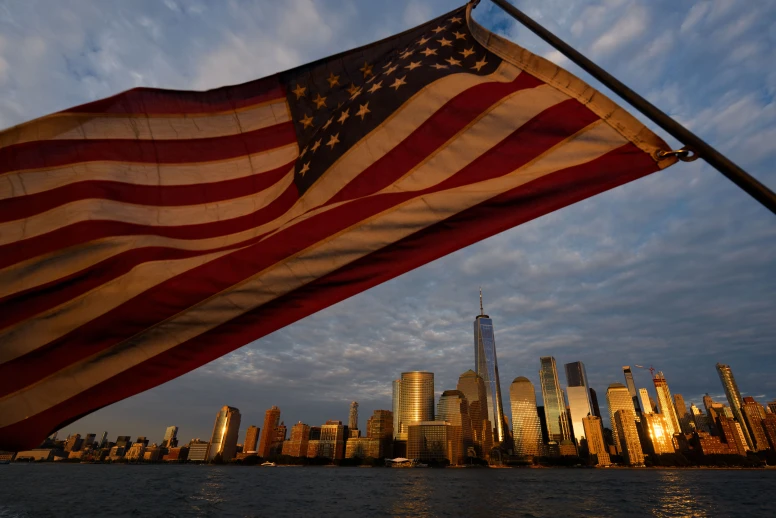
The somber atmosphere of the anniversary ceremonies was counterpointed throughout the day by urgent news from the Persian Gulf, where the US military confrontation with Iran over access to the Strait of Hormuz continues with no clear path to resolution, drawing unavoidable and uncomfortable comparisons to the post-9/11 wars in Afghanistan and Iraq that consumed American resources, lives, and strategic attention for two decades without producing the stable outcomes their architects promised. For veterans of those wars, many of whom gathered at memorial events across the country on Thursday, the sight of American warships again operating under fire in the Persian Gulf triggered a complex mixture of duty-bound pride and battle-weary concern about whether the country is about to repeat the pattern of using overwhelming military force to achieve objectives that ultimately require political solutions that force cannot deliver. Congressional leaders from both parties used the anniversary as an occasion to press the administration for a clearer strategic framework for the Iran conflict, with Senate Armed Services Committee Chairman Jack Reed convening an emergency classified briefing on Thursday afternoon that members described afterward as providing detailed operational updates but limited clarity on the endgame. Public opinion polling conducted this week shows that a slim majority of Americans support the military operations in the Strait of Hormuz but that support erodes significantly when pollsters describe scenarios involving extended conflict, ground operations, or US casualties above a relatively low threshold, suggesting the political foundation for a sustained military campaign is narrower than the initial rallying effect might indicate.
Republicans Begin Imagining Life After Trump
In hushed conversations at anniversary events, Republican Party gatherings, and donor retreats that took place around the country this week, a topic that has been almost entirely taboo within the Republican Party for several years is beginning to surface with increasing frequency and decreasing embarrassment: what does the Republican Party look like after Donald Trump is no longer its defining figure, and who among the current generation of Republican politicians has the coalition, the vision, and the temperament to lead the party into a post-Trump era? Trump himself remains the most prominent figure in Republican politics, with approval ratings among self-identified Republicans that most politicians would envy, and his influence over the party's donor networks, activist base, and media ecosystem remains formidable. But a combination of his advancing age, the legal cloud that continues to hang over his various civil and criminal matters despite the termination of most federal prosecutions, and the natural political cycle that tends to produce leadership transitions in any major party over time has created a growing space for speculation about successors that Republican politicians and strategists are beginning to fill, carefully, with tentative ambition. Florida Governor Ron DeSantis, whose 2024 presidential campaign collapsed but who has rebuilt his national standing through a series of high-profile policy battles in Florida, is seen by some as a potential standard-bearer for a Trumpism-without-Trump approach. Senators Marco Rubio, JD Vance, and Tom Cotton each represent different versions of how a post-Trump Republican Party might position itself ideologically, and each has begun the quiet donor outreach and relationship-building that precedes formal consideration of a presidential run. The question of who can unite a party whose factions were held together primarily by personal loyalty to a singular figure rather than by shared ideology remains entirely open.