Federal Reserve Caught Between Competing Risks
The Federal Open Market Committee, which sets US interest rate policy, meets again in three weeks, and Wednesday's inflation report has done little to resolve the internal disagreements among committee members about the appropriate policy path that have been simmering for months beneath the surface of public statements that have emphasized unity and data-dependence. A faction within the committee, associated publicly with the views of Fed Governor Christopher Waller and Kansas City Fed President Jeffrey Schmid, has argued that the persistence of inflation above the 2 percent target even two years into the tightening cycle demonstrates that policy rates are still not sufficiently restrictive and that additional increases may be warranted despite the slowing of economic growth. A competing faction, whose thinking is closest to that of Chicago Fed President Austan Goolsbee and San Francisco Fed President Mary Daly, has emphasized that monetary policy affects the economy with significant lags, that the full impact of the tightening already delivered has not yet been felt across the economy, and that the risks of overtightening — triggering a recession that pushes unemployment significantly higher — are at least as serious as the risk of allowing inflation to remain modestly above target for a longer period. Chair Jerome Powell, who has consistently sought to project unity while keeping genuine optionality about the policy path, is under pressure from both directions as the committee approaches its next decision. Financial markets are pricing approximately even odds of one more rate increase and no further increases, a near-perfect expression of genuine uncertainty rather than a clear consensus view about the appropriate path.
Economic Impact on American Households
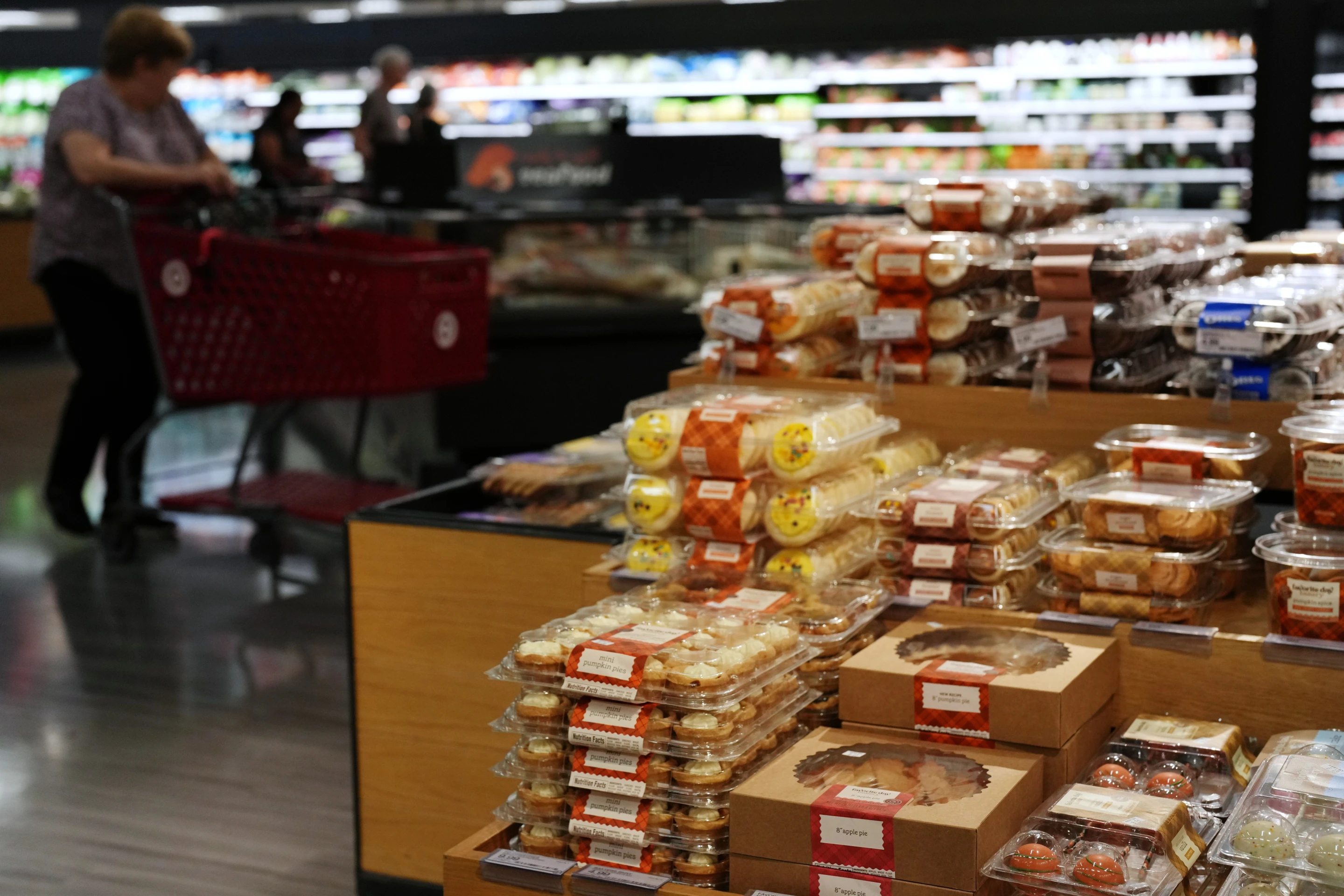
The macroeconomic debate about interest rates and inflation targets matters enormously to the Federal Reserve, financial markets, and economic policymakers, but for the majority of American households, the lived experience of the current inflationary environment is less about CPI statistics and more about the concrete reality of grocery bills that remain dramatically higher than they were four years ago, mortgage rates that have priced millions of would-be homebuyers out of the market they hoped to enter, and the psychological fatigue of a prolonged period of economic uncertainty that has ground down consumer confidence even as headline economic indicators like unemployment and GDP growth have remained relatively strong. The University of Michigan Consumer Sentiment Index, released Friday, fell to its lowest level since early 2023, with survey respondents citing gasoline price increases, grocery costs, and worry about the economic impact of the Middle East conflict as primary concerns. Particularly notable in the survey data is that inflation expectations among consumers for the next 12 months have moved higher for the first time in seven months, a development Fed officials watch closely because persistent expectations of higher inflation can become self-fulfilling through the wage negotiations and price-setting decisions of workers and businesses. The housing market, which has been essentially frozen by the combination of high mortgage rates and low inventory as existing homeowners with sub-3 percent pandemic-era mortgages refuse to sell into a 7-percent-rate environment, shows little sign of thawing and represents one of the most painful points of economic stress for younger Americans who increasingly view homeownership as an unattainable aspiration rather than a realistic life goal.