State Officials and Civil Liberties Groups Push Back
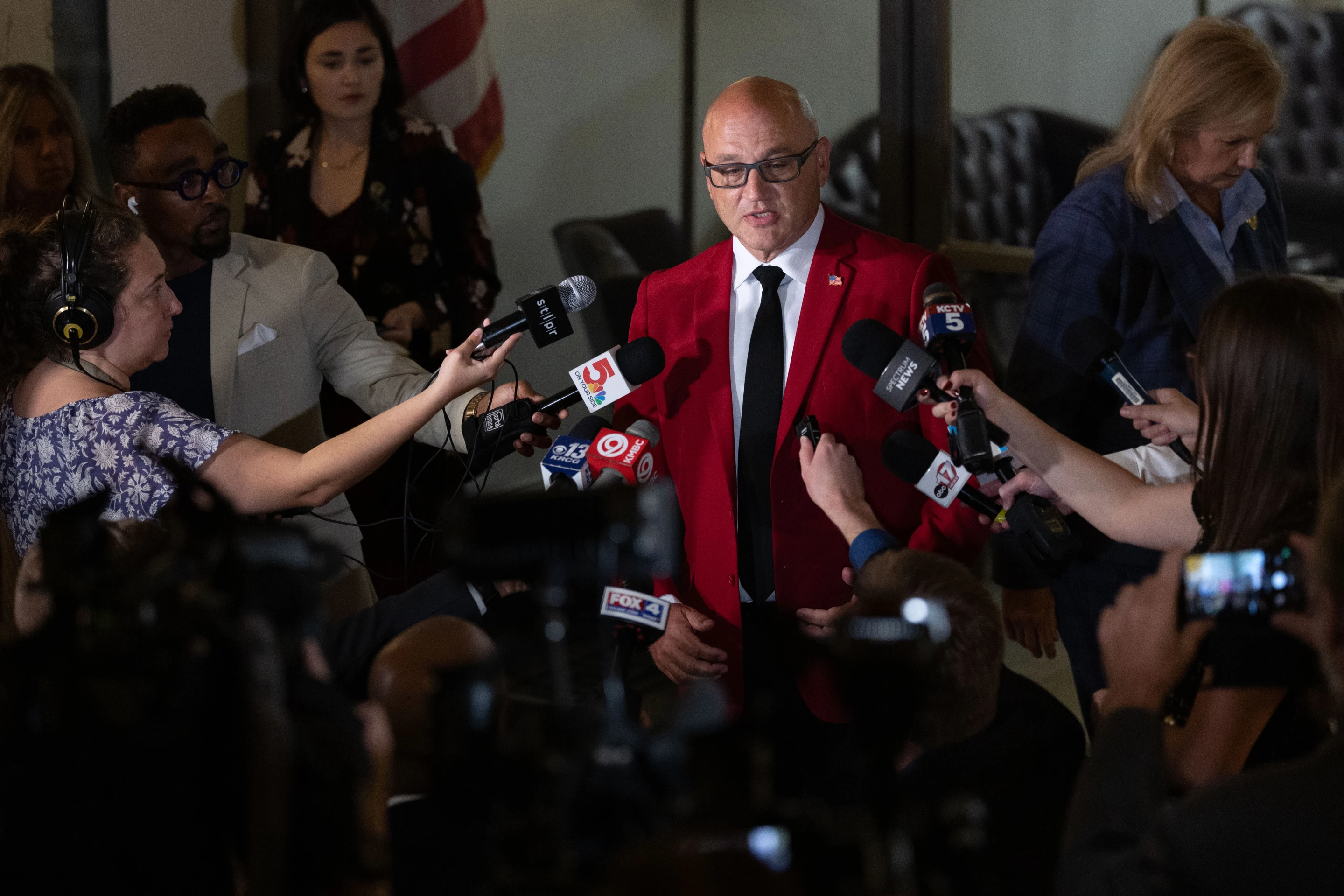
The Justice Department's voter data request has generated an immediate and unusually bipartisan pushback from state election officials who are asserting their authority over election administration and questioning the federal government's legal right to compel the production of comprehensive voter databases that states are required by federal law to maintain but that have historically been treated as sensitive data subject to significant access restrictions. Secretaries of state from both Democratic and Republican-leaning states convened an emergency conference call on Wednesday, emerging with a joint statement asserting that the DOJ request exceeds federal statutory authority, conflicts with state laws governing access to voter registration data, and poses serious privacy risks to millions of voters whose personal information would be consolidated into a federal database without their consent. The American Civil Liberties Union filed emergency motions in federal courts in three states on Thursday seeking injunctions blocking compliance with the voter data production requests, arguing that the aggregation of voter registration information at the federal level without adequate legal basis and privacy protections constitutes an unconstitutional infringement on voters' First and Fourth Amendment rights. The Brennan Center for Justice described the initiative as the most aggressive federal intrusion into state-managed election systems in the modern era and called on Congress to hold immediate hearings to examine the legal basis for the request and the intended use of the data. Several Republican senators who normally align with the Trump administration's policy agenda expressed discomfort with the federal data request, reflecting long-standing conservative principles about state sovereignty over election administration.
Questions About Intent and Implications
Underlying the legal and procedural disputes over the Justice Department's voter data initiative is a fundamental question about the genuine purpose of the request that officials have declined to answer with specificity, leaving states, civil liberties groups, and the public to speculate about what the department actually intends to do with a comprehensive national voter database of the kind it is seeking to assemble. DOJ press secretary Xochitl Hinojosa told reporters in a briefing on Thursday that the requests are part of ongoing civil rights enforcement activities and election integrity investigations that the department is not in a position to discuss in detail while they are active, a statement that critics described as an insufficient basis for requiring states to turn over the personal information of more than 150 million registered voters. The opacity about the request's purpose is particularly concerning to those who note that some of the DOJ's recent actions regarding elections have been motivated by claims about the 2020 and 2024 elections that courts, election security officials, and independent investigators have repeatedly found to be without factual basis. Several election law scholars have raised the possibility that the voter data, if obtained, could be used to identify and target voters for investigations into noncitizen voting or voter fraud — allegations that Republican politicians have consistently raised but that documented evidence shows occur at minuscule rates that have never affected the outcome of any federal election. The episode is unfolding at a moment of already heightened anxiety about the integrity and independence of federal law enforcement institutions, adding another dimension of political sensitivity to what would in other circumstances be a straightforward administrative request.