WORLD
The United States and Iran have reached a preliminary agreement aimed at ending hostilities, reopening key shipping routes, and reviving nuclear negotiations. Here's what both sides hope to gain from the deal.
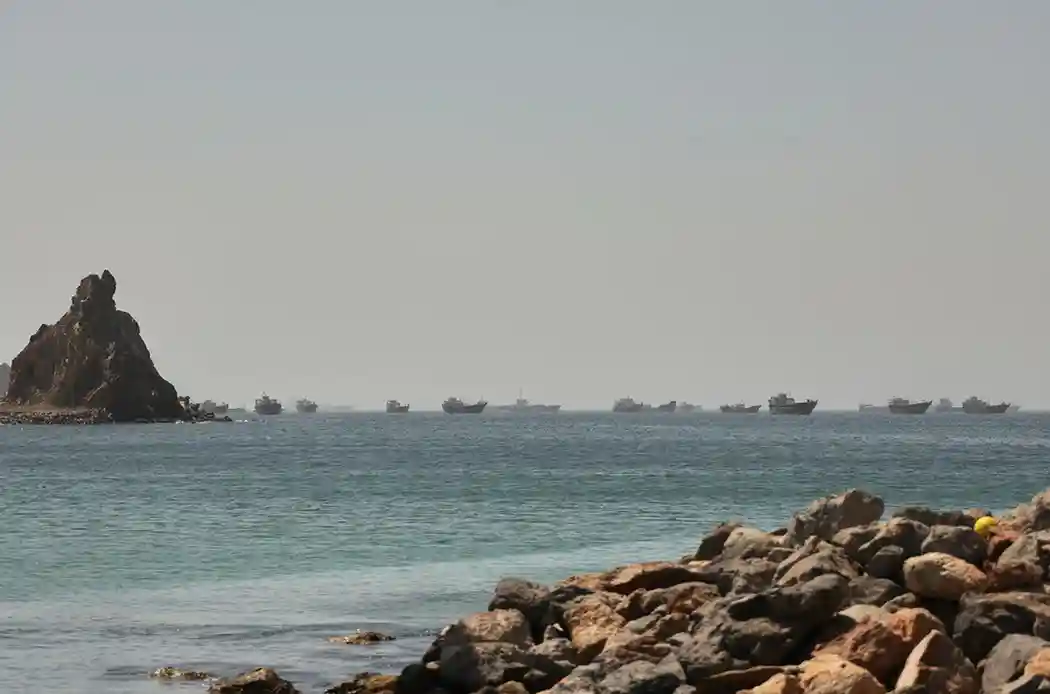
What Do Iran and the US Stand to Gain From Their Deal? Here’s What to Know
The United States and Iran have entered a preliminary agreement designed to halt months of escalating tensions and lay the groundwork for broader negotiations, marking one of the most significant diplomatic developments between the two countries in years. The deal seeks to end military hostilities, restore stability in the Gulf region, reopen the Strait of Hormuz, and create a framework for resolving disputes over Iran’s nuclear program. For the United States, the agreement offers several strategic advantages. One of the most immediate benefits is the reopening of the Strait of Hormuz, a critical maritime passage through which a significant portion of the world’s oil supply flows. Disruptions in the waterway had raised fears of higher energy prices and global economic instability. By securing safe passage for commercial vessels, Washington hopes to stabilize energy markets and reduce inflationary pressures linked to oil prices. The deal also creates an opportunity for the United States to pursue renewed negotiations over Iran’s nuclear ambitions. American officials have long argued that preventing Tehran from developing nuclear weapons is a key national security objective. The agreement provides a 60-day window for technical discussions and further diplomacy, allowing Washington to seek stronger verification measures and longer-term restrictions. In addition, the deal enables the United States to avoid a prolonged and costly military conflict in the Middle East. A broader war involving Iran could have drawn in regional allies, disrupted international trade, and required extensive military resources. Diplomacy offers a chance to reduce those risks while maintaining pressure through phased negotiations.
Another benefit for the United States is the potential restoration of maritime security in the Persian Gulf. Safe shipping lanes are essential for global commerce, and a reduction in tensions could reassure allies and trading partners. Improved stability also strengthens the US position as a diplomatic actor capable of managing conflicts through negotiation rather than force. For Iran, the agreement brings much-needed economic relief after years of sanctions and months of conflict. One of Tehran’s main objectives is gaining access to frozen assets held abroad and securing waivers that would allow increased oil exports. Iran’s economy has been under severe pressure from sanctions, inflation, and currency depreciation. Increased oil sales could provide a vital source of revenue and help stabilize domestic markets. The agreement also offers Iran a pathway toward broader sanctions relief if negotiations progress successfully. Although many restrictions remain in place, the prospect of easing financial barriers could encourage investment and improve economic conditions. Tehran hopes that greater access to international markets will support infrastructure projects, strengthen industries, and create jobs. Another major gain for Iran is the lifting of maritime restrictions affecting its ports and shipping. The ability to move goods more freely could boost trade and reduce logistical challenges that have hampered economic growth.
Reopening access to international shipping networks would help Iran reconnect with commercial partners and improve supply chains. Politically, the agreement allows Iran to demonstrate that diplomacy can produce tangible benefits without abandoning key national interests. Iranian leaders have emphasized that they are willing to engage in negotiations while preserving sovereignty and maintaining peaceful nuclear activities. By entering talks, Tehran can portray itself as open to compromise while seeking economic advantages. The agreement also reduces the immediate threat of military escalation. A prolonged conflict with the United States and its allies could have devastating consequences for Iran’s infrastructure and economy. The ceasefire framework provides breathing space and creates an opportunity to focus on reconstruction and domestic priorities. Both countries also share an interest in avoiding further disruption to global energy markets. High oil prices affect consumers worldwide and can trigger economic instability. Restoring normal shipping and oil flows benefits producers and consumers alike while reducing uncertainty in financial markets. Despite these potential gains, major challenges remain. The agreement does not fully resolve disagreements over Iran’s nuclear program, ballistic missiles, or regional influence.
Questions about verification, sanctions relief, and compliance are likely to dominate upcoming negotiations. There are also concerns about the role of regional actors and the durability of the agreement. Supporters argue that the deal represents a pragmatic effort to prevent further conflict and create conditions for more comprehensive diplomacy. Critics contend that both sides may receive concessions without guaranteeing lasting changes in behavior. Nevertheless, the preliminary agreement marks a significant step toward de-escalation after a period of heightened tensions. For the United States, the deal offers an opportunity to secure maritime stability, pursue nuclear negotiations, and avoid another costly war in the Middle East. For Iran, it provides prospects for economic recovery, increased oil exports, and relief from some of the pressures imposed by sanctions and conflict. Whether the agreement evolves into a lasting framework will depend on future negotiations, mutual trust, and the willingness of both sides to honor their commitments. While uncertainties remain, the deal underscores the importance of diplomacy in addressing complex geopolitical disputes and highlights the shared interest of both nations in preventing a wider crisis that could have far-reaching consequences for regional and global stability..

More News To Explore
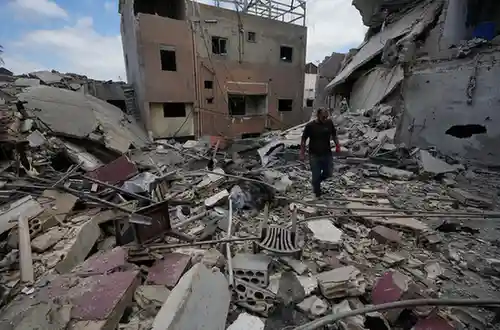
Israel and Hezbollah Exchange Heavy Fire Near Strategic Lebanese River After Overnight Strikes