WORLD
The World Health Organization has declared the Ebola outbreak in the Democratic Republic of Congo and Uganda a global health emergency after hundreds of suspected cases and dozens of deaths linked to the rare Bundibugyo strain.
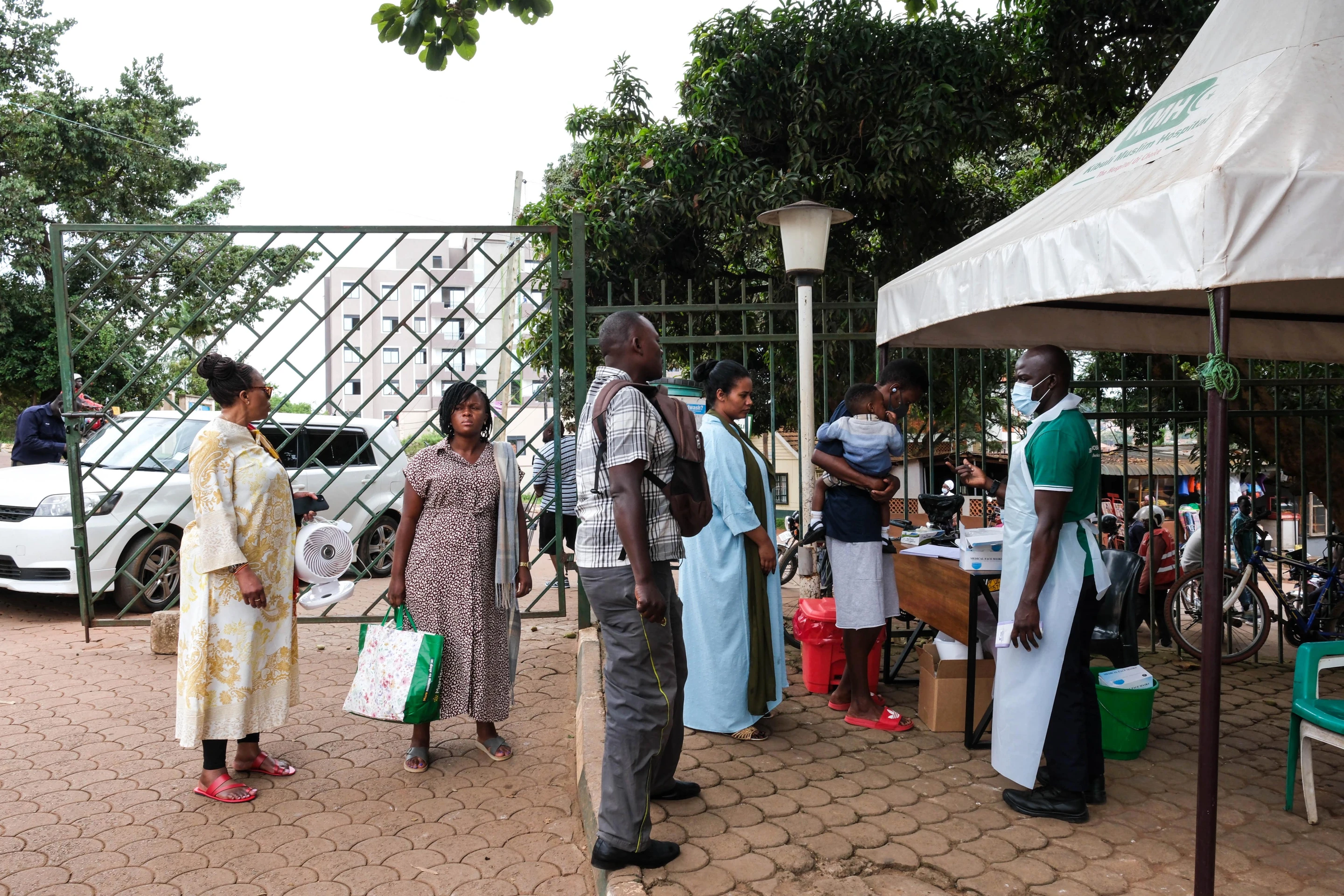
WHO Declares Global Health Emergency Over Ebola Outbreak in Congo and Uganda
The World Health Organization (WHO) on Sunday declared the Ebola outbreak in the Democratic Republic of Congo and neighboring Uganda a Public Health Emergency of International Concern after more than 300 suspected cases and 88 deaths were reported. Although WHO said the outbreak does not currently meet the criteria for a pandemic-level emergency like COVID-19, officials warned that the virus poses a serious regional and international health risk. The declaration is intended to encourage global coordination, funding, and emergency response efforts while WHO advised against closing international borders. Health authorities confirmed that the outbreak is caused by the Bundibugyo virus, a rare strain of Ebola for which there are currently no approved vaccines or treatments. This is only the third known outbreak involving the Bundibugyo variant, following previous outbreaks in Uganda in 2007-2008 and in Congo in 2012. WHO said all but two of the confirmed cases are in Congo, while the two Ugandan cases involved people who had recently traveled from Congo. The outbreak has spread beyond its epicenter in Ituri province in eastern Congo.
WHO confirmed a laboratory-tested Ebola case in Congo’s capital, Kinshasa, located about 1,000 kilometers away from the original outbreak zone, raising fears of wider transmission. Additional suspected cases have also been reported in North Kivu province and in the eastern city of Goma, where local authorities confirmed the first Ebola infection on Sunday. The infected person had traveled from Ituri and was placed in isolation. Goma has already been destabilized by conflict between Congolese forces and the Rwanda-backed M23 rebel group, which has displaced hundreds of thousands of residents. Ebola is a highly contagious disease transmitted through direct contact with bodily fluids such as blood, vomit, or semen. It causes severe symptoms and is often fatal. WHO officials warned that the high percentage of positive test results, combined with cases appearing in Uganda and major urban centers, suggests the outbreak may be significantly larger than currently detected.
WHO Director-General Tedros Adhanom Ghebreyesus said there remain major uncertainties regarding the actual number of infections and the full geographic spread of the virus. In response to the crisis, WHO and Congo’s Ministry of Health deployed a team of 35 experts to Bunia, the capital of Ituri province, along with seven tons of emergency medical supplies and equipment. However, experts say ongoing armed conflict, militant violence, and large-scale migration linked to mining activities are making containment and contact tracing extremely difficult. Africa CDC Director-General Jean Kaseya warned that many active cases remain in communities, especially in the town of Mongwalu, where the outbreak first emerged. The outbreak appears to have gone undetected for weeks before authorities recognized it. According to Africa CDC, the first known suspected patient, a 59-year-old man, developed symptoms in late April and died days later. By the time the outbreak was publicly reported on May 5, at least 50 deaths had already occurred.
WHO also confirmed that several healthcare workers have died after showing Ebola symptoms, highlighting the dangers facing frontline medical staff. U.S. health officials said the risk to Americans remains low, though the Centers for Disease Control and Prevention (CDC) has increased monitoring efforts. The CDC issued travel advisories urging Americans traveling to Congo and Uganda to avoid contact with individuals showing symptoms such as fever, rash, and muscle pain. The agency is also working with international partners and preparing additional personnel to assist with outbreak control measures in the region. .

More News To Explore
Trump Says Pilots Safe After U.S. Apache Helicopter Crashes Near Strait of Hormuz