FINANCE
Asian stock markets and oil prices showed mixed reactions after the United States launched military strikes in southern Iran, as investors weighed geopolitical tensions, energy supply concerns, and uncertainty surrounding possible diplomatic negotiations.
Asian Shares and Oil Prices Mixed After US Launches Strikes in Southern Iran
Asian stock markets and world oil prices had mixed results after the United States’ military strikes in southern Iran, which added to geopolitical uncertainty across the Middle East and investors were watching closely for any economic and security fallout from the escalating conflict. Asian financial markets were on edge as traders weighed the impact of the strikes on regional stability, global energy supply, inflation threats, shipping routes and the broader outlook for international commerce and economic growth. The reported strike targeted facilities and strategic locations in southern Iran amid rising tensions involving maritime security concerns and ongoing confrontations linked to the wider regional conflict. US officials described the operation as a defensive measure to protect commercial shipping and allied interests near critical waterways. The strikes sparked immediate concerns about possible disruptions to the Strait of Hormuz, a key global oil transit route that carries a large share of the world's daily crude oil and liquefied natural gas shipments, and energy markets are sensitive to events in the region.
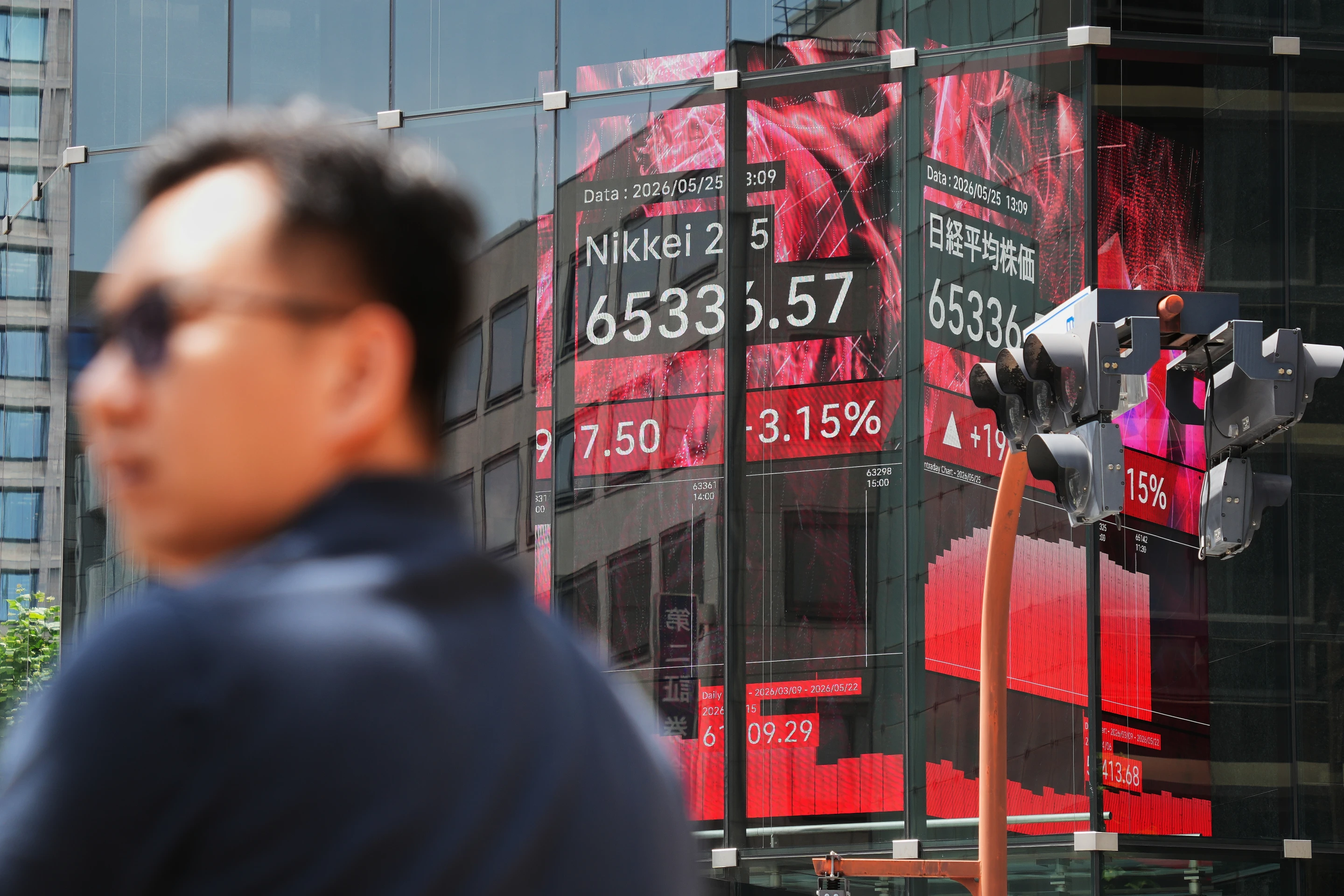
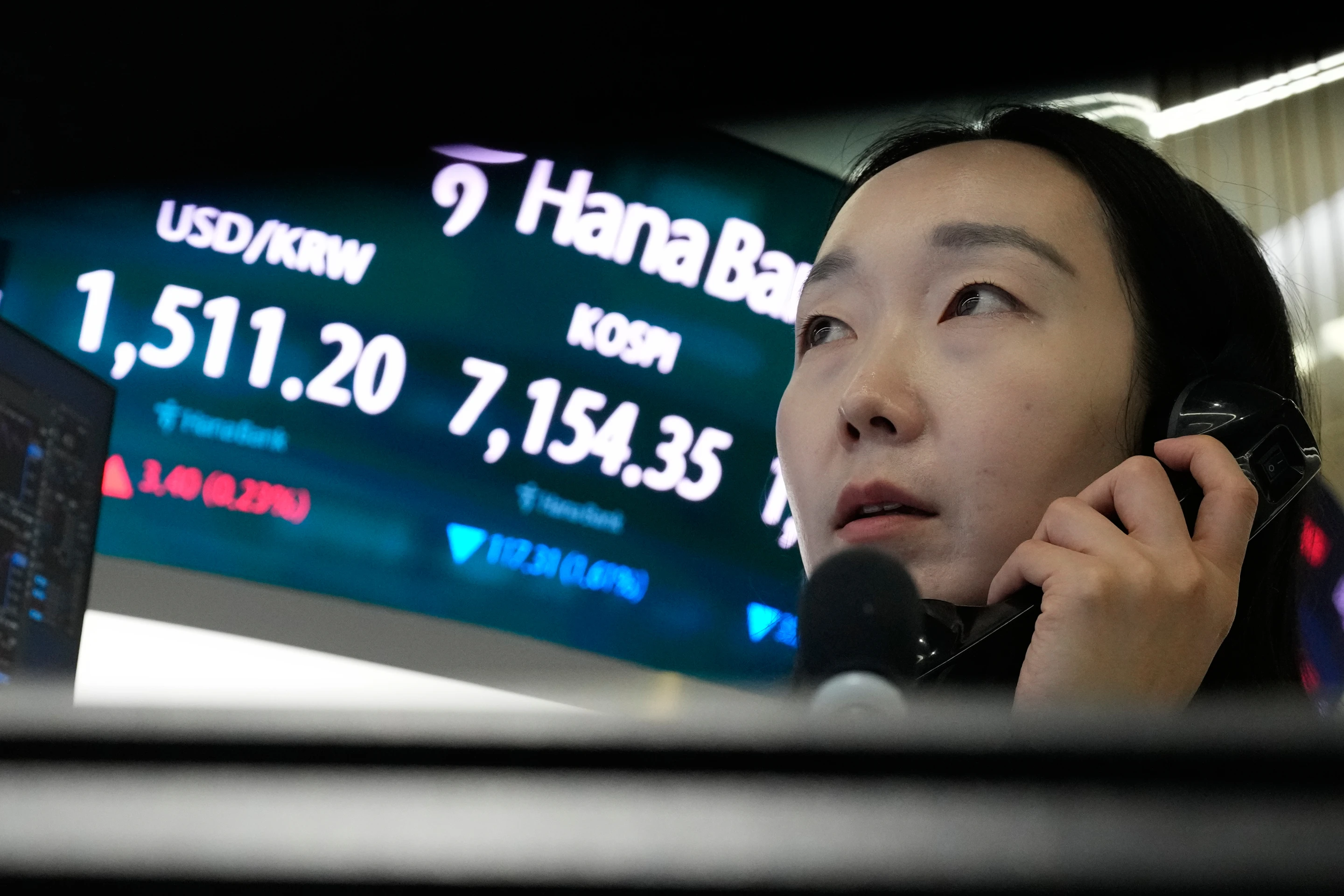
Oil prices swung wildly in Asian trading with Brent crude and the US benchmark crude moving in opposite directions as investors weighed up fears of supply disruptions against hopes that diplomatic talks between Washington and Tehran could still ease tensions and prevent a wider conflict. Analysts said market sentiment was still fragile on concerns over the future of ceasefire talks, the speed of diplomatic efforts and the likelihood of reprisal attacks that might further affect global oil infrastructure and sea-lanes. Asian equity markets were also nervous, with several major indexes sliding on concerns about rising oil costs and inflationary pressures, while others found support from predictions that diplomatic efforts may finally stabilize conditions and limit long-term economic damage. Japan's Nikkei index and Australia's ASX market fell on fears about energy imports and dwindling investor confidence, but South Korea's Kospi rose as technology and industrial companies helped overcome regional nervousness. Markets in China and Hong Kong were similarly mixed as investors digested oil price moves, currency moves and geopolitical concerns.
Market strategists said traders are closely monitoring the interplay of military operations and diplomatic conversations, with each comment from US, Iranian and regional officials shifting commodity prices and investor mood across international markets. The increasing hostilities have also hit currency trading, bond markets and commodity investments as investors look for safer assets in times of global upheaval. Economists warned the Middle East turmoil could add to inflationary pressures in the world, including on shipping costs, fuel prices and supply chains, which could make for more difficult decisions for central banks already grappling with economic uncertainty and uneven global growth conditions. Even if a diplomatic breakthrough is eventually reached, security concerns, infrastructure risks and insurance costs affecting global maritime transport could take considerable time to restore stable oil flows and rebuild confidence in shipping routes through the Strait of Hormuz, energy analysts said. Strikes illustrate the precarious state of ongoing negotiations between the US, Iran and regional countries, political watchers said, as attempts continue to balance military deterrence and diplomatic engagement to prevent a wider regional confrontation.
Developments in the Middle East are being closely watched by global investors given the region’s vital position in global energy markets and international trade networks. Governments and financial institutions are watching the situation closely for any signals of a further escalation, of retribution or of progress in peace talks which might set the tone for markets in the coming weeks. The latest military developments and market jitters only reinforce the long-standing link between geopolitics and the global economy, as energy security, diplomatic ambiguity and investor confidence remain at the forefront of concerns for companies, policymakers and financial markets around the world. .

More News To Explore
Asian Shares Follow Wall Street Lower as Bond Markets Intensify Global Pressure