POLITICS
Election results delivered a mix of victories, surprises, and setbacks as Platner emerged as a standout winner, veteran political figure Jim Clyburn maintained his influence, and endorsements from Donald Trump produced uneven outcomes across key races.
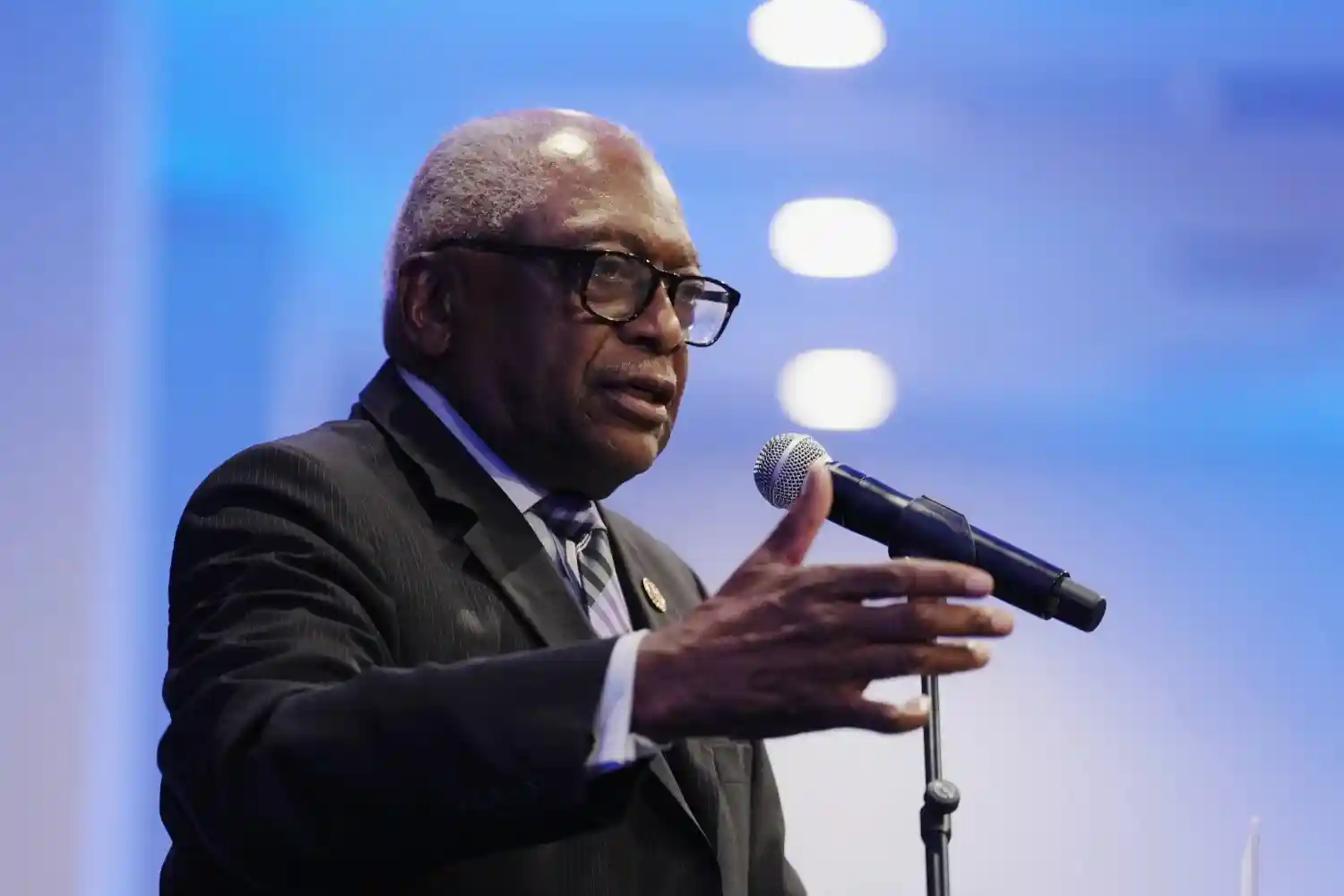
Tuesday’s Takeaways: Platner’s Big Night, Clyburn Carries On, and Trump’s Support Gets Mixed Results
Tuesday’s election contests offered a revealing snapshot of the current political landscape, highlighting the growing influence of emerging candidates, the staying power of veteran political leaders, and the increasingly unpredictable impact of endorsements from former President Donald Trump. Among the night’s most notable developments was the strong performance by Platner, whose victory marked one of the biggest stories of the evening and signaled growing momentum within his political base. Political observers viewed the result as evidence that candidates with focused campaign strategies, strong local outreach, and clear messaging can still break through in an increasingly crowded and polarized political environment. Platner’s success was driven by a combination of grassroots organizing, voter engagement efforts, and an ability to connect with key constituencies that proved decisive on election day. Supporters celebrated the outcome as a validation of months of campaign work, while opponents acknowledged that the victory positioned him as a significant figure to watch in future contests. The election also underscored the continued relevance of veteran Democratic leader Jim Clyburn, whose influence within party politics remains substantial despite shifting demographics and changing political dynamics. Clyburn has long been recognized as a major force in Democratic politics, particularly in the South, where his endorsements and political guidance continue to carry weight among voters and party officials alike. Tuesday’s results reinforced the idea that experience, established relationships, and a deep understanding of local political networks remain valuable assets in modern campaigns.
Candidates aligned with Clyburn’s political vision benefited from his support, demonstrating that long-standing political figures can still shape outcomes even as newer voices emerge across the political spectrum. The evening also provided fresh insight into the effectiveness of Donald Trump’s endorsements, which delivered a mixed record across multiple races. While some Trump-backed candidates secured victories and advanced their political prospects, others failed to translate the former president’s support into electoral success. The results highlighted an important reality facing both parties as they prepare for future elections: endorsements alone do not guarantee victory. In some races, Trump’s backing energized conservative voters and boosted turnout among his supporters, helping candidates secure crucial margins. In other contests, local issues, candidate quality, campaign organization, and demographic factors appeared to outweigh the influence of national political figures. Analysts noted that Trump remains one of the most influential individuals in Republican politics, but Tuesday’s outcomes suggested that voters continue to evaluate candidates based on a combination of factors rather than relying solely on endorsements. Across the country, election results reflected broader themes shaping the political environment ahead of upcoming statewide and national contests.
Voters demonstrated interest in candidates who focused on practical concerns such as economic conditions, public safety, healthcare, education, and local development. Campaigns that effectively addressed these priorities often performed better than those centered primarily on national political debates. The results also revealed continuing divisions within both major parties as different factions competed for influence and attempted to define the future direction of their respective political movements. For Democrats, the ongoing role of experienced leaders like Clyburn highlighted the balance between continuity and change, while Republicans continued to navigate the relationship between traditional party structures and the enduring influence of Trump. Turnout patterns varied across regions, reflecting differences in voter enthusiasm, campaign investment, and local political conditions. In several key races, narrow margins emphasized the importance of grassroots organizing and voter mobilization efforts. Political strategists from both parties closely monitored these trends for clues about future elections, recognizing that local contests often provide valuable insights into broader national dynamics. The night’s outcomes also served as a reminder that political momentum can shift quickly, with unexpected victories and disappointing defeats reshaping expectations for upcoming campaigns.
Candidates who exceeded expectations gained new visibility and fundraising opportunities, while those who underperformed faced questions about strategy and voter appeal. Looking ahead, Tuesday’s results are likely to influence campaign decisions, messaging strategies, and endorsement calculations as political leaders prepare for the next phase of electoral competition. Platner’s success demonstrated the potential for emerging candidates to build winning coalitions, Clyburn’s continued influence highlighted the enduring value of political experience and trusted leadership, and Trump’s mixed endorsement record reinforced the complexity of modern voter behavior. Together, these developments painted a picture of an electorate that remains highly engaged, increasingly independent in its decision-making, and willing to reward candidates who effectively connect with local concerns while navigating the broader national political environment. As campaigns begin analyzing the lessons from Tuesday’s contests, one conclusion stands out clearly: no single factor determines electoral success, and candidates must combine organization, messaging, credibility, and voter outreach to build winning campaigns in an increasingly competitive political landscape..

More News To Explore
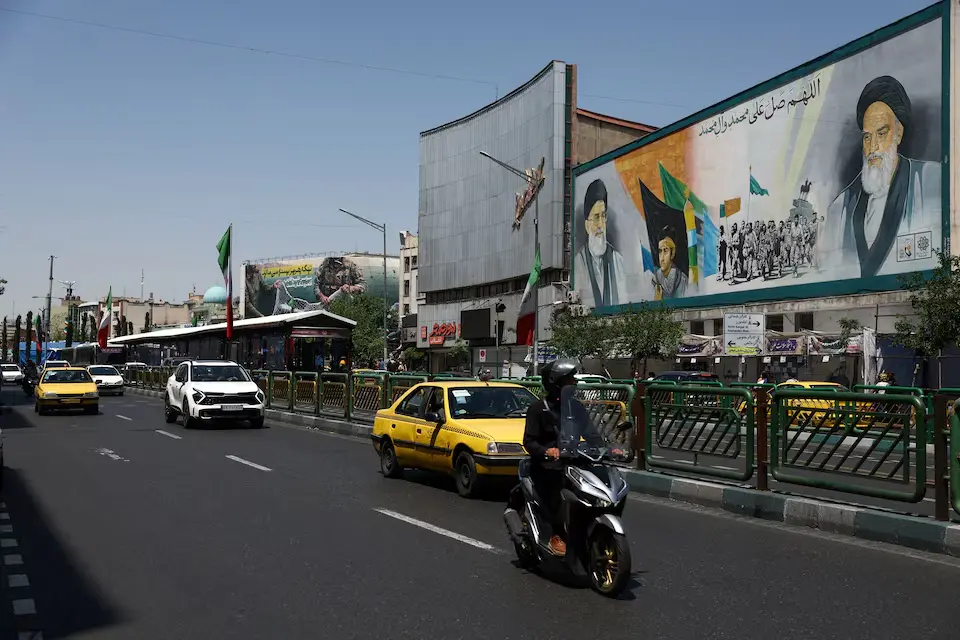
Donald Trump Meets Xi Jinping in High-Stakes Beijing Summit Amid Iran War