U.S. NEWS
The U.S. Supreme Court has lifted lower court injunctions blocking border barrier construction in Texas’s Big Bend area, allowing federal contractors to resume work amid ongoing legal and environmental debates.
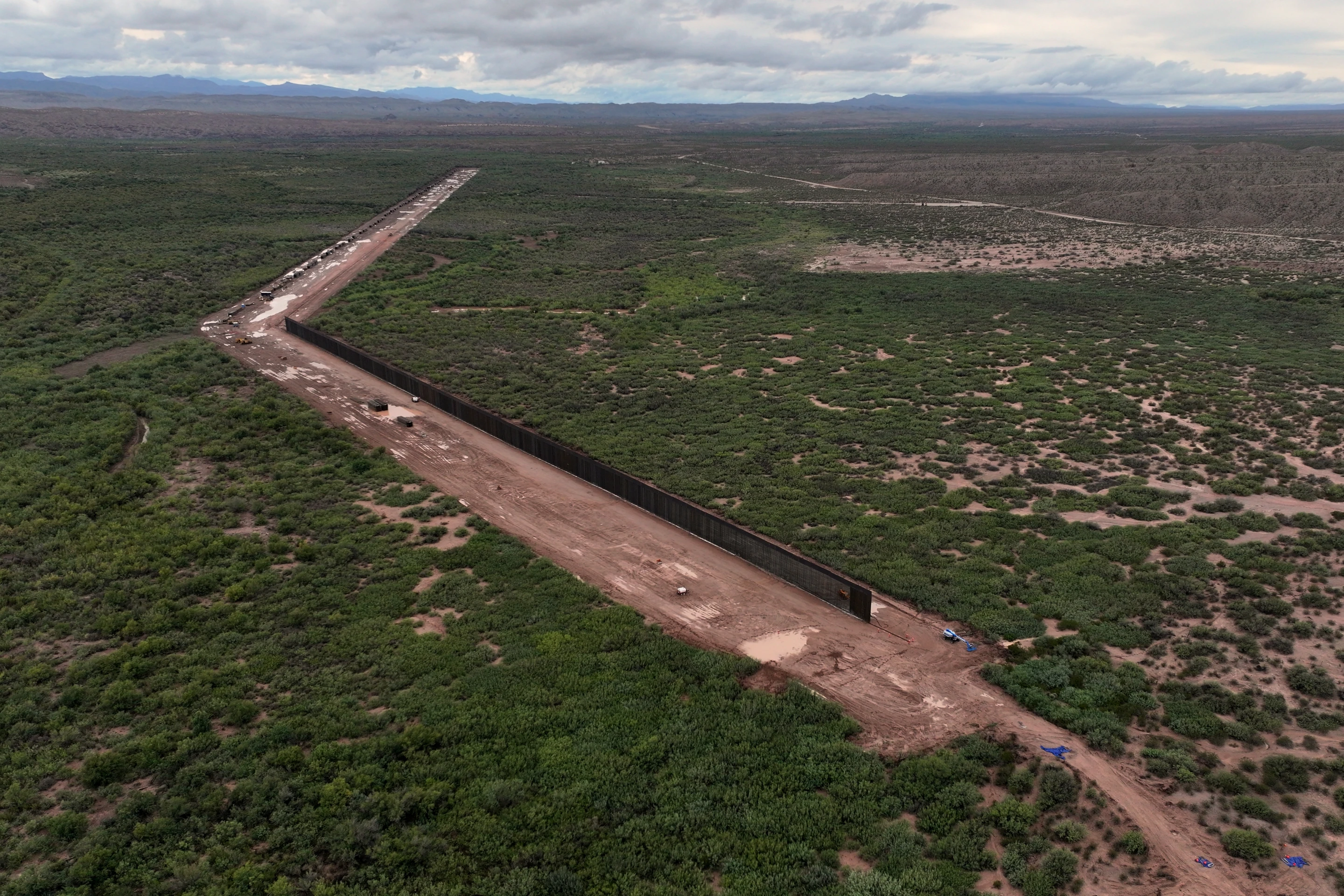
Supreme Court Greenlights Resumption of Border Wall Construction in Texas’s Rugged Big Bend Region
The United States Supreme Court has cleared the way for federal authorities to resume construction of border wall barriers across stretches of Texas’s Big Bend region, lifting previous lower-court injunctions that had halted the controversial infrastructure project over environmental and statutory concerns. The high court’s order allows work to move forward while underlying legal challenges brought by conservation groups, local landowners, and border communities continue to wind their way through federal appellate courts. The decision marks a significant victory for proponents of expanded physical border security, who have long argued that rugged and remote sectors along the Rio Grande require reinforced infrastructure to deter unauthorized crossings and illicit smuggling operations. Federal officials had petitioned the court to intervene after lower courts agreed with plaintiffs that the government had exceeded its authority by waiving dozens of federal environmental, cultural preservation, and land-use laws to expedite the construction timeline. In the Big Bend area, known for its dramatic canyons, desert ecosystems, and vast stretches of isolated terrain, the proposed barrier segments have sparked particularly intense debate among residents, lawmakers, and environmental scientists.
Opponents of the construction warn that installing steel bollards, high-intensity lighting, and wide enforcement roads through sensitive habitats could permanently disrupt wildlife migration corridors, accelerate soil erosion along the riverbanks, and damage fragile desert landscapes that support rare plant and animal species. Local officials and tourism operators in communities near Big Bend National Park have also expressed concern that heavy construction activity and permanent barriers could alter the region’s natural character, which draws hundreds of thousands of visitors each year and serves as a cornerstone of the local economy. Ranchers and private property owners along the border have similarly voiced frustration over land seizures, eminent domain proceedings, and the potential for physical barriers to cut off access to the Rio Grande, a vital water source for livestock in the arid West Texas climate. Supporters of the Supreme Court’s action, including Texas state leaders and border enforcement advocates, welcomed the ruling as a necessary step toward strengthening national security and supporting law enforcement personnel operating in some of the nation’s most challenging terrain. They contend that while the Big Bend sector historically sees lower crossing numbers compared to more urbanized areas like the Rio Grande Valley or El Paso, its remoteness makes it a target for transnational criminal networks seeking to evade detection by Border Patrol agents.
State and federal proponents emphasize that combining physical barriers with modern surveillance technology and all-weather patrol roads allows agents to respond more rapidly to security threats across hundreds of miles of otherwise inaccessible borderland. Legal analysts note that the Supreme Court’s intervention on an emergency basis reflects a broader pattern in which the justices have shown reluctance to allow lower courts to freeze major executive branch border initiatives while litigation remains pending. By staying the injunctions, the court effectively permits contractors to resume grading land, pouring concrete foundations, and erecting steel panels immediately, even though a final ruling on the merits of the lawsuits could take months or years to reach resolution. Environmental advocates acknowledged that once physical construction is completed in remote desert ecosystems, the ecological alterations are difficult if not impossible to reverse, regardless of how appellate courts ultimately rule on the legality of the funding and statutory waivers used to advance the project. In response to the order, coalition groups representing conservation organizations and borderland residents vowed to continue their legal fight in the federal courts while calling on Congress to review the broad waiver authorities granted to the Department of Homeland Security under existing border security statutes.
Meanwhile, federal agencies overseeing the project indicated that engineering teams and contractors would begin mobilizing equipment and personnel to designated project sites in West Texas in accordance with the court’s order. As preparations to restart construction get underway, the ruling underscores the enduring legal, political, and environmental tensions surrounding border management in the United States, placing Texas’s Big Bend region at the center of the national debate over how to balance border security imperatives with the preservation of natural landscapes and local community interests..






More News To Explore
9 Missing After Washington Paper Mill Tank Rupture as Officials Say There’s No Hope of Survivors