BUSINESS
Jensen Huang has resigned as Nvidia CEO following reports of alleged extramarital affairs and questions surrounding his connections to a suspected Chinese spy. CFO Colette Kress has been appointed interim chief executive as the chipmaker faces leadership uncertainty, investigations and growing scrutiny over national security.
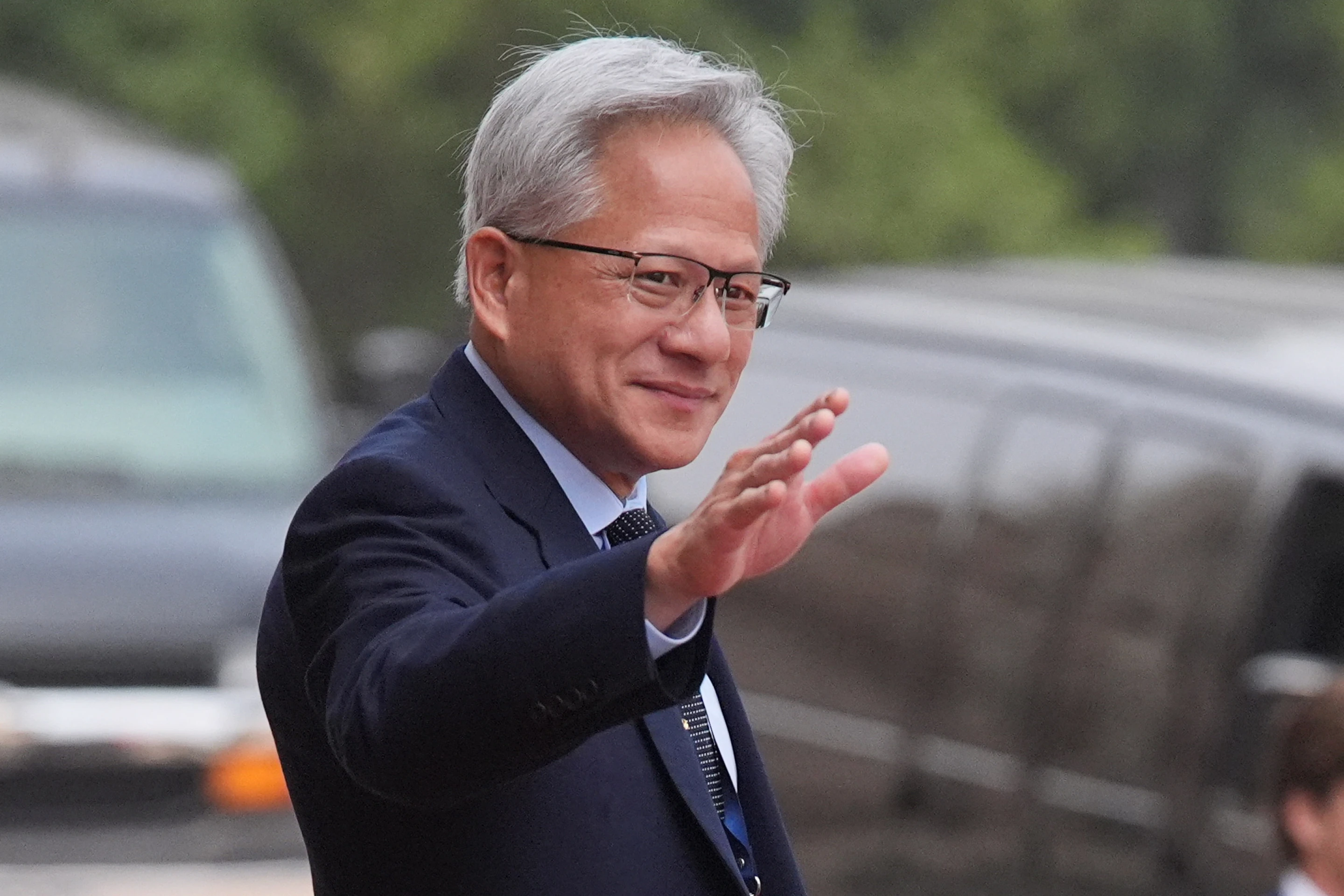
Jensen Huang Resigns as Nvidia CEO Amid Scandals, Raising Questions About the Company's Future
Jensen Huang has resigned as chief executive of Nvidia, bringing an unexpected end to his more than three-decade leadership of one of the world's most influential technology companies. His departure follows weeks of mounting controversy involving reports of alleged extramarital relationships and questions about his connections to a Chinese businesswoman suspected by U.S. officials of espionage. The resignation creates significant uncertainty for Nvidia, the semiconductor giant whose processors have become essential to the global artificial intelligence industry. Under Huang's leadership, Nvidia transformed from a relatively little-known graphics chip manufacturer into a multitrillion-dollar technology powerhouse, competing with companies such as Apple and Microsoft among the largest publicly traded businesses in the United States. His exit has raised immediate questions about corporate leadership, investor confidence, national security investigations and the future direction of the AI industry. Nvidia shares initially fell approximately 14% at Thursday's opening bell following news of Huang's resignation before recovering some of their losses. The stock eventually closed down around 4% as investors assessed the potential consequences of the leadership change, including possible lawsuits, regulatory investigations and internal corporate restructuring. The market reaction also reflected broader concerns about the sustainability of an artificial intelligence boom increasingly supported by a relatively small number of major technology companies. Asa Hiken, senior analyst at research firm eMarketer, said Huang's departure introduced uncertainty extending beyond Nvidia itself, reflecting concerns about the company's future and the possibility of wider disruption in the AI market. Nvidia appointed Colette Kress, its executive vice president and chief financial officer, as interim chief executive. Kress has served as the company's CFO since 2013, overseeing its global financial operations. Before joining Nvidia, she spent three years at Cisco and approximately 13 years at Microsoft. In a statement following the announcement, Kress emphasized that Nvidia's strength came from its employees and said she was committed to building on the foundation Huang had established during his 33 years at the company. Nvidia acknowledged that it had not prepared a formal succession plan for Huang's potential departure. The board said it would consider both internal and external candidates when selecting a permanent chief executive. Huang had become closely associated with Nvidia's identity and success, much like Steve Jobs was associated with Apple. His departure therefore represents more than a routine executive transition for a company whose growth and public image were strongly connected to its founder. The board also announced the appointment of Harvey C. Jones, an entrepreneur and venture investor, as Nvidia's first-ever chairman. The leadership changes come after a series of reports brought increasing attention to Huang's personal relationships and potential national security implications. At 63, Huang is among the world's wealthiest individuals, with Forbes estimating his personal fortune at more than $150 billion.
He is also Nvidia's largest individual shareholder. Controversy intensified following a report by The New York Times concerning Huang's relationship with a woman whom U.S. officials reportedly believed was a Chinese spy. According to the newspaper, investigators had concluded that the woman had been recruited to influence Nvidia, particularly regarding the availability of its most advanced artificial intelligence chips in China. The allegations raised concerns within U.S. national security circles and reportedly attracted attention at the White House. President Donald Trump said Monday that the FBI was investigating the matter. Despite the controversy, Trump continued to praise Huang on Thursday, saying he had done a fantastic job. Huang has maintained close ties with the Trump administration, having met the president at the White House and aboard Air Force One. Trump also awarded him a National Medal of Science. Nvidia's board announced an investigation into the allegations on Sunday, initially expressing confidence in Huang's leadership. However, pressure intensified late Wednesday when additional reports emerged concerning another alleged relationship involving an Nvidia employee who reportedly worked under Huang. Reuters subsequently reported on Thursday, citing unidentified sources, that Huang had an intimate relationship with a second employee. Nvidia said it had no reason to believe that national security or company secrets had been compromised. Nevertheless, the company indicated that its investigation would examine all available information surrounding the allegations. The controversy has also attracted attention from U.S. lawmakers, who continue to seek answers about Huang's interactions with the Chinese businesswoman and Nvidia's internal security procedures. Democratic Senate leader Chuck Schumer called for congressional scrutiny, arguing that lawmakers needed explanations from Huang and other Nvidia executives about whether their actions had potentially placed U.S. national security at risk. Brian Mast, chairman of the House Foreign Affairs Committee, said the committee had been communicating with Huang's representatives as recently as Wednesday evening. The committee initially requested an interview with Huang on November 5. Mast indicated that a subpoena could be issued to compel his appearance if necessary.
At the center of the controversy is Alice Huang, a former executive at Singapore-based Megaspeed International. She is the woman identified in reports as the suspected Chinese spy. Jensen Huang acknowledged having an affair but did not identify the woman involved. Despite sharing the same surname, the two individuals are not related. Megaspeed had previously faced allegations that it was involved in the unauthorized shipment of advanced Nvidia computer chips to China. The company rejected those allegations in December, stating that there was no evidence of such exports. Singaporean authorities confirmed Thursday that they had questioned Alice Huang and confiscated her passport last year as part of an investigation into Megaspeed. Investigators concluded that there was insufficient evidence to establish that she had committed a criminal offense. However, authorities suspected that she had provided inaccurate information intended to minimize her role at the company and subsequently barred her from returning to Singapore. Singapore's authorities also expressed frustration over the limited assistance they had received from U.S. agencies. They said that since September 2025, they had sought cooperation from the U.S. Department of Justice and the FBI as part of their investigation but had received only limited support. China, meanwhile, has rejected suggestions that it attempted to compromise or entrap Huang. The controversy is particularly significant because Nvidia has become a central supplier of the advanced processors powering artificial intelligence development worldwide. Huang has previously lobbied U.S. policymakers to ease restrictions on the company's chip exports to China. In January, he secured Trump's approval for Nvidia to sell its H200 processors to the Chinese market. Megaspeed has also responded to the growing scrutiny by emphasizing its cooperation with American authorities. The company said it had worked with the U.S. Commerce Department's Bureau of Industry and Security, the agency responsible for enforcing national security-related technology export restrictions. It added that it was prepared to cooperate fully with other relevant U.S.
government agencies. Megaspeed also announced that it had retained a U.S. law firm to conduct a comprehensive review of its computer chip inventory and verify compliance with export controls. The company said it welcomed appropriate government scrutiny and intended to demonstrate that its operations were responsible, transparent and consistent with applicable U.S. laws. Beyond the espionage allegations, questions have also emerged about Megaspeed's rapid financial expansion. Singapore corporate records indicate that the company's total assets increased approximately 90-fold between late 2023 and 2024, reaching nearly $3 billion. Its reported revenue also rose from zero in 2023 to more than $294 million in 2024. Meanwhile, Huang's future plans remain uncertain. Elon Musk offered a possible indication of interest in his next move, writing on X that it would be an honor to hire the former Nvidia chief executive. Huang's departure also marks a significant moment for the artificial intelligence industry, particularly as governments and technology companies face growing questions about the risks, security implications and economic consequences of advanced AI systems. Throughout Nvidia's rise, Huang was among the technology industry's most prominent advocates for artificial intelligence, frequently highlighting its potential to transform industries and reshape the global economy. His journey to the top of the corporate world began with a relatively modest idea. In 1993, Huang and two fellow engineers met at a Denny's restaurant in San Jose, California, where they discussed developing a computer chip capable of making video game graphics faster and more realistic. That conversation eventually led to the creation of Nvidia. More than three decades later, the company had become one of the most valuable businesses in the world, with its technology powering the infrastructure behind the AI revolution. Now, without the executive who helped build it, Nvidia faces the challenge of maintaining its technological leadership, reassuring investors and navigating an increasingly complicated political and regulatory environment. The appointment of Kress as interim CEO provides temporary leadership, but the search for a permanent successor will be closely watched by investors, competitors and governments. The company's upcoming earnings report, scheduled for Tuesday, will provide another important test of market confidence as Nvidia begins a new chapter without its longtime leader..




More News To Explore
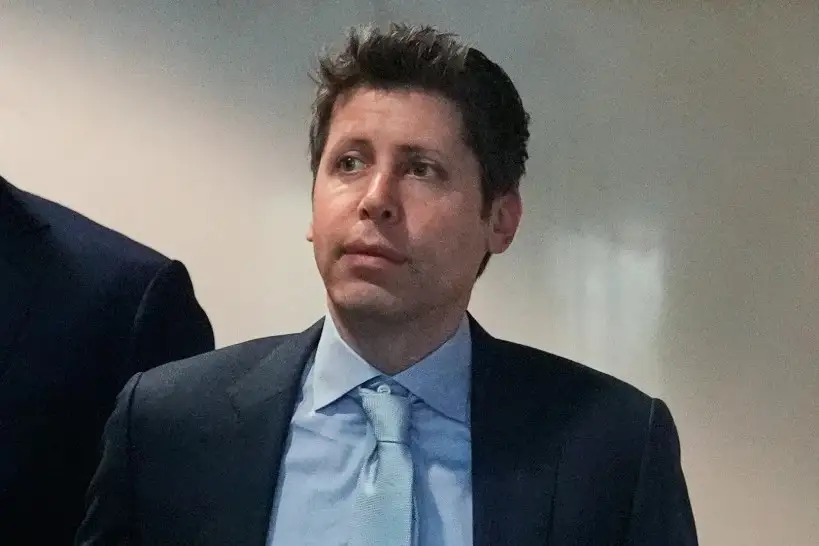
Florida Sues OpenAI and CEO Sam Altman Over Alleged Concealment of ChatGPT Risks