WORLD
Russia and Ukraine have agreed in principle to a major prisoner-of-war exchange following two days of U.S.-mediated negotiations in Abu Dhabi. However, disagreements over occupied territory, security guarantees and Europe's role continue to complicate efforts to end the war.
Russia and Ukraine Agree to Major Prisoner Exchange as Peace Talks End Without Breakthrough
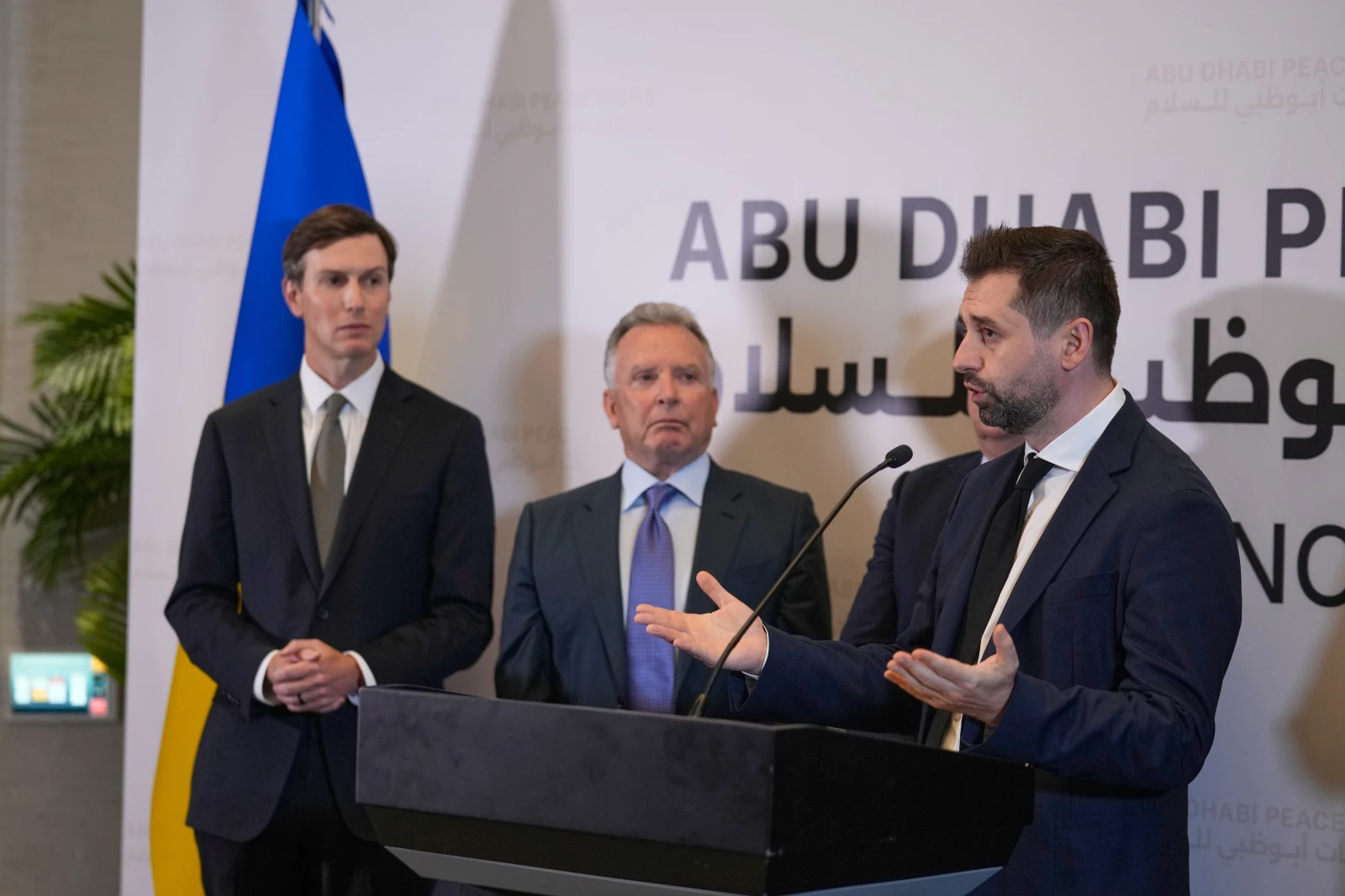
Russia and Ukraine have agreed in principle to carry out a major prisoner-of-war exchange following two days of U.S.-mediated negotiations in Abu Dhabi, United Arab Emirates. The agreement emerged Wednesday as diplomatic discussions concluded without a significant breakthrough toward ending Moscow's nearly five-year full-scale invasion of Ukraine. Although the proposed exchange represents a humanitarian development, the two countries remain deeply divided over the conditions required for a lasting peace settlement. The negotiations marked the first meeting between the Russian and Ukrainian delegations in nine months. Expectations for substantial progress had remained limited, particularly because Moscow and Kyiv continue to hold opposing positions on territorial control, security arrangements and the future structure of European security. U.S. officials have nevertheless emphasized their determination to revive diplomatic efforts and establish a framework for ending the conflict. Jared Kushner, U.S. President Donald Trump's son-in-law, described the proposed prisoner exchange as one of the positive outcomes of the discussions. Speaking after the negotiations concluded, he said both sides had agreed to pursue what could become their largest humanitarian prisoner release, with the final numbers expected to be confirmed the following day. Vladimir Medinsky, who headed Russia's delegation, and Rustem Umerov, who led Ukraine's negotiating team, confirmed the development. Medinsky clarified that the agreement had been reached in principle. Alexander Zorin, a deputy chief of the Russian General Staff's information department who attended the negotiations, told Russian state television that the exchange could become one of the largest since approximately 1,000 soldiers from each side were returned home in a previous swap last year. He suggested that the latest exchange could take place within the next two or three weeks. The discussions lasted slightly less than two hours on Wednesday, following an approximately four-hour session on Tuesday. Kushner also announced that he and U.S.
envoy Steve Witkoff would travel to Moscow on Thursday to meet Russian President Vladimir Putin before continuing to Dublin, Ireland, for discussions with Ukrainian President Volodymyr Zelenskyy. Zelenskyy cautiously welcomed the proposed prisoner exchange, describing it as a positive humanitarian step. However, he reiterated that Ukraine would not agree to surrender territory occupied by Russian forces as part of a peace settlement. Russia, meanwhile, expressed a more optimistic assessment of the negotiations. Medinsky said the discussions had helped bring Moscow and Kyiv closer to peace, while Kremlin foreign affairs adviser Yuri Ushakov characterized the meetings as substantive and useful. One of the most complicated issues remains the participation of European countries in the negotiations. Ukraine has called for European governments, the European Union and NATO to have a meaningful role in discussions concerning the continent's future security arrangements. Umerov said Kyiv's delegation was expected to meet representatives of European governments and international institutions in Abu Dhabi after the three-way negotiations concluded. These representatives had traveled to the United Arab Emirates but were not directly involved in the discussions between Russia, Ukraine and the United States. Moscow has opposed the direct involvement of European countries, many of which have supported Ukraine financially and militarily since the invasion began. Nevertheless, Kushner indicated that one objective of the upcoming meeting with Putin would be to explore ways of including European representatives in the broader diplomatic process. Speaking in Dublin, Zelenskyy welcomed the presence of European security advisers and senior officials in Abu Dhabi, even though they had not participated in the direct negotiations. He suggested that Washington appeared increasingly receptive to the possibility of a European role in future discussions. Zelenskyy argued that ending the war without European participation would be both unjust and impossible, emphasizing that the conflict has major consequences for the continent's security. Kremlin spokesperson Dmitry Peskov said European representatives could eventually participate in peace negotiations. However, he questioned whether their current positions demonstrated a genuine willingness to contribute to diplomatic progress.
Moscow has repeatedly criticized European governments for providing military equipment and financial assistance to Ukraine. Security guarantees remain another major obstacle to an agreement. Ukraine wants assurances that Russia will not launch another invasion following a ceasefire or peace settlement. European officials have argued that discussions about the continent's future security arrangements should begin only after hostilities have stopped. Meanwhile, Russia has repeatedly described NATO's eastward expansion as a major security concern and demanded changes to the alliance's military presence near its borders. Kushner said both Russia and Ukraine needed greater clarity about the security arrangements that would follow the conflict. He added that European countries, the European Union and NATO would need to participate in discussions to establish a broader consensus on future steps. According to Kushner, Russia's security concerns were also raised during the Abu Dhabi negotiations. He said Moscow had been informed that it needed to present alternative de-escalation proposals that could be acceptable to European governments. Acknowledging the deep divisions between the two countries, Kushner said there was currently little trust between the negotiating sides, which was understandable given the scale and duration of the conflict. In a subsequent post on X, however, he described the proposed prisoner exchange as an opportunity to reunite families, build confidence and generate momentum toward peace. The diplomatic discussions are taking place against a changing political and military background. Since the previous February meeting in Geneva, the Trump administration has faced a different political environment following the U.S. midterm elections, with Democrats set to take control of Congress in January. The change could create additional pressure on Washington to maintain or increase its support for Ukraine. Russia's wartime economy is also experiencing considerable strain, while Ukraine continues to face the consequences of devastating Russian attacks on its electricity infrastructure.
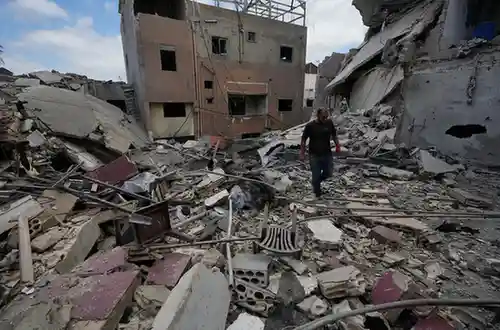
Despite diplomatic efforts, fighting has continued along the front lines, with relatively little territorial change reported during the year. Both countries have intensified the use of long-range missiles and drones against military and infrastructure targets. Russian attacks have also caused civilian casualties in Ukraine. Ukrainian regional authorities reported that three people were killed and 11 others injured after Russian forces launched a daytime attack on a market in the southern Odesa region. Residential buildings were also damaged, according to Oleh Kiper, head of the regional military administration. Overnight attacks targeted the Zaporizhzhia region in southern Ukraine and the eastern city of Kharkiv, leaving seven civilians wounded and causing additional property damage, Ukrainian officials said. Russia's Defense Ministry, meanwhile, claimed that its air defenses had intercepted 627 Ukrainian drones overnight, including 150 over the region surrounding St. Petersburg. Alexander Drozdenko, governor of the Leningrad region, said the drone attacks caused a fire at the port of Ust-Luga, a major Russian oil export facility. Three workers were reportedly injured in the incident. The proposed prisoner exchange offers a rare humanitarian development amid continued fighting and stalled negotiations. However, disagreements over occupied Ukrainian territory, postwar security guarantees, NATO's role and European participation remain unresolved. While the United States is attempting to build diplomatic momentum through further meetings with Putin and Zelenskyy, the outcome of those discussions will determine whether the prisoner agreement can become a starting point for broader negotiations or remain a limited humanitarian achievement in a conflict that continues to resist a political settlement..



More News To Explore
Trump Says Pilots Safe After U.S. Apache Helicopter Crashes Near Strait of Hormuz